
The U.S. State Department has issued a Worldwide Caution alert, advising American citizens everywhere – at home and especially abroad – to exercise increased vigilance. Officials are also warning that additional travel restrictions could be introduced in the coming days or weeks, depending on how global conditions develop.
Worldwide Caution alerts are issued when heightened global tensions or an active conflict could raise risks for Americans in multiple regions at once, rather than in a single country. They are not a prediction that something bad will happen to any individual traveler – they are a broad advisory to stay aware and plan ahead.
What this means for you
If you are currently overseas or have upcoming international travel, you may notice longer airport security lines, increased screening at border crossings, and a more visible security presence at major tourist sites, embassies, and transit hubs in some countries. Airlines and foreign governments may also adjust routes or entry requirements on short notice if the situation escalates, which could mean delays, cancellations, or sudden changes to visa rules.
The advisory applies to all Americans abroad, but it is most relevant to those in or near regions experiencing active conflict or elevated tensions. Travelers transiting through major international hubs should also allow extra time.
Practical steps to consider:
1. Enroll in the State Department’s Smart Traveler Enrollment Program (STEP) so the nearest U.S. embassy can reach you with updates and locate you in an emergency.
2. Check the country-specific Travel Advisory level for your destination before departure, and review your itinerary for flexible rebooking options in case restrictions change.
3. Keep digital and paper copies of your passport and key documents, know the location and contact information of the nearest U.S. embassy or consulate, and make sure someone at home has your itinerary.
This information is based on the U.S. State Department’s official Worldwide Caution bulletin and associated travel advisories.
Frequently Asked Questions
Does this mean I should cancel my international trip?
Not automatically. A Worldwide Caution is a general awareness advisory, not a do-not-travel order – check the specific Travel Advisory level for your destination country before deciding.
Could I get stuck abroad if new travel restrictions are announced?
Restrictions can change quickly during periods of heightened tension, which is why officials recommend flexible bookings and enrollment in STEP so embassies can alert you to sudden changes.
What should I do if I'm already overseas right now?
Stay aware of local news, avoid demonstrations and large gatherings, keep your documents accessible, and make sure you know how to contact the nearest U.S. embassy or consulate.
How will I know if the situation gets worse?
The State Department updates country-specific Travel Advisories and issues new alerts through STEP; enrolling ensures you receive those notices directly by email.
Keep tracking this:
Source: U.S. Department of State
Related Reading
Sky & Solar Conditions at the Time
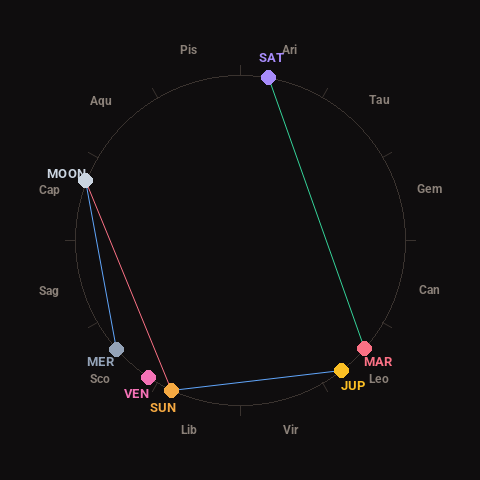
Moon: First Quarter (47% illuminated), in Capricorn.
Notable planetary angles: Mars trine Saturn (121°), Sun sextile Jupiter (62°), Moon sextile Mercury (62°), Sun square Moon (86°).
Concurrent space weather: planetary Kp index 2.3; strongest recent solar flare: nothing notable.
This is a factual snapshot, not a claim of cause and effect – researchers are divided on whether lunar, planetary or solar factors influence seismic or weather activity. It’s included so readers can track the pattern for themselves over time.