
A serious two-vehicle crash has forced the full closure of the A9 in both directions after both cars caught fire following the impact, with witnesses reporting a fireball at the scene. Emergency services are on site dealing with the burning vehicles and treating those involved.
The A9 is one of Scotland’s most important trunk roads, linking the central belt with the Highlands, so a full closure in both directions is significant. Drivers already in the area should expect long delays, tailbacks, and possible diversions onto smaller local roads that are not built for heavy traffic volumes. If you were planning to travel this route today, consider delaying your journey or checking live traffic updates before setting off.
Anyone affected includes through-traffic between Perth, Stirling, and Inverness, local residents near the closure points, and freight and bus services that rely on the A9 corridor. Recovery of burned-out vehicles and a police collision investigation typically take several hours, so the road may not reopen quickly even after the fires are extinguished.
What to do and what to watch for
First, if you are stuck in the queue, stay in your vehicle unless directed otherwise by police, keep your engine off when stationary for long periods, and make sure you have fuel, water, and warm clothing available. Second, watch for official diversion routes rather than relying solely on sat-nav apps, which can route large volumes of traffic onto unsuitable rural roads. Third, follow updates from Traffic Scotland and local police for the confirmed reopening time and any information about casualties, as early reports during fast-moving incidents often change.
Fires after a crash do not automatically mean the vehicles were electric or carrying hazardous loads – petrol and diesel cars can burn fiercely after a severe impact. There is no indication at this stage of any wider hazard to nearby communities beyond the road closure itself.
This alert is based on live road-incident reporting from traffic and emergency services sources; for weather-related travel hazards, data is sourced from the Met Office and NOAA/NWS where applicable.
Frequently Asked Questions
Is the A9 open again?
No – the road is currently closed in both directions while emergency services deal with the vehicle fires and clear the scene. Full reopening typically takes several hours after a serious incident like this, so check Traffic Scotland before travelling.
Should I abandon my journey to the Highlands today?
If your trip depends on the affected stretch of the A9, delaying departure is the safest option until a diversion or reopening time is confirmed. Diversions onto smaller roads will be slow and congested.
Were people injured in the crash?
Emergency services are on scene treating those involved, but confirmed casualty details have not yet been released. Early reports in fast-moving incidents are often updated, so rely on official police statements.
Is there any danger to people living nearby?
The hazard is confined to the crash site itself; vehicle fires are dangerous up close but pose no wider risk to surrounding communities. The main impact for locals is traffic being diverted through nearby roads.
Keep tracking this:
Source: The Mirror
Related Reading
Sky & Solar Conditions at the Time
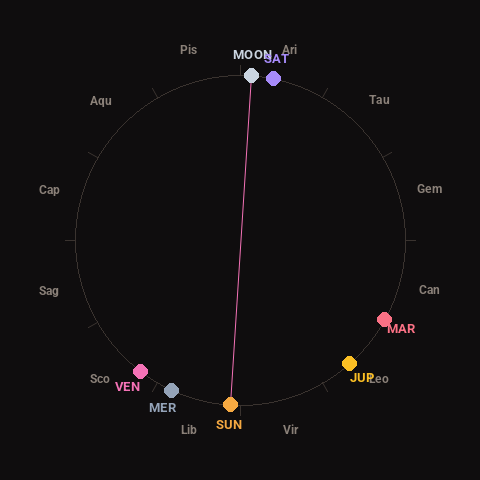
Moon: Full Moon (100% illuminated), in Aries.
Notable planetary angles: Sun opposite Moon (179°).
Concurrent space weather: planetary Kp index 1.0; strongest recent solar flare: nothing notable.
This is a factual snapshot, not a claim of cause and effect – researchers are divided on whether lunar, planetary or solar factors influence seismic or weather activity. It’s included so readers can track the pattern for themselves over time.