
Tropical Cyclone POLO-26 formed in the eastern Pacific and is active from September 21 through September 27, 2026, according to GDACS, the EU’s Global Disaster Alert and Coordination System, which has classified the event as Orange – its mid-level alert. At its strongest, the storm reached estimated maximum sustained winds of 287 km/h (about 178 mph), well above the 74 mph threshold that defines a hurricane.
The system is tracking in the East Pacific basin off Mexico, which carries a Medium vulnerability rating for this event. GDACS estimates roughly 237,000 people live in areas that could experience winds of at least 120 km/h (Category 1 strength) or higher. The exact area of greatest impact will depend on how close the center of circulation comes to the coast.
What people in the region may notice
Even if the storm’s core stays offshore, coastal communities can expect dangerous surf, rip currents, and high waves. Areas closer to the storm’s path may see damaging winds, torrential rain, flash flooding, and mudslides – especially in mountainous terrain where heavy rain funnels into valleys and steep slopes. Power outages, blocked roads, and interrupted port and airport operations are possible in affected zones.
Practical steps to consider
Residents and travelers along Mexico’s Pacific coast should monitor official bulletins from Mexico’s National Meteorological Service (SMN) and civil protection authorities, and follow any evacuation or shelter instructions promptly. It is sensible to have several days of drinking water, non-perishable food, flashlights, and charged phones or battery banks on hand, since outages can outlast the storm itself. Avoid coastal areas, riverbanks, and low-lying roads during heavy rain – flash flooding is often the deadliest part of these storms. Mariners should stay in port until conditions clear.
This alert is based on data from GDACS and the Joint Research Centre of the European Commission, drawing on tropical cyclone tracking from international meteorological agencies including NOAA.
Frequently Asked Questions
How strong is POLO-26?
Peak winds were estimated at 287 km/h (about 178 mph), far above hurricane strength. Actual winds at landfall depend on the storm's track and any weakening before reaching the coast.
Which parts of Mexico are affected?
The alert covers Mexico's Pacific side, with an estimated 237,000 people in areas that could see winds of 120 km/h or stronger. Specific state and city-level warnings come from Mexico's SMN and civil protection authorities.
What should I do if I'm on the coast right now?
Follow local civil protection guidance, avoid beaches and low-lying roads, and secure water, food, and a way to charge your phone. If an evacuation order is issued, leave promptly rather than waiting for conditions to worsen.
How long will this storm last?
GDACS lists the event as active from September 21 to September 27, 2026. Rain, flooding, and dangerous surf can persist in some areas even after the strongest winds pass.
Keep tracking this:
Source: GDACS (EU Joint Research Centre)







Map centered on the epicenter (21.30, -113.90). Map data © OpenStreetMap contributors.
Sky & Solar Conditions at the Time
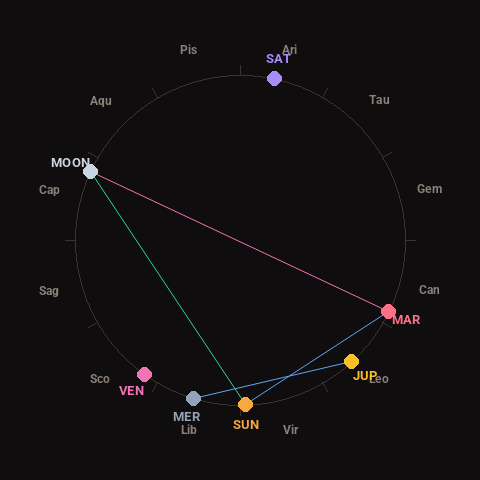
Moon: Waxing Gibbous (73% illuminated), in Capricorn.
Notable planetary angles: Moon opposite Mars (179°), Mercury sextile Jupiter (59°), Sun sextile Mars (62°), Sun trine Moon (117°).
Concurrent space weather: planetary Kp index 1.3; strongest recent solar flare: nothing notable.
This is a factual snapshot, not a claim of cause and effect – researchers are divided on whether lunar, planetary or solar factors influence seismic or weather activity. It’s included so readers can track the pattern for themselves over time.