
The National Weather Service office in Melbourne, Florida, issued a Flood Warning at 9:45 PM EDT on October 6, covering nine areas across three states: Lake and Volusia counties in Florida; Benton, Iowa, Louisa, Muscatine, Clinton, and Scott counties in Iowa; and Marshall County in Kansas.
A Flood Warning means flooding is happening now or is expected shortly — it is a step above a Flood Watch, which only means conditions are favorable. In central Florida, recent rounds of heavy rain have saturated the ground, and the St. Johns River basin through Volusia and Lake counties is prone to slow-rising water that can linger for days. In Iowa and Kansas, rivers and small streams swollen by upstream rainfall are the main concern, particularly low-lying farmland, river roads, and areas near the Cedar, Iowa, and Mississippi river corridors.
What you might notice: water covering roads (especially rural and low-water crossings), faster and higher rivers and creeks, ponding in yards and fields, and possible water in basements. Even six inches of moving water can knock a person down, and a foot can carry away a car.
If you live in one of the warned areas:
- Never drive or walk through floodwater — turn around and find another route. Most flood deaths happen in vehicles.
- Move valuables and electronics off basement or ground floors if flooding is possible near you, and keep phones charged overnight.
- Check on neighbors, especially anyone with limited mobility, and follow any local road-closure or evacuation notices from county officials.
Data for this alert comes from the National Weather Service (NOAA/NWS Melbourne, Florida).
Frequently Asked Questions
Is flooding happening right now, or is this just a possibility?
A Flood Warning means flooding is occurring or imminent in the listed areas, unlike a Flood Watch which only means conditions are favorable. Treat it as an active situation, especially near rivers, creeks, and low-lying roads.
What should I do right now if I'm in Lake, Volusia, or one of the other warned counties?
Stay off flooded roads — never drive through standing or moving water — and move to higher ground if water is rising near your home. Keep your phone charged and monitor local NWS updates and county emergency management alerts overnight.
How long will this flooding last?
It depends on the area: Florida's slow-draining St. Johns River system can stay elevated for days, while Iowa and Kansas river flooding typically follows the crest moving downstream. The warning remains in effect until the NWS cancels or expires it, so keep checking for updates.
Why does one warning cover counties in Florida, Iowa, and Kansas?
The NWS Melbourne office aggregated the active flood warning products into a single bulletin, even though the flooding in each state has its own local cause. Each county's warning reflects conditions on the ground there, so follow the guidance specific to your location.
Keep tracking this:
Source: National Weather Service (NWS)
Related Reading
- Emergency Communication: Staying Connected When Towers Go Down
- Earthquake Survival: Precautions, Kit & Early Warning in 2026
- Essential Guide to Preparing for a Nuclear War
Sky & Solar Conditions at the Time
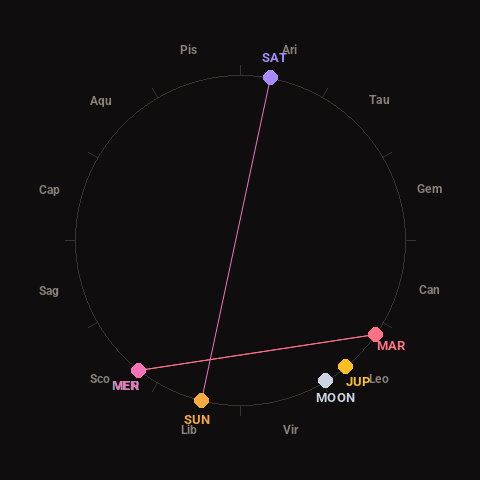
Moon: Waning Crescent (15% illuminated), in Leo.
Notable planetary angles: Mercury conjunct Venus (0°), Sun opposite Saturn (177°), Venus square Mars (93°), Mercury square Mars (93°).
Concurrent space weather: planetary Kp index 1.0; strongest recent solar flare: nothing notable.
This is a factual snapshot, not a claim of cause and effect – researchers are divided on whether lunar, planetary or solar factors influence seismic or weather activity. It’s included so readers can track the pattern for themselves over time.