
The U.S. State Department has issued a Worldwide Caution alert, urging Americans everywhere to exercise increased vigilance. The notice comes amid heightened tensions in the Middle East, including recent Houthi attacks on Saudi Arabia and the risk that instability could spread beyond the immediate conflict zone.
A Worldwide Caution is one of the broadest alerts the State Department issues. It doesn’t mean travel is banned or that every destination is dangerous — it means the overall risk environment has risen enough that Americans abroad, or planning trips, should pay closer attention to their surroundings. In practical terms, it often precedes or accompanies more specific country-level travel advisories.
What readers might notice
Most people at home will notice nothing different in daily life. Those who may feel the effects include: Americans living or traveling in the Middle East, travelers with upcoming flights through regional hubs such as Dubai, Doha, or Istanbul, and families of service members or contractors in the region. Airlines occasionally reroute or cancel flights over conflict-adjacent airspace, which can add travel time even on routes far from the region.
Who is affected: U.S. citizens abroad generally, with the greatest relevance for those in or transiting through the Middle East, and U.S. diplomatic facilities, which often operate under heightened security during these periods.
Sensible steps right now:
1. Enroll in STEP. The State Department’s Smart Traveler Enrollment Program is free and lets the nearest U.S. embassy contact you in an emergency — this is the single most useful action for anyone with international travel plans.
2. Check your destination’s advisory level. Before any international trip, review the current Travel Advisory for your destination and any layover countries, since conditions in the region can change quickly.
3. Build flexibility into travel plans. If you’re flying through the Middle East in the coming weeks, consider refundable tickets and keep an eye on your airline’s notifications for reroutes or schedule changes.
This alert is based on the Worldwide Caution issued by the U.S. Department of State.
Frequently Asked Questions
Should I cancel my trip to the Middle East?
That depends on your destination's specific Travel Advisory level, which ranges from Level 1 (normal precautions) to Level 4 (do not travel). A Worldwide Caution alone isn't a reason to cancel, but check the country-specific advisory before deciding.
Will my flight through Dubai or Doha be affected?
Not necessarily — major Gulf hubs continue operating during most regional tensions. However, airspace closures can cause reroutes or delays, so monitor your airline's notifications and consider flexible booking options.
What does a Worldwide Caution actually mean?
It's the State Department's broadest alert, signaling elevated global risk and urging Americans to be more vigilant. It is not a travel ban and doesn't mean every country is unsafe.
What should Americans already abroad do?
Enroll in the free STEP program so the nearest embassy can reach you, stay aware of local news, keep your travel documents accessible, and know the location of the nearest U.S. embassy or consulate.
Keep tracking this:
Source: U.S. Department of State
Related Reading
Sky & Solar Conditions at the Time
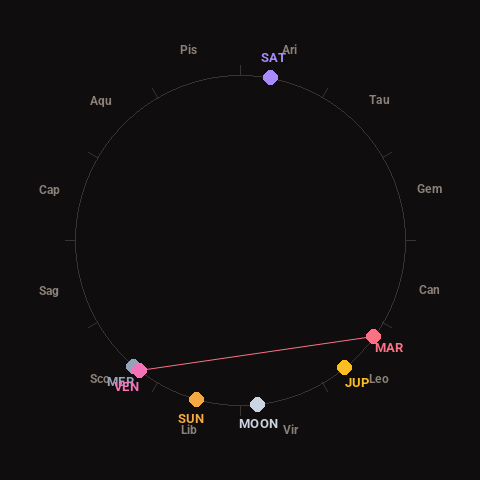
Moon: New Moon (3% illuminated), in Virgo.
Notable planetary angles: Venus square Mars (92°), Mercury conjunct Venus (3°).
Concurrent space weather: planetary Kp index 1.3; strongest recent solar flare: nothing notable.
This is a factual snapshot, not a claim of cause and effect – researchers are divided on whether lunar, planetary or solar factors influence seismic or weather activity. It’s included so readers can track the pattern for themselves over time.