
The National Weather Service office in Columbia, South Carolina has issued a Flood Warning covering 24 areas across multiple states, including Calhoun, Richland, and Lexington counties in South Carolina; Henderson and Transylvania counties in North Carolina; Citrus and Levy counties in Florida; Clinton and Scott counties in Iowa; and Washington County in Utah, among others. The warning was issued at 7:07 AM EDT on October 12 and remains in effect until 10:00 PM EDT on October 16.
A Flood Warning means flooding is already occurring or is imminent in the warned areas – this is a step above a Flood Watch, which only means conditions are favorable. Residents in these areas may notice water covering roads, rising creeks and rivers, water in low-lying yards or basements, and possible road closures. Rivers and streams in the warned counties are expected to run high for several days, which is why the warning extends through Thursday evening.
What You Should Do
If you live in or plan to travel through any of the affected counties, keep these points in mind:
1. Never drive through flooded roads. Just six inches of moving water can knock a person down, and a foot of water can float most vehicles. Turn around and find another route – most flood deaths happen in cars.
2. Stay clear of swollen rivers and streams. Banks can be unstable and water can rise faster than expected, especially after additional rain.
3. Have a way to receive alerts. Keep a charged phone or weather radio handy, and know where higher ground is if you live near a waterway or in a flood-prone area. Move valuables and important documents to upper floors if water has threatened your home before.
Because this warning spans parts of seven or more states, conditions will vary by county – some areas may see minor river flooding while others could face more significant impacts. Check on elderly neighbors or family members in low-lying areas, and avoid unnecessary travel through warned counties until waters recede.
This information comes from the National Weather Service (NOAA), with the warning issued by the NWS office in Columbia, South Carolina.
Frequently Asked Questions
Why does this warning last so long – until October 16?
Multi-day flood warnings typically reflect rivers and streams that are already elevated and expected to remain above flood stage for several days as water moves downstream. Water levels fall slowly, so flooding can persist even after the rain stops.
What should I do right now if I'm in one of the 24 affected areas?
Avoid driving on flooded roads, stay away from riverbanks and fast-moving water, and make sure your phone can receive emergency alerts. If water threatens your home, move to higher ground and follow any instructions from local officials.
Does this warning cover my county?
The warning covers 24 areas including counties in South Carolina, North Carolina, Florida, Iowa, and Utah, such as Richland, Lexington, Calhoun, Henderson, Transylvania, Citrus, Levy, Clinton, Scott, and Washington counties. Check the National Weather Service for the full list and your county's specific status.
Is it safe to drive if the water on the road looks shallow?
No – depth is hard to judge, the road underneath may be washed out, and as little as 12 inches of moving water can carry away a car. Turn around and take a different route.
Keep tracking this:
Source: National Weather Service (NWS)
Related Reading
- Emergency Communication: Staying Connected When Towers Go Down
- Earthquake Survival: Precautions, Kit & Early Warning in 2026
- Essential Guide to Preparing for a Nuclear War
Sky & Solar Conditions at the Time
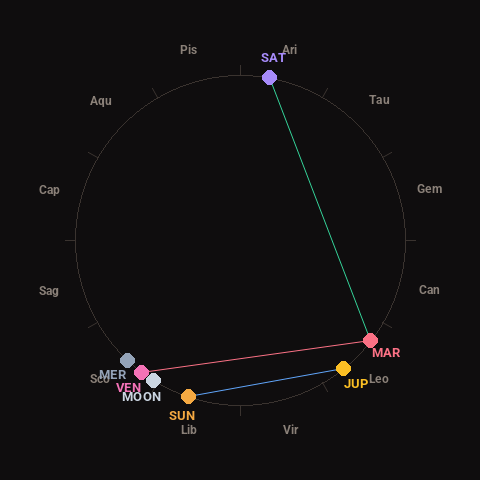
Moon: New Moon (1% illuminated), in Scorpio.
Notable planetary angles: Venus square Mars (89°), Mars trine Saturn (117°), Sun sextile Jupiter (57°).
Concurrent space weather: planetary Kp index 1.3; strongest recent solar flare: nothing notable.
This is a factual snapshot, not a claim of cause and effect – researchers are divided on whether lunar, planetary or solar factors influence seismic or weather activity. It’s included so readers can track the pattern for themselves over time.