
GOES satellites recorded an M1.4-class solar flare on the Sun today, peaking at 15:42 UTC on October 16, 2026. The flare’s X-ray output measured 1.4e-5 watts per square meter — enough to earn it a spot in the ‘moderate’ (M-class) range, which sits in the middle of the flare scale scientists use.
On the practical side, this flare maps to roughly an R1 (minor) event on the radio-blackout scale. That means a brief fade-out of high-frequency shortwave radio signals on the sunlit side of Earth at the time of the flare — the kind of thing ham radio operators, mariners, and some aviation communications notice. These effects are immediate but typically short-lived, and they do not affect everyday cell phones, Wi-Fi, or home electronics.
What to watch over the next 1–3 days
The open question is whether this flare also launched a coronal mass ejection (CME) — a burst of solar material — toward Earth. If it did, that material could arrive in one to three days and produce a geomagnetic storm. Forecasters track this using the Kp index, a simple 0–9 scale of geomagnetic activity; elevated values can mean stronger auroras at high latitudes and, at higher levels, stress on power grids and satellites. An M1.4 flare is on the modest end, so any resulting storm would most likely be weak to moderate, but it’s worth checking.
Sensible steps for now: if you live in northern latitudes, keep an eye on aurora forecasts over the next couple of nights — a glancing CME could make for a nice display. If you rely on shortwave radio, expect occasional brief dropouts and have a backup communication method handy. Otherwise, no action is needed; this is a routine event the Sun produces regularly, especially during active periods of its cycle.
Data for this alert comes from NOAA’s Space Weather Prediction Center and its GOES satellite measurements.
Frequently Asked Questions
Will this solar flare affect my phone, internet, or power?
No. An M1.4 (R1-level) flare only causes brief shortwave radio fade-outs on Earth's sunlit side — it does not impact cell networks, Wi-Fi, or the power grid.
Could a bigger geomagnetic storm follow this flare?
Possibly, if the flare launched a CME toward Earth — that material would arrive in 1–3 days. Any storm from an M1.4 event would most likely be weak to moderate; forecasters are watching the Kp index for confirmation.
Will there be auroras visible where I live?
If a CME arrives and geomagnetic activity rises, auroras could become visible at high latitudes over the next couple of nights. Check aurora forecasts for your region before heading out.
Is an M1.4 flare dangerous to people on the ground?
No. Earth's atmosphere shields people on the ground from flare radiation. This class of flare is routine, and only astronauts and high-altitude polar flights face any elevated exposure considerations.
Keep tracking this:
Source: NOAA GOES X-ray Flux
Sky & Solar Conditions at the Time
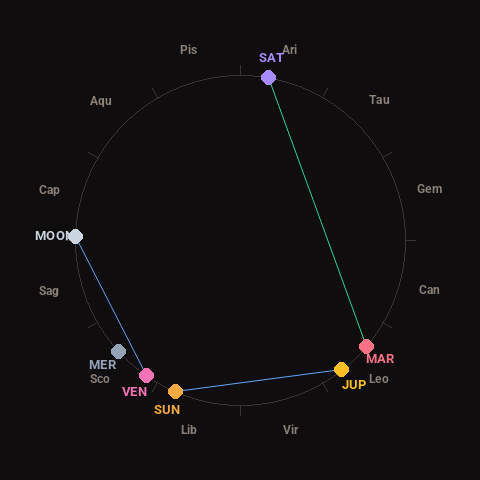
Moon: First Quarter (32% illuminated), in Capricorn.
Notable planetary angles: Mars trine Saturn (120°), Sun sextile Jupiter (61°), Moon sextile Venus (57°).
Concurrent space weather: planetary Kp index 1.7; strongest recent solar flare: M1.4-class.
This is a factual snapshot, not a claim of cause and effect – researchers are divided on whether lunar, planetary or solar factors influence seismic or weather activity. It’s included so readers can track the pattern for themselves over time.