
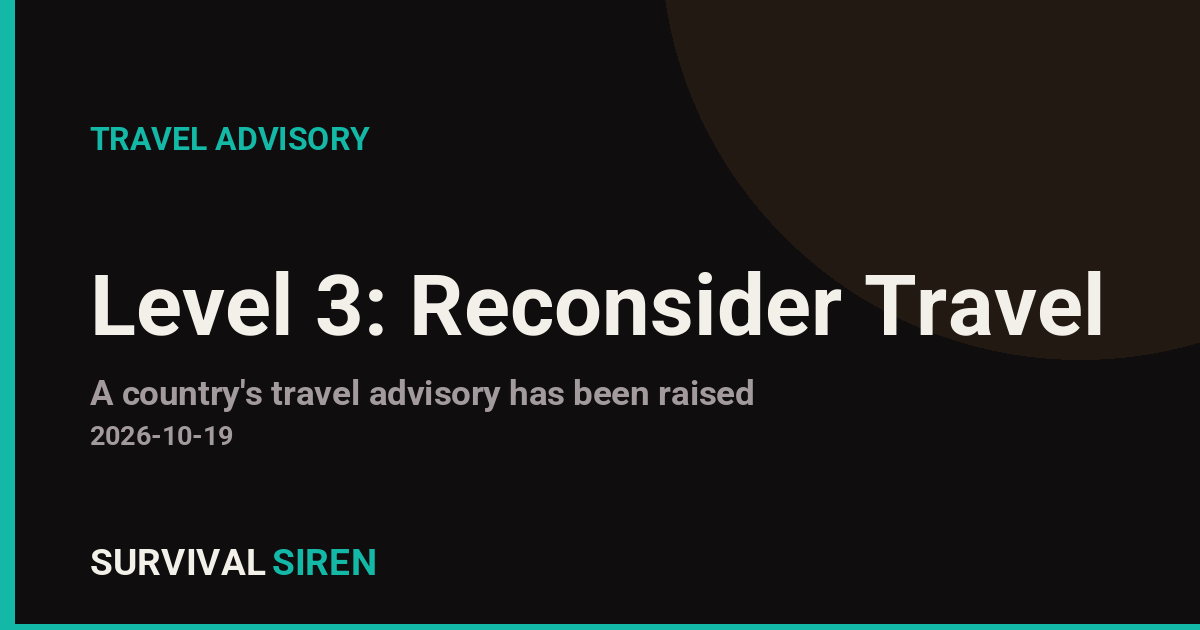
The U.S. State Department has raised its travel advisory for Kenya to Level 3: Reconsider Travel, citing risks related to health, crime, kidnapping, terrorism, civil unrest, and traffic safety. Some areas of the country carry even higher risk, and the advisory urges travelers to read the full details before making plans. This is the second change to Kenya’s advisory level in the past month, signaling that conditions have shifted more than once in a short period.
The most notable new development is on the health side. The CDC has issued a Travel Health Notice for Ebola Bundibugyo Virus Disease for Kenya, tied to a regional outbreak that has also prompted an Ebola notice for the neighboring Democratic Republic of the Congo (DRC). As of May 17, the World Health Organization has been tracking the situation. Ebola does not spread as easily as respiratory viruses, but its seriousness warrants close attention from anyone with travel plans to the region.
Who is affected
Anyone planning travel to Kenya, anyone currently in the country, and travelers connecting through Nairobi’s international airport should pay attention. Safari tourism, business travel, and missionary or aid work are the most common reasons Americans visit Kenya. The Level 3 rating does not ban travel, but it signals that conditions have deteriorated enough that the State Department recommends putting off trips if possible.
What readers might notice: airlines and tour operators may begin offering rebooking flexibility, travel insurance claims related to Kenya may become harder to file since many policies exclude known advisories, and prices for upcoming trips could fluctuate as operators adjust.
Practical pointers:
- If you have a Kenya trip booked, contact your airline or tour company now to ask about rebooking or cancellation options before policies tighten.
- If you are currently in Kenya, enroll in the State Department’s Smart Traveler Enrollment Program (STEP) so the embassy can reach you, and avoid large gatherings and demonstrations.
- Travelers returning from the region should monitor their health for 21 days and seek care promptly if fever or flu-like symptoms develop, mentioning their travel history.
This advisory and its health notices come from the U.S. State Department, the CDC, and the World Health Organization.
Frequently Asked Questions
Does Level 3 mean I can't travel to Kenya?
No. Level 3 is a recommendation to reconsider, not a prohibition. Only Level 4 means 'Do Not Travel.' However, many travel insurance policies will not cover trips booked after an advisory is raised.
Is there an Ebola outbreak in Kenya right now?
The CDC has issued a Travel Health Notice for Ebola Bundibugyo Virus Disease related to Kenya and a separate notice for the DRC, where the outbreak is centered. Ebola spreads through direct contact with bodily fluids, not casually through the air.
I'm in Kenya now – should I leave immediately?
There is no mandatory evacuation, and most visitors complete trips without incident. Enroll in STEP, avoid protests and high-risk areas flagged in the full advisory, and follow embassy guidance.
Will this advisory affect my flight or safari booking?
Possibly. Airlines and safari operators often loosen rebooking policies when advisories rise, but refunds aren't guaranteed. Contact your provider directly and check your travel insurance terms.
Keep tracking this:
Source: U.S. Department of State
Related Reading
Sky & Solar Conditions at the Time
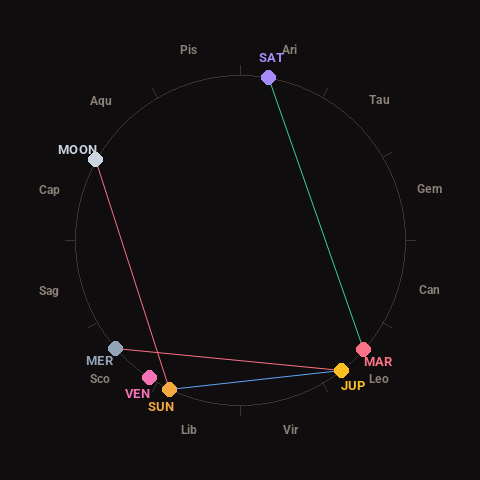
Moon: First Quarter (53% illuminated), in Capricorn.
Notable planetary angles: Mars trine Saturn (122°), Sun sextile Jupiter (63°), Mercury square Jupiter (87°), Sun square Moon (94°).
Concurrent space weather: planetary Kp index 0.3; strongest recent solar flare: nothing notable.
This is a factual snapshot, not a claim of cause and effect – researchers are divided on whether lunar, planetary or solar factors influence seismic or weather activity. It’s included so readers can track the pattern for themselves over time.