
The National Weather Service office in Fairbanks, Alaska, has issued a Blizzard Warning covering four areas of western Alaska: Shishmaref, the Bering Strait Coast, the Southern Seward Peninsula Coast, and the Interior Seward Peninsula. The warning took effect at 3:06 PM Alaska Daylight Time on October 21 and remains in force until 1:00 AM AKDT on October 24 — a stretch of roughly three days.
A Blizzard Warning means sustained winds or frequent gusts of 35 mph or higher are expected to combine with falling or blowing snow, dropping visibility to a quarter mile or less for at least three hours. In these coastal and interior communities, that translates to whiteout conditions, drifting snow that can bury roads and buildings, and wind chills cold enough to cause frostbite on exposed skin in minutes.
Residents of Shishmaref and surrounding villages — communities that are not connected to the state road system — may notice travel becoming impossible, including by snowmachine, which is the primary way people move between villages in winter. Flights to and from the region’s small airstrips are also likely to face delays or cancellations during the worst conditions.
What to do and watch for
Stay home during the worst of it. Avoid travel between villages while the warning is active; whiteout conditions can disorient even experienced travelers. Stock essentials now. Make sure you have food, water, medications, batteries, and fuel for heating to last through the weekend. Prepare for power interruptions. High winds can bring down lines in exposed coastal areas — keep flashlights, warm clothing, and blankets handy, and charge phones ahead of time.
Conditions should gradually improve after the warning expires early Friday morning, but blowing snow can linger even after snowfall stops. Check in on elders and neighbors who may need extra help during a multi-day storm.
Data for this alert comes from the National Weather Service (NWS) Fairbanks office and NOAA.
Frequently Asked Questions
What should I do right now?
Finish any essential travel before conditions worsen, stock up on food, water, medications, and heating fuel, and charge phones and battery packs. Once the blizzard sets in, stay indoors and off the roads and trails.
How long will this blizzard last?
The warning runs from 3:06 PM AKDT October 21 until 1:00 AM AKDT October 24 — about three days. Conditions may vary across the four affected areas, but plan for multi-day disruptions.
Will flights and travel be affected?
Very likely. Whiteout conditions and high winds typically ground small aircraft serving Shishmaref and Seward Peninsula villages, and snowmachine travel between communities can become dangerous or impossible during the worst conditions.
Is there a risk of power outages?
Yes — blizzard-force winds in exposed coastal areas frequently knock down power lines. Have flashlights, blankets, and warm layers ready in case outages last longer than the storm itself.
Keep tracking this:
Source: National Weather Service (NWS)
Related Reading
- Emergency Communication: Staying Connected When Towers Go Down
- Earthquake Survival: Precautions, Kit & Early Warning in 2026
- Essential Guide to Preparing for a Nuclear War
Sky & Solar Conditions at the Time
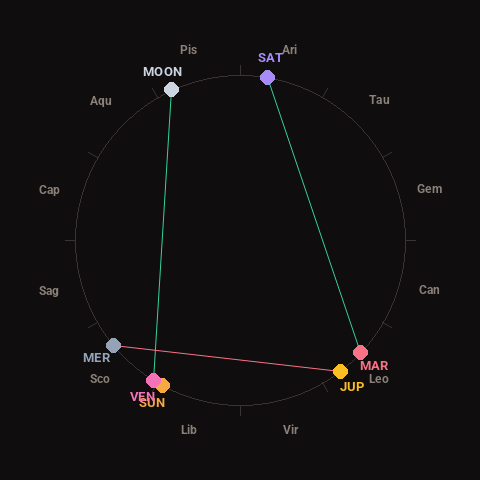
Moon: Waxing Gibbous (80% illuminated), in Pisces.
Notable planetary angles: Mercury square Jupiter (88°), Mars trine Saturn (123°), Sun conjunct Venus (4°), Moon trine Venus (124°).
Concurrent space weather: planetary Kp index 3.7; strongest recent solar flare: nothing notable.
This is a factual snapshot, not a claim of cause and effect – researchers are divided on whether lunar, planetary or solar factors influence seismic or weather activity. It’s included so readers can track the pattern for themselves over time.