
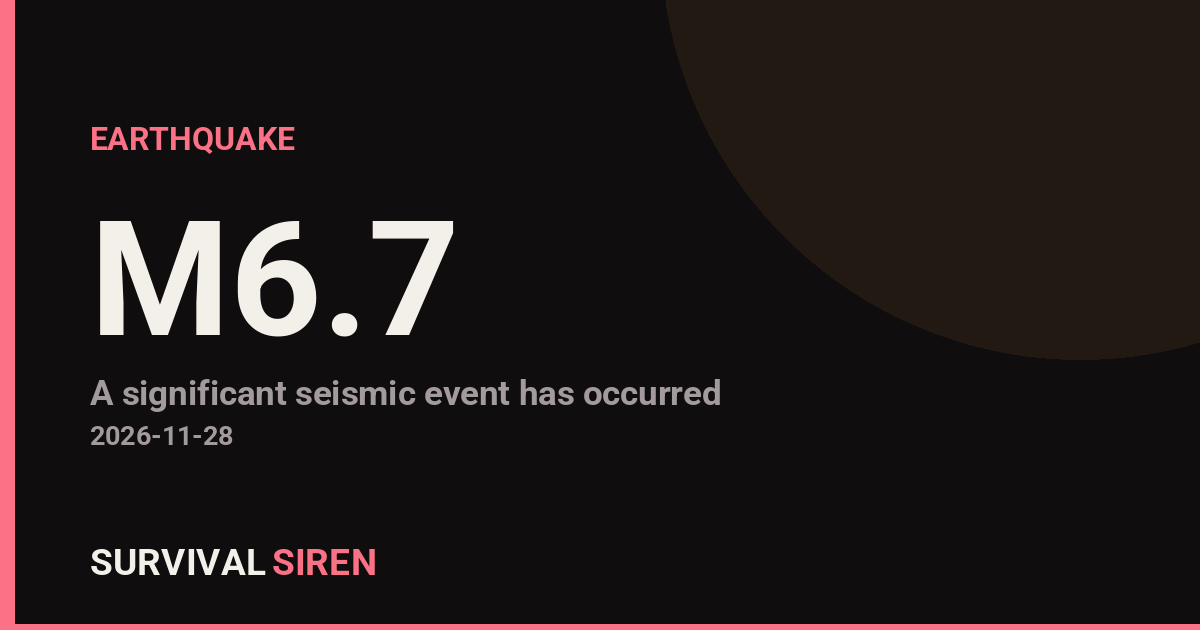
A magnitude 6.7 earthquake struck 62 kilometers north-northwest of Yelizovo, Russia, on the Kamchatka Peninsula, according to the U.S. Geological Survey. The quake originated at a depth of roughly 188 kilometers — very deep for an earthquake of this size. That depth matters: deep earthquakes spread their energy over a much wider area but typically produce less intense shaking at the surface than a shallow quake of the same magnitude.
The nearest major population center is Petropavlovsk-Kamchatsky, about 86 kilometers away, home to roughly 180,000 people. Residents there and across the central Kamchatka Peninsula may have felt moderate, rolling shaking lasting several seconds, along with rattling windows and swinging light fixtures. While earthquakes of this magnitude can damage vulnerable structures near the epicenter, the 188-kilometer depth significantly reduces the risk of severe damage compared to a shallow event. No immediate reports of major destruction have been confirmed at this time.
Kamchatka is one of the most seismically active regions on Earth, sitting above the subduction zone where the Pacific Plate dives beneath the region. This is at least the 61st earthquake of magnitude 5.0 or greater recorded within about 300 kilometers of this location in the past year, so frequent strong quakes are a normal feature of the area — though each one still deserves attention.
What to watch for
Aftershocks: Deep earthquakes tend to produce fewer and weaker aftershocks than shallow ones, but some follow-up activity is still possible over the coming days.
Damage reports: Older or unreinforced buildings in Petropavlovsk-Kamchatsky and Yelizovo should be checked for cracks or shifted foundations; local assessments may take several hours.
Volcanic activity: Kamchatka hosts numerous active volcanoes. Large regional earthquakes occasionally precede changes in volcanic behavior, so monitoring agencies will be watching closely.
Data for this alert comes from the U.S. Geological Survey (USGS) earthquake monitoring network.
Frequently Asked Questions
Was the earthquake felt in Petropavlovsk-Kamchatsky?
Yes, likely. At 86 kilometers from the epicenter, residents probably felt light to moderate shaking, though the quake's great depth of 188 kilometers would have softened the intensity at the surface.
Is a tsunami possible from this earthquake?
A significant tsunami is very unlikely. Tsunamis are typically generated by shallow underwater earthquakes that displace the seafloor; this quake occurred 188 kilometers deep on land within the subducting plate.
Are aftershocks likely?
Some aftershock activity is possible, but deep-focus earthquakes like this one generally produce far fewer and smaller aftershocks than shallow quakes. Still, anyone in the region should be ready for additional shaking.
Is this unusual for Kamchatka?
No — the Kamchatka Peninsula is one of the world's most active seismic zones. At least 60 other magnitude 5.0+ earthquakes have occurred within 300 kilometers of this spot in the past year alone.
Keep tracking this:
Source: USGS
Related Reading
- Bug Out Bags: What the Best-Selling 72-Hour Kits on Amazon Actually Deliver
- Top 10 YouTube Videos on How to Prepare for an Earthquake
- Global Seismic Stress Report: Southern Ocean Activity Rises While Six Segments Go Quiet

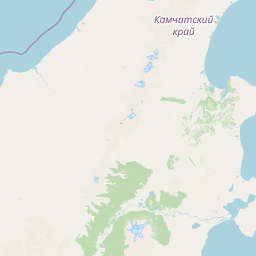

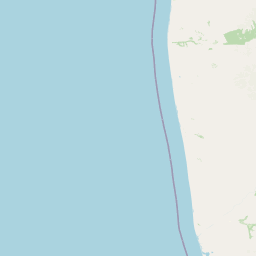
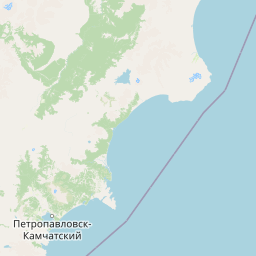

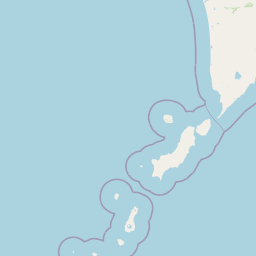
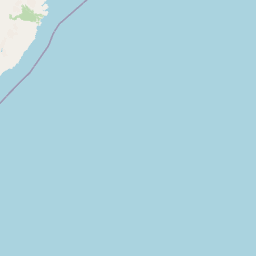

Map centered on the epicenter (53.72, 158.08). Map data © OpenStreetMap contributors.
Sky & Solar Conditions at the Time
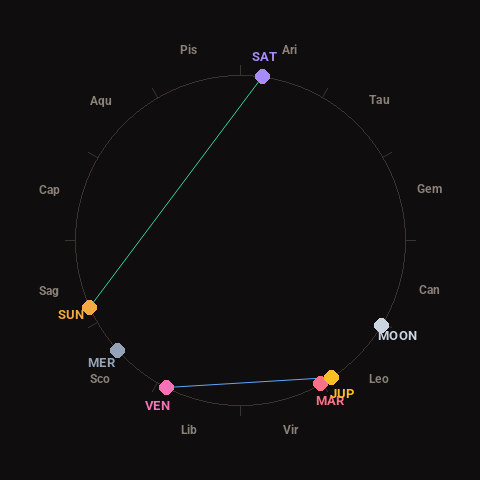
Moon: Waning Gibbous (79% illuminated), in Leo.
Notable planetary angles: Venus sextile Jupiter (60°), Sun trine Saturn (122°).
Concurrent space weather: planetary Kp index 3.3; strongest recent solar flare: nothing notable.
This is a factual snapshot, not a claim of cause and effect – researchers are divided on whether lunar, planetary or solar factors influence seismic or weather activity. It’s included so readers can track the pattern for themselves over time.
Earthquakes Within ~400 km, Past 30 Days
For context, here is other recent seismic activity in the surrounding region (M2.5+, via USGS):
| Date & Time (UTC) | Magnitude | Location |
|---|---|---|
| 2026-11-27 11:02 UTC | M4.8 | 183 km SSE of Vilyuchinsk, Russia |
| 2026-11-21 00:32 UTC | M4.4 | 41 km SE of Petropavlovsk-Kamchatsky, Russia |
| 2026-11-17 15:49 UTC | M4.9 | 135 km S of Vilyuchinsk, Russia |
| 2026-11-17 15:48 UTC | M4.9 | 102 km ENE of Ozernovskiy, Russia |
| 2026-11-15 22:38 UTC | M4.8 | 144 km ESE of Petropavlovsk-Kamchatsky, Russia |
| 2026-11-14 12:28 UTC | M4.5 | 137 km SE of Petropavlovsk-Kamchatsky, Russia |
| 2026-11-12 01:18 UTC | M4.8 | 43 km SE of Severo-Kuril’sk, Russia |
| 2026-11-11 01:01 UTC | M4.2 | 68 km E of Petropavlovsk-Kamchatsky, Russia |
| 2026-11-09 07:04 UTC | M4.6 | 54 km S of Klyuchi, Russia |
| 2026-11-08 03:48 UTC | M4.4 | 116 km ENE of Petropavlovsk-Kamchatsky, Russia |
| 2026-11-06 10:12 UTC | M4.5 | 91 km SSW of Vilyuchinsk, Russia |
| 2026-11-03 03:13 UTC | M4.7 | 74 km E of Petropavlovsk-Kamchatsky, Russia |
| 2026-10-31 05:29 UTC | M4.4 | 30 km SE of Vilyuchinsk, Russia |
| 2026-10-31 04:38 UTC | M4.3 | 47 km SE of Petropavlovsk-Kamchatsky, Russia |
Emergency number for Russia: 112 (General guidance – always verify locally, as this can vary by region.)