
A powerful hurricane named Polo is active in the eastern Pacific and is affecting Mexico, according to a Red-level alert issued by the Global Disaster Alert and Coordination System (GDACS), run by the EU Joint Research Centre. The storm is being tracked from September 21 through September 28, 2026, with maximum sustained winds reported at 287 km/h (about 178 mph) – well above the 74 mph threshold that defines a hurricane, and squarely in major-hurricane territory.
An estimated 243,000 people in Mexico are exposed to wind speeds of Category 1 strength (120 km/h) or greater. GDACS rates Mexico’s vulnerability to this storm as Medium, meaning the country has meaningful disaster-management capacity, but the combination of extreme winds, torrential rain, and storm surge still poses serious risks, especially in coastal and mountainous areas prone to flash flooding and mudslides.
What readers in affected areas might notice
Expect rapidly deteriorating conditions as the storm approaches: strengthening winds, very heavy rainfall, high surf and dangerous rip currents along the Pacific coast, and possible power outages and downed trees. Low-lying coastal communities could see flooding from storm surge, while inland areas face flash floods and landslides. Flights and ferry services in the region may be delayed or cancelled, and some roads could close.
Sensible steps for those in or near the affected zone:
1. Secure your home and supplies. Bring in loose outdoor items, charge phones and power banks, and keep several days of water, food, medications, and flashlights on hand.
2. Know your evacuation route. If you live in a low-lying coastal or flood-prone area, follow local civil protection guidance and be ready to leave early rather than waiting for conditions to worsen.
3. Avoid travel near the coast. Stay off beaches and away from swollen rivers; most hurricane deaths come from water, not wind.
Data for this alert comes from GDACS (EU Joint Research Centre), with storm tracking based on NOAA and National Hurricane Center observations.
Frequently Asked Questions
Which parts of Mexico are affected by Hurricane Polo?
The alert covers Mexico's Pacific-facing regions in the storm's path, with roughly 243,000 people exposed to hurricane-force winds of 120 km/h or more. Exact impact zones depend on the storm's final track, so follow Mexican civil protection (Protección Civil) updates for your state.
How strong is this hurricane?
Maximum winds have reached 287 km/h (about 178 mph), making Polo a major hurricane – far above the 119 km/h Category 1 threshold. Storms of this strength can cause severe structural damage, widespread power outages, and dangerous storm surge.
Should I evacuate?
Only evacuate if local authorities tell you to or if you are in a known storm-surge, flood, or landslide zone. If told to go, leave early with your emergency kit; otherwise, sheltering indoors away from windows is usually safer than being on the road during the storm.
How long will the storm last?
The current alert window runs from September 21 to September 28, 2026, though the worst conditions for any one location typically last 12-24 hours as the storm passes. Heavy rain and flooding can persist for days afterward, especially in mountainous terrain.
Keep tracking this:
Source: GDACS (EU Joint Research Centre)
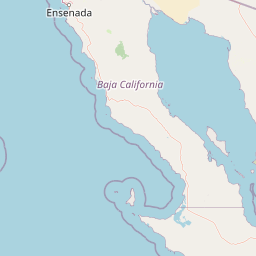
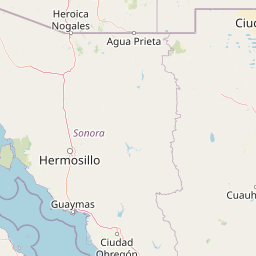

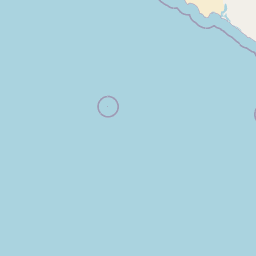



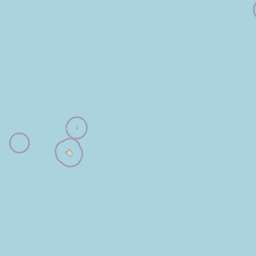
Map centered on the epicenter (22.80, -114.00). Map data © OpenStreetMap contributors.
Sky & Solar Conditions at the Time
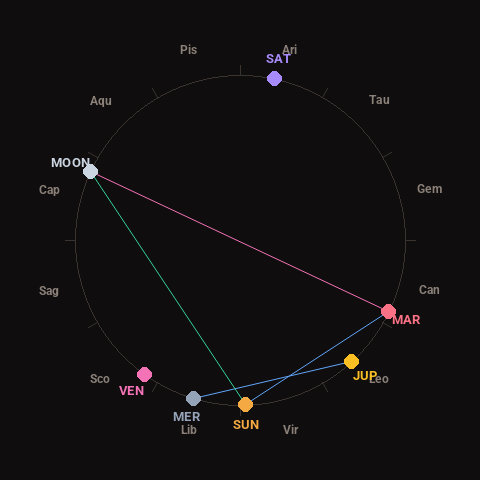
Moon: Waxing Gibbous (73% illuminated), in Capricorn.
Notable planetary angles: Moon opposite Mars (179°), Mercury sextile Jupiter (59°), Sun sextile Mars (62°), Sun trine Moon (117°).
Concurrent space weather: planetary Kp index 0.7; strongest recent solar flare: nothing notable.
This is a factual snapshot, not a claim of cause and effect – researchers are divided on whether lunar, planetary or solar factors influence seismic or weather activity. It’s included so readers can track the pattern for themselves over time.