
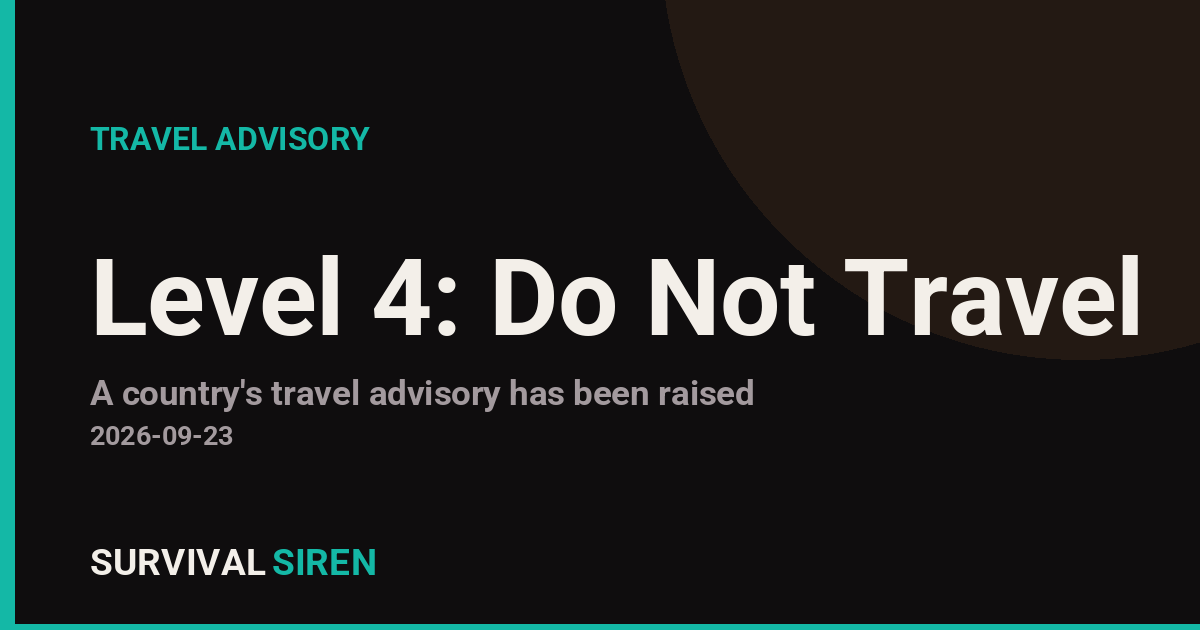
The U.S. State Department has raised its travel advisory for Gaza to Level 4: Do Not Travel, the highest warning tier the department issues. The advisory cites terrorism, civil unrest, and severely limited health infrastructure as the driving reasons.
Under this advisory, U.S. government employees are prohibited from traveling to Gaza for any reason due to safety risks. Just as important for everyday readers: the U.S. government is unable to provide routine or emergency consular services to U.S. citizens in Gaza. That means if an American were in Gaza and needed help – a lost passport, a medical emergency, or evacuation assistance – there would be little to no official support available.
Why the escalation
According to the advisory summary, terrorist groups, lone-actor terrorists, and other violent extremists continue plotting possible attacks in Gaza. The combination of active threats, unrest, and a health system unable to handle mass-casualty or complex emergencies puts the destination at the maximum risk level.
For most readers, the practical impact is indirect. Level 4 advisories affect travel insurance coverage (many policies exclude destinations at this level), airline and tour operator bookings in the broader region, and family or business travel plans involving the area. If you have relatives or contacts in Gaza, expect communication disruptions and limited ability for outside assistance.
Sensible steps to consider: first, if you or someone you know is a U.S. citizen in the region, enrollment in the State Department’s Smart Traveler Enrollment Program (STEP) ensures they receive the latest security updates where service is available. Second, check any upcoming travel bookings to the wider region for cancellation or rebooking flexibility. Third, keep copies of important documents and an emergency contact plan for family members abroad, since consular help in Gaza itself is not available.
This alert is based on the U.S. Department of State’s official travel advisory for Gaza.
Frequently Asked Questions
What does Level 4: Do Not Travel actually mean?
It is the State Department's highest warning level, reserved for destinations with life-threatening risks. It means U.S. citizens are urged not to travel there at all, and those already there should consider departing if it is safe to do so.
Can the U.S. government help Americans who are in Gaza?
No. The advisory states the U.S. government cannot provide routine or emergency consular services in Gaza, and U.S. government employees are barred from traveling there for any reason.
Does this advisory affect my travel insurance?
It can. Many travel insurance policies exclude coverage for destinations under a Level 4 advisory, so check your policy terms before booking travel anywhere in the region.
Why was the advisory raised now?
The State Department cites ongoing terrorist plotting by extremist groups, civil unrest, and health infrastructure that is too limited to support travelers in an emergency.
Keep tracking this:
Source: U.S. Department of State
Related Reading
Sky & Solar Conditions at the Time
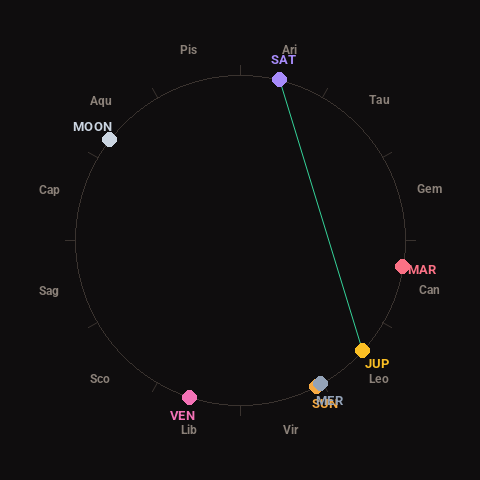
Moon: Waxing Gibbous (95% illuminated), in Aquarius.
Notable planetary angles: Jupiter trine Saturn (118°), Sun conjunct Mercury (2°).
Concurrent space weather: planetary Kp index 0.3; strongest recent solar flare: nothing notable.
This is a factual snapshot, not a claim of cause and effect – researchers are divided on whether lunar, planetary or solar factors influence seismic or weather activity. It’s included so readers can track the pattern for themselves over time.