
The U.S. State Department has reissued its highest-level travel advisory for North Korea, keeping the country at Level 4: Do Not Travel after a periodic review with minor edits. This is the most serious warning the department issues, and it applies to all U.S. citizens for any reason, including tourism, business, and family visits.
The advisory cites the continuing serious risk of arrest, long-term detention, and the threat of wrongful detention of U.S. nationals. The U.S. government has no diplomatic or consular presence in North Korea, which means there is no U.S. embassy to help if an American is detained. Sweden serves as the protecting power for U.S. interests there, but its ability to assist is very limited.
One practical point many readers may not know: standard U.S. passports are not valid for travel to, in, or through North Korea. A passport can only be used for such travel if the Secretary of State grants a special validation, which is issued only in rare cases where the travel is deemed to be in the U.S. national interest. Traveling without that validation is a violation of federal rules and can carry penalties.
What to keep in mind
Who is affected: All U.S. citizens considering travel to the DPRK, as well as Americans abroad who might be offered tours that transit through or enter North Korea. Journalists, aid workers, and dual nationals face elevated risk.
Watch items:
1. If you or a family member had any planned travel involving North Korea, it should not proceed without a special passport validation from the State Department.
2. Dual U.S.-North Korean nationals should be aware they may be treated solely as North Korean citizens while in the country, further limiting any outside assistance.
3. Travelers already in the broader region should monitor State Department updates, as tensions on the Korean Peninsula can shift quickly and affect nearby travel.
This advisory is issued and maintained by the U.S. Department of State’s Bureau of Consular Affairs, which reviews Level 4 advisories on a regular schedule.
Frequently Asked Questions
Does 'Level 4' mean something new just happened in North Korea?
No. This was a routine reissue after a periodic review with only minor edits. North Korea has remained at Level 4 for years due to the ongoing risk of detention of U.S. citizens.
Can I legally travel to North Korea as an American?
Not with a standard U.S. passport. U.S. passports are invalid for travel to, in, or through North Korea unless the Secretary of State grants a special validation, which is rare and reserved for travel in the U.S. national interest.
What happens if an American is detained in North Korea?
The U.S. has no embassy in North Korea, so consular help is extremely limited. Sweden acts as the protecting power for U.S. interests, but access to detained Americans is not guaranteed.
Does this advisory affect travel to South Korea or Japan?
No. This advisory applies only to North Korea (the DPRK). South Korea and Japan have their own, separate advisory levels and remain open to normal travel.
Keep tracking this:
Source: U.S. Department of State
Related Reading
Sky & Solar Conditions at the Time
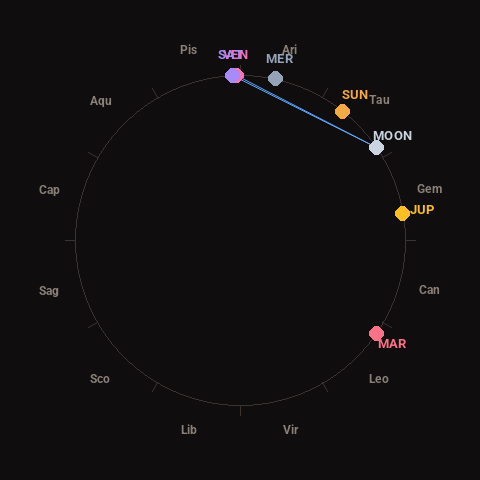
Moon: New Moon (2% illuminated), in Taurus.
Notable planetary angles: Venus conjunct Saturn (1°), Moon sextile Saturn (58°), Moon sextile Venus (57°).
Concurrent space weather: planetary Kp index 0.3; strongest recent solar flare: nothing notable.
This is a factual snapshot, not a claim of cause and effect – researchers are divided on whether lunar, planetary or solar factors influence seismic or weather activity. It’s included so readers can track the pattern for themselves over time.