
What is a Tourniquet and Why It Is Important in Survival Situations
 Survival Siren
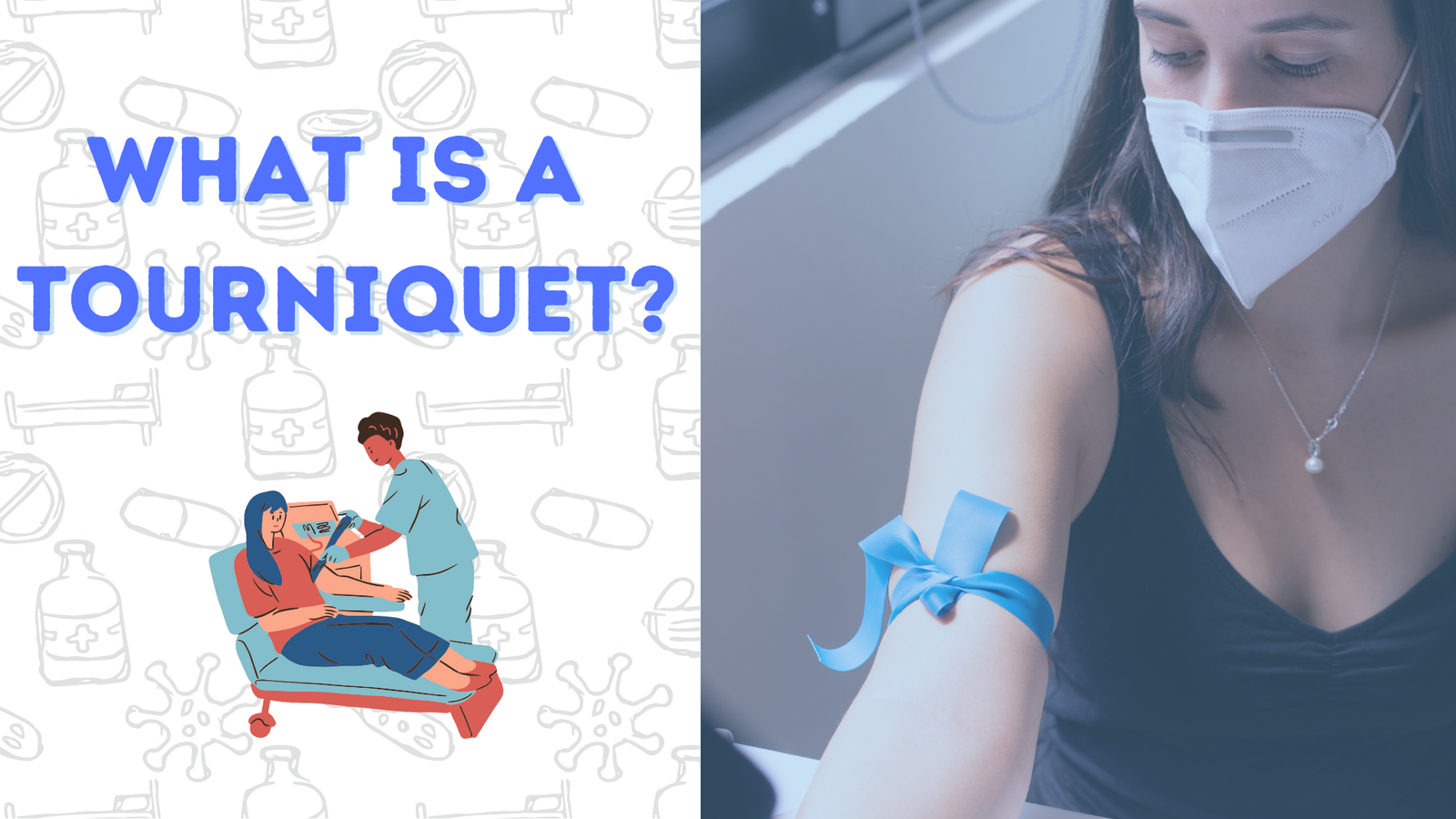
A tourniquet is a device used to stop serious bleeding in the event of an injury, such as a deep cut or gunshot wound. It can be made out of almost anything, including cloth, rope, rubber bands and even sticks. In a survival situation, having a tourniquet on hand could be critical for saving your life.
How to Make a Tourniquet with Materials Found in Nature
If you’re stuck in the wilderness and need to make a tourniquet, there are a few steps you can take. First, find something sturdy that can be used as a bandage, such as cloth or rope. Wrap it around the bleeding area tightly but not too tight so that blood can still get through. Then, tie a knot in the bandage. Next, you will need something to use as a stick to place over the top of the cloth and twist it until it’s tight enough to stop the bleeding. Finally, secure the stick in place with another piece of material or by tying it off so that it won’t move.
Dos and Don’ts of Tourniquet Use
When using a tourniquet, it’s important to remember that they should only be used as a last resort in extreme situations. When applied correctly, they can save lives, but when applied incorrectly, they can cause serious injury or worse.
Do:
– Check for a pulse before applying the tourniquet.
– Tie it as tight as you can, but not too tightly so that blood can still get through.
– Secure the stick in place with another material or by tying it off.
– Untie and loosen the tourniquet in 15 minutes and then re-tighten it.
Don’t:
– Don`t use a tourniquet if there is no life-threatening bleeding.
– Don`t leave the tourniquet on for longer than two hours.
– Don`t apply too much pressure, as this can cause nerve damage or tissue death.
– Don`t reuse an old tourniquet, as it may be contaminated with bacteria or other germs.
In a survival situation, having the knowledge to make and use a tourniquet can be essential for saving your life or someone else’s. Just remember to apply the dos and don’ts of tourniquet use, and you’ll be prepared if you ever need to use it.