Cough CPR: Why It Doesn’t Work and What to Do Instead
A chain email from 1999 convinced millions that coughing hard could save them from a heart attack. It cannot, and believing it can costs precious minutes you do not have.
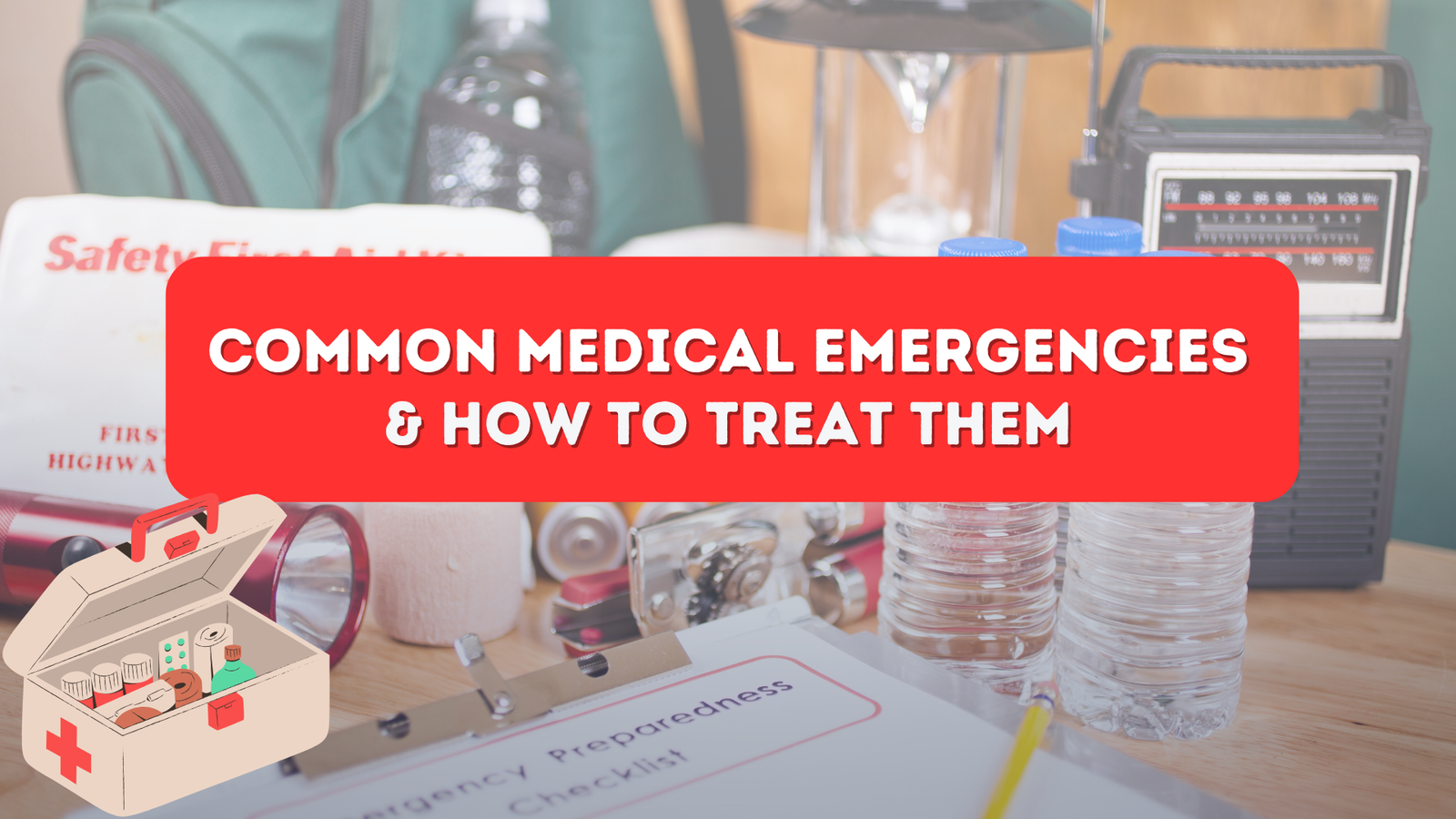
Dealing with medical emergencies can be difficult and sometimes life-threatening. It’s important to equip yourself with the knowledge of how to treat common medical emergencies in order to keep your family, friends, and yourself safe. In this article, we’ll explore a variety of common medical emergencies and discuss the best practices for treating them. Whether you want to become more informed about what symptoms are worth worrying about or just better understand how to deal if something does happen, here's all the information you need on how to take control of these situations.

When it comes to surviving a heart attack, medical intervention is key. Acting quickly and getting the right care can make a world of difference in your recovery. Here are some steps you should take if you or someone else experience signs of a heart attack:
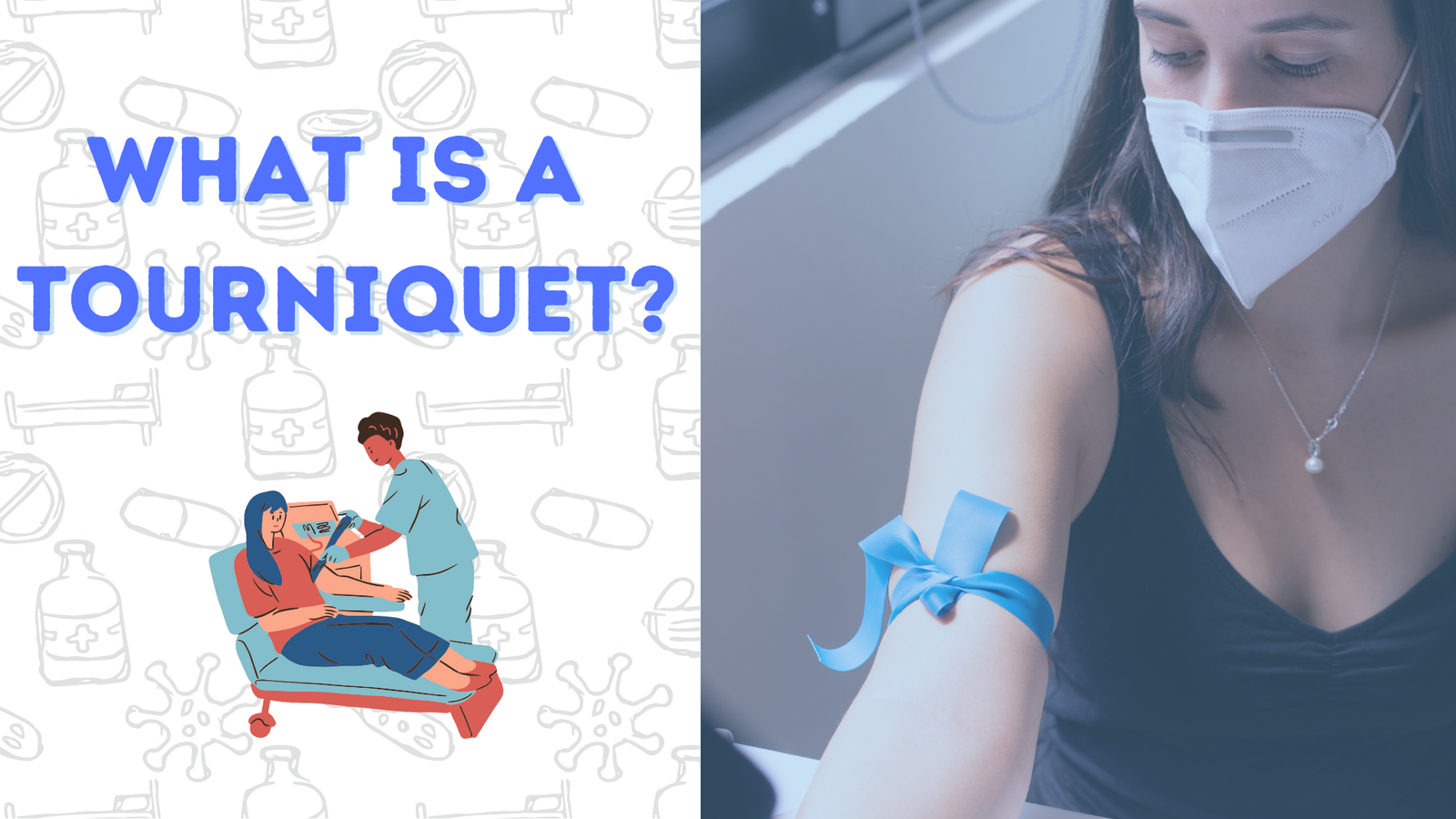
A tourniquet is a device used to stop serious bleeding in the event of an injury, such as a deep cut or gunshot wound. It can be made out of almost anything, including cloth, rope, rubber bands and even sticks. In a survival situation, having a tourniquet on hand could be critical for saving your life.
Dealing with medical emergencies can be difficult and sometimes life-threatening. It’s important to equip yourself with the knowledge of how to treat…