Nuclear Fallout Survival: The Real Step-by-Step Guide
Most nuclear survival advice is Cold War myth. Here's what FEMA, the CDC, and Ready.gov actually say about shelter, timing, potassium iodide, and when it's safe to come out.
Most nuclear survival advice is Cold War myth. Here's what FEMA, the CDC, and Ready.gov actually say about shelter, timing, potassium iodide, and when it's safe to come out.
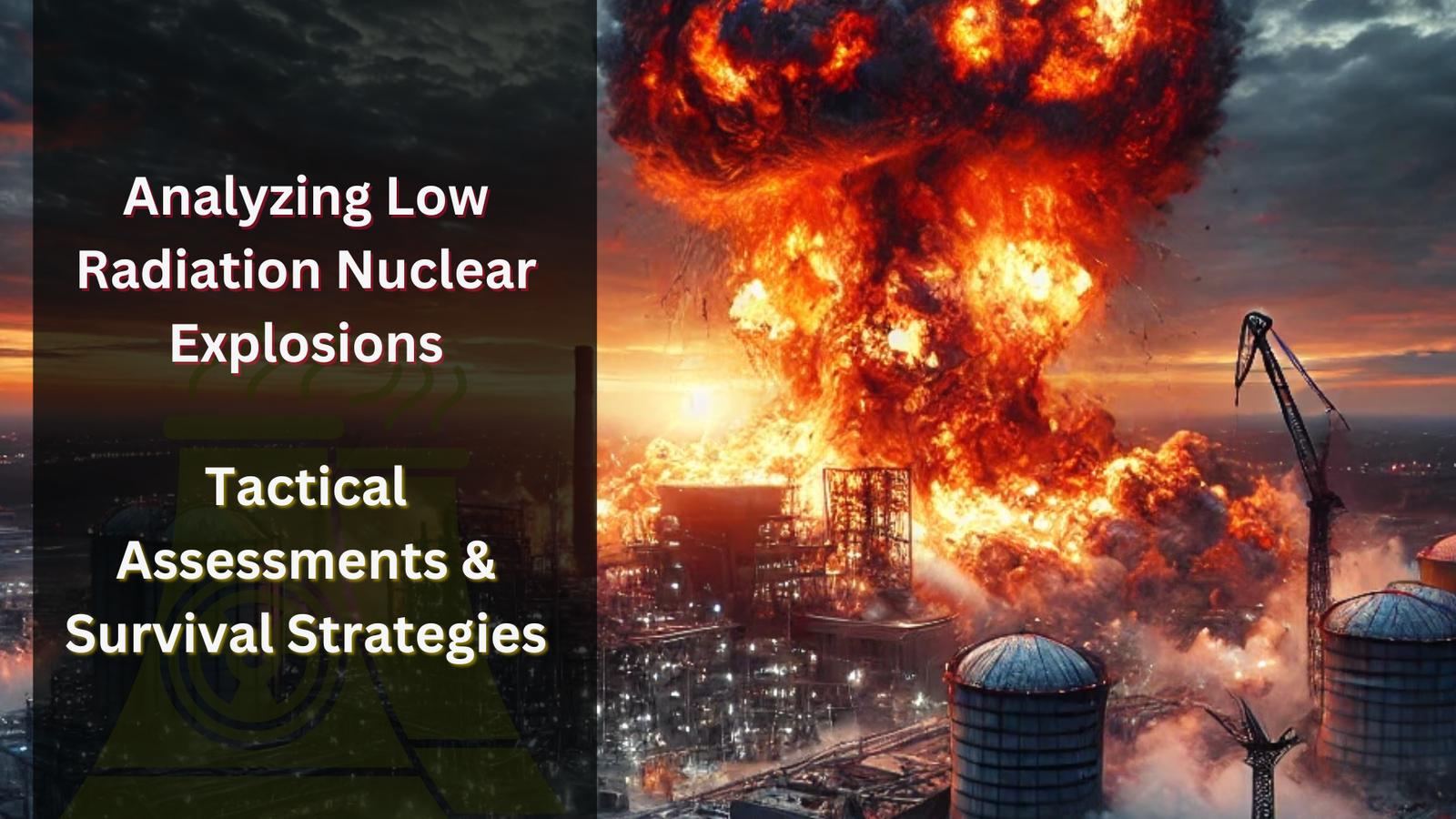
Recent catastrophic explosions in Tartus and Toropets have prompted speculation about the possible use of advanced nuclear weapon with low or no radiation. While official reports suggest conventional explosives, the characteristics of these incidents raise questions about the potential involvement of low-radiation nuclear devices.
There are around13,000 nuclear weapons in the world right now based on rough estimates. The magnitude of devastation the usage of even a fraction of these weapons in a nuclear war could cause is unparalleled, extending far beyond immediate physical destruction and loss of life. The implications are multidimensional, encompassing environmental, economic, and social disruptions that would persist long after the initial attack.