
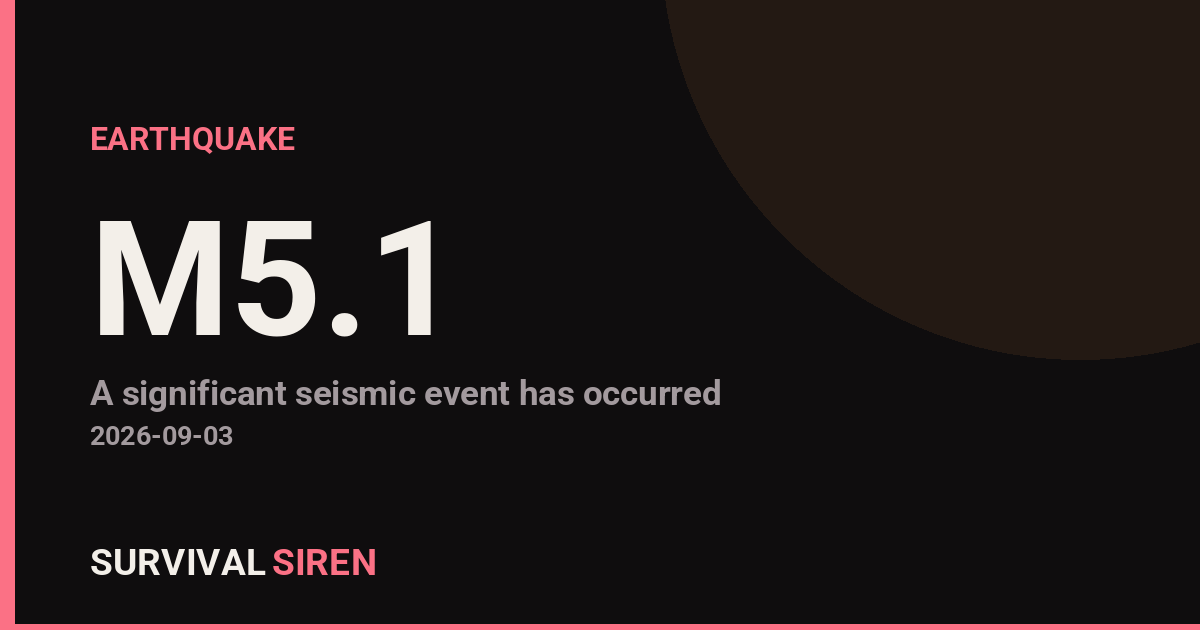
A magnitude 5.1 earthquake struck at a shallow depth of about 10 kilometers, roughly 115 kilometers northeast of Joshīmath in the Himalayan region of Uttarakhand, India, according to the USGS. Because the quake was shallow, shaking is more strongly felt at the surface than it would be from a deeper event of the same size.
People in Joshīmath, Chamoli district, and surrounding Himalayan communities may have felt light to moderate shaking — swaying furniture, rattling windows, or items shifting on shelves. The epicenter lies in a remote, mountainous area near the India-China border region, which limits exposure to dense populations, but the terrain raises a separate concern: quakes in this region can trigger rockfalls and landslides on steep slopes and mountain roads.
This part of the Himalaya sits on one of the world’s most seismically active zones, where the Indian plate pushes beneath the Eurasian plate, so moderate earthquakes here are not unusual. A magnitude 5.1 typically causes little to no structural damage to well-built buildings, though older or poorly constructed homes near the epicenter could see cracks.
What to watch for
First, aftershocks: quakes of this size are commonly followed by smaller tremors over the coming hours and days, so expect occasional light shaking. Second, landslides: anyone traveling mountain roads in Chamoli and neighboring districts should watch for debris, cracked pavement, and falling rock, especially after rain. Third, a quick home check: look for new cracks in walls, secure heavy items, and know your safest spots indoors (under sturdy furniture, away from windows) in case a stronger aftershock occurs.
If you felt shaking, report it to the USGS ‘Did You Feel It?’ program — those reports help scientists map the quake’s effects. Data for this alert comes from the US Geological Survey (USGS) earthquake monitoring network.
Frequently Asked Questions
Was the earthquake felt in Joshīmath or other nearby towns?
Likely yes — at magnitude 5.1 and only 10 km deep, shaking would probably be felt in Joshīmath and across Chamoli district, though the epicenter itself is in a remote mountain area about 115 km away.
Is a tsunami possible from this earthquake?
No. This quake occurred on land deep in the Himalaya, far from any ocean, so there is no tsunami risk. The main secondary hazard here is landslides on steep terrain.
Are aftershocks likely?
Yes. Magnitude 5 earthquakes are typically followed by smaller aftershocks over hours to days. Most are much weaker than the main quake, but it's wise to stay alert and secure loose household items.
Should I expect major damage?
Significant damage is unlikely — magnitude 5.1 quakes usually cause only minor effects such as cracked plaster in vulnerable older buildings. The bigger local risks are rockfalls and landslides on mountain roads near the epicenter.
Keep tracking this: the Space Weather Command Center shows live storm levels, aurora visibility and active alerts in plain English, and the Event Database is a searchable log of every earthquake, solar flare, CME and geomagnetic storm we’ve tracked, free to search or download.
Source: USGS
Related Reading
- Earthquake Survival: Precautions, Kit & Early Warning in 2026
- Analyzing Low-Radiation Nuclear Explosions: Tactical Assessments and Survival Strategies
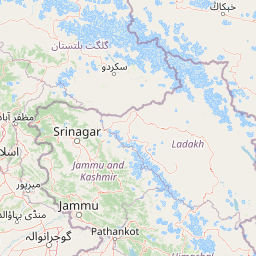
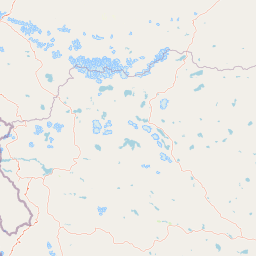
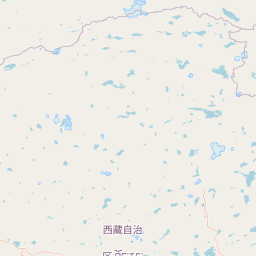
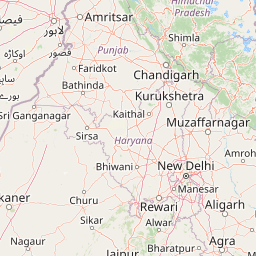
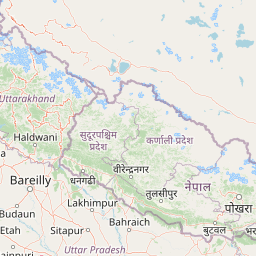
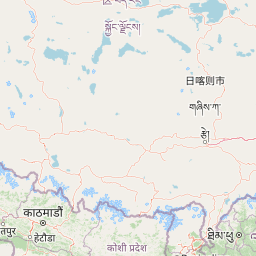
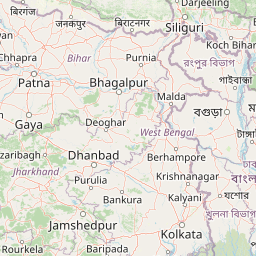
Map centered on the epicenter (31.36, 80.33). Map data © OpenStreetMap contributors.
Sky & Solar Conditions at the Time
Moon: Last Quarter (61% illuminated), in Taurus.
Notable planetary angles: Jupiter trine Saturn (121°), Mars square Saturn (91°), Mercury sextile Mars (62°).
Concurrent space weather: planetary Kp index 1.3; strongest recent solar flare: nothing notable.
This is a factual snapshot, not a claim of cause and effect – researchers are divided on whether lunar, planetary or solar factors influence seismic or weather activity. It’s included so readers can track the pattern for themselves over time.
Earthquakes Within ~400 km, Past 30 Days
For context, here is other recent seismic activity in the surrounding region (M2.5+, via USGS):
| Date & Time (UTC) | Magnitude | Location |
|---|---|---|
| 2026-08-26 00:16 UTC | M4.0 | 5 km NNE of Sarāhan, India |
| 2026-08-18 19:59 UTC | M4.3 | 143 km NW of Saga, China |
| 2026-08-18 14:10 UTC | M4.3 | 39 km WSW of Kyelang, India |
| 2026-08-09 19:51 UTC | M4.3 | 13 km ENE of Barkot, India |
Emergency number for India: 112 (General guidance – always verify locally, as this can vary by region.)