
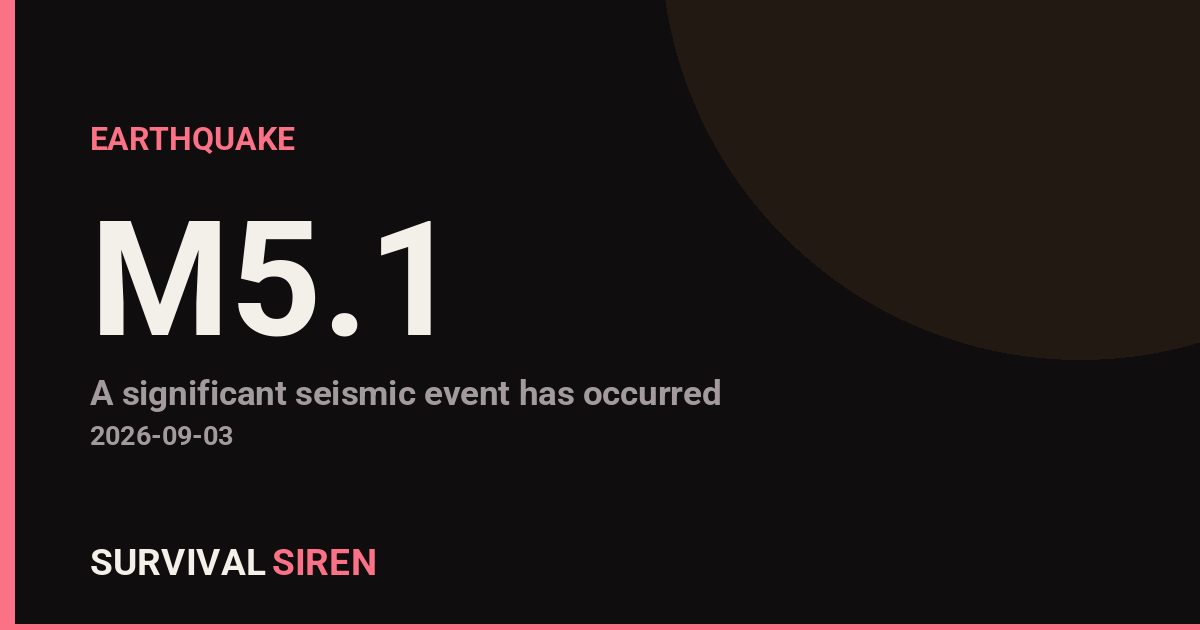
A magnitude 5.1 earthquake struck 42 kilometers (about 26 miles) northwest of Coquimbo, Chile, at a depth of roughly 55 kilometers (34 miles), according to the U.S. Geological Survey. Coquimbo is a coastal city in north-central Chile, in one of the most earthquake-prone regions in the world.
Residents in Coquimbo and neighboring La Serena likely felt noticeable shaking — the kind that rattles dishes, swings light fixtures, and can briefly wake people at night. Because the quake occurred at moderate depth, the shaking at the surface would be somewhat muted compared to a shallower quake of the same size. Light to moderate shaking may also have been felt farther inland and along the nearby coast. No damage reports have been confirmed at this time, but quakes of this size near populated areas can occasionally knock items off shelves or crack plaster in older buildings.
What to Watch For
Aftershocks: Smaller aftershocks are common in the hours and days after a magnitude 5 earthquake in this region. Most are minor, but it’s wise to secure heavy items and know your safe spots indoors.
Check your surroundings: If you’re in the affected area, take a quick look for fallen objects, cracked walls, or damaged gas lines. If you smell gas, leave the building and report it.
Coastal awareness: There is no tsunami threat expected from a quake of this size and depth, but Chilean coastal residents should always know their local evacuation routes as a matter of routine.
Chile sits on the boundary of the Nazca and South American tectonic plates, and moderate earthquakes like this one are a regular occurrence. The country’s strict building codes and practiced emergency response significantly reduce the risk from events of this magnitude.
Data for this alert comes from the U.S. Geological Survey (USGS) earthquake monitoring network.
Frequently Asked Questions
Was the earthquake felt in Coquimbo and La Serena?
Yes, most likely. A magnitude 5.1 quake 42 km offshore would produce noticeable shaking in both cities — rattling windows, swaying objects, and a brief rolling sensation — though the 55 km depth softens the intensity somewhat.
Is a tsunami possible from this earthquake?
No tsunami threat is expected. Quakes of this size and depth rarely displace the seafloor enough to generate a tsunami, and no alert has been issued.
Are aftershocks likely?
Yes, smaller aftershocks are typical after a magnitude 5 event in Chile and may continue for hours to days. Most will be too weak to cause damage, but it's sensible to secure loose or heavy items.
Should I expect damage from a magnitude 5.1 quake?
Significant damage is unlikely, especially given Chile's strong building codes. At most, expect fallen shelf items or minor cracks in older structures close to the epicenter.
Keep tracking this: the Space Weather Command Center shows live storm levels, aurora visibility and active alerts in plain English, and the Event Database is a searchable log of every earthquake, solar flare, CME and geomagnetic storm we’ve tracked, free to search or download.
Source: USGS
Related Reading
- Earthquake Survival: Precautions, Kit & Early Warning in 2026
- Analyzing Low-Radiation Nuclear Explosions: Tactical Assessments and Survival Strategies
Reported Impact
5 people have reported feeling this quake to USGS’s “Did You Feel It?” system so far; the maximum reported shaking intensity is 4.6 on the Community Decimal Intensity scale.
Impact figures are from USGS as of when this alert was generated and can rise as more reports come in – this is not a final damage assessment.


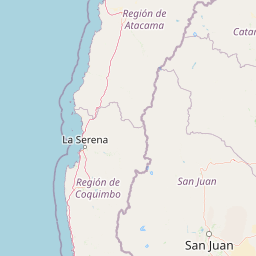

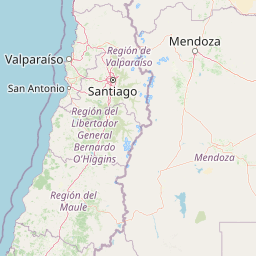
Map centered on the epicenter (-29.73, -71.70). Map data © OpenStreetMap contributors.
Sky & Solar Conditions at the Time
Moon: Last Quarter (62% illuminated), in Taurus.
Notable planetary angles: Jupiter trine Saturn (121°), Mars square Saturn (91°), Mercury sextile Mars (62°).
Concurrent space weather: planetary Kp index 1.3; strongest recent solar flare: nothing notable.
This is a factual snapshot, not a claim of cause and effect – researchers are divided on whether lunar, planetary or solar factors influence seismic or weather activity. It’s included so readers can track the pattern for themselves over time.
Earthquakes Within ~400 km, Past 30 Days
For context, here is other recent seismic activity in the surrounding region (M2.5+, via USGS):
| Date & Time (UTC) | Magnitude | Location |
|---|---|---|
| 2026-09-01 12:15 UTC | M4.6 | 79 km NW of Coquimbo, Chile |
| 2026-08-15 19:57 UTC | M4.3 | 42 km NNW of Vallenar, Chile |
Emergency number for Chile: 133 (police) / 131 (ambulance) (General guidance – always verify locally, as this can vary by region.)