
Cuba’s national electrical grid has suffered a complete collapse, leaving the entire country — roughly 11 million people — without power. Officials confirmed the nationwide blackout after a major failure disconnected the island’s power generation system, affecting homes, hospitals, water pumping stations, and communications across the country.
A grid collapse of this scale means the whole interconnected system shut down, not just one neighborhood or city. Restoring power after a full collapse is slow and delicate: operators must carefully bring generating plants back online one at a time, a process sometimes called a “black start,” which can take hours to days depending on available fuel, equipment condition, and staffing.
What readers might notice
If you have family, friends, or business contacts in Cuba, expect phone and internet communication to be unreliable or cut off entirely, as cell towers run on backup batteries that only last so long. Travelers to the island should anticipate disruptions to airports, hotels, and basic services. For readers elsewhere, this event does not affect power grids in the United States or other countries.
Cuba’s grid has been under strain for years due to aging infrastructure and fuel shortages, and it has experienced several partial and full collapses previously. There is no indication this event is connected to any geomagnetic storm or space weather activity — it appears to be an infrastructure failure, which is the most common cause of nationwide outages.
Practical pointers
If you have loved ones in Cuba, try messaging early while battery backups still hold, and don’t panic if contact goes quiet — that is expected during island-wide blackouts. If you are traveling to Cuba soon, check with your airline and accommodation about conditions before departure. For your own household, this is a good reminder to keep a basic outage kit ready: flashlights, battery banks, some cash, and a few days of water and food — large grid failures can happen anywhere.
This report is based on official statements and news reporting on Cuba’s national grid status; space weather data referenced by this site comes from NOAA’s Space Weather Prediction Center.
Frequently Asked Questions
Is this blackout connected to space weather or a geomagnetic storm?
No. There is no indication of geomagnetic activity tied to this event — it appears to be a failure of Cuba's aging power infrastructure and generation system, which has suffered similar collapses before.
How long until power is restored in Cuba?
Full grid collapses typically take hours to several days to resolve, because plants must be restarted one at a time in a careful sequence. Officials have not given a firm timeline, and past Cuban grid failures have sometimes taken multiple days to fully recover.
Why can't I reach my family in Cuba right now?
Cell towers and internet infrastructure depend on electricity, and their backup batteries only last a limited time during a nationwide outage. Loss of contact is expected in a collapse like this and does not by itself indicate anyone is in danger.
Could a blackout like this affect power in the United States?
No. Cuba's grid is entirely separate from the U.S. power system, so this failure poses no risk to electricity service in the United States or other countries.
Keep tracking this:
Source: globalbankingandfinance.com
Related Reading
Sky & Solar Conditions at the Time
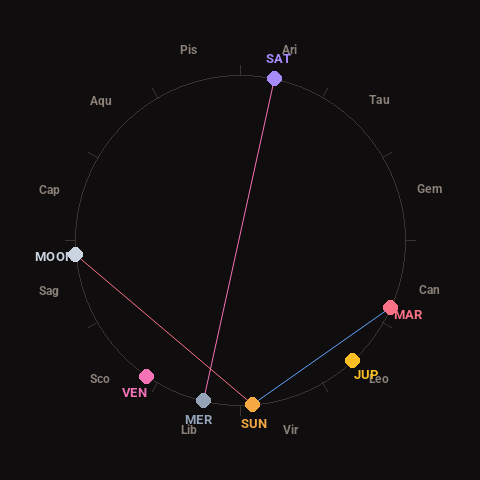
Moon: First Quarter (49% illuminated), in Sagittarius.
Notable planetary angles: Mercury opposite Saturn (180°), Sun square Moon (89°), Sun sextile Mars (61°).
Concurrent space weather: planetary Kp index 1.0; strongest recent solar flare: nothing notable.
This is a factual snapshot, not a claim of cause and effect – researchers are divided on whether lunar, planetary or solar factors influence seismic or weather activity. It’s included so readers can track the pattern for themselves over time.