
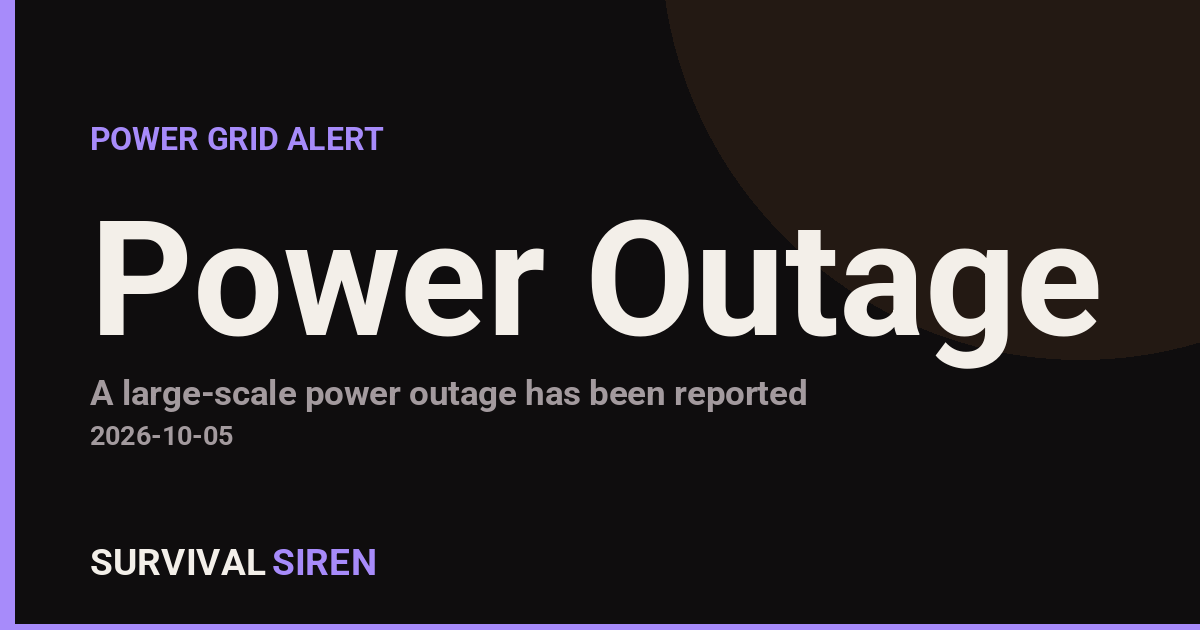
A large-scale power outage is affecting London, with thousands of homes and businesses reported to be without electricity. The disruption spans multiple areas, and utility engineers are working to identify the fault and restore supply. At this stage the exact cause has not been officially confirmed – widespread outages like this are most commonly triggered by equipment failures on the local distribution network, severe weather damaging lines or substations, or faults at a major grid connection point.
Residents in affected areas may notice more than just the lights going out. Traffic signals can fail, causing congestion and delays at junctions. Some train and Tube services may be disrupted if signalling or station systems lose power. Mobile phone masts have backup batteries, but coverage can degrade during long outages. Homes on electric heating or cooking will be without those services, and lifts in some buildings may stop working.
What to do and watch for
If you are affected: switch off sensitive electronics and leave one light on so you know when power returns. Keep fridge and freezer doors closed – a closed fridge keeps food cold for about four hours, a full freezer around 24-48 hours. Check on elderly or vulnerable neighbours, especially anyone relying on powered medical equipment. Use torches rather than candles where possible to reduce fire risk.
Watch-items for the coming hours: first, official updates from the local network operator (UK Power Networks covers much of London), which usually publish estimated restoration times on their live outage map. Second, whether the outage is localised or part of a wider regional fault – wider faults take longer to resolve. Third, if you depend on mains power for medical equipment, contact your network operator’s Priority Services line, as registered customers get extra support during outages.
Outage details for this event are based on live reporting and grid operator updates; broader grid and weather context is monitored via the UK’s Met Office and National Grid, with space-weather conditions tracked by NOAA where relevant.
Frequently Asked Questions
How long until power is restored in London?
No official restoration time has been confirmed yet for all affected areas. Network operators typically restore most customers within a few hours for local faults, but if a major substation or grid component is damaged, some areas could wait longer – check UK Power Networks' live outage map for your postcode.
Is this outage connected to space weather or a geomagnetic storm?
There is no indication at this stage that geomagnetic activity is the cause. Large urban outages are far more often due to equipment faults or weather damage, though we monitor NOAA space-weather data and will update if a geomagnetic storm is confirmed as a factor.
Is it safe to eat the food in my fridge and freezer?
A closed fridge keeps food safe for roughly four hours, and a full, closed freezer for 24-48 hours. If the outage lasts beyond that, discard perishable items like meat, dairy, and cooked leftovers that have warmed above fridge temperature.
What should I do right now if my home is without power?
Turn off or unplug sensitive appliances, keep fridge and freezer doors shut, use torches instead of candles, and check on vulnerable neighbours. If you or someone in your home relies on powered medical equipment, contact your network operator's Priority Services line immediately.
Keep tracking this:
Source: Balkanweb.com
Related Reading
Sky & Solar Conditions at the Time
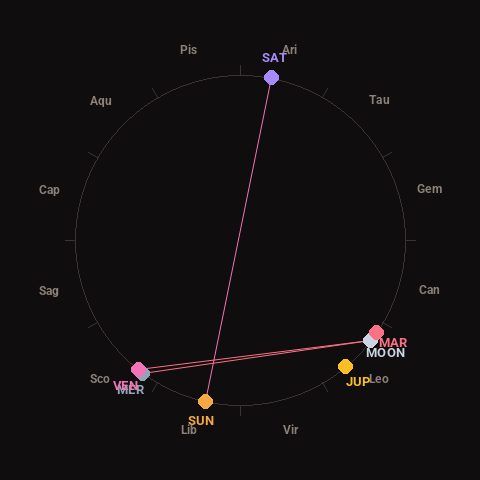
Moon: Waning Crescent (28% illuminated), in Leo.
Notable planetary angles: Moon square Venus (90°), Sun opposite Saturn (179°), Moon square Mercury (88°), Mercury conjunct Venus (2°).
Concurrent space weather: planetary Kp index 3.3; strongest recent solar flare: nothing notable.
This is a factual snapshot, not a claim of cause and effect – researchers are divided on whether lunar, planetary or solar factors influence seismic or weather activity. It’s included so readers can track the pattern for themselves over time.