
A powerful hurricane is bearing down on Mexico’s Pacific coast this week. Tropical Cyclone SIMON-26 has been active in the Eastern Pacific since October 7, 2026, and is expected to remain a threat through October 10. The system has reached maximum sustained winds of 250 km/h (about 155 mph) — well above the 119 km/h threshold for hurricane status, and strong enough to rank as a major hurricane capable of severe damage.
The Global Disaster Alert and Coordination System (GDACS), run by the EU Joint Research Centre, has classified this event as a Red alert, its highest level, indicating a potentially major humanitarian impact. An estimated 845,000 people in Mexico are expected to experience wind speeds of at least Category 1 strength (120 km/h or higher). GDACS rates Mexico’s overall vulnerability to this storm as Medium, meaning significant damage to buildings, power lines, and infrastructure is likely in the hardest-hit areas.
What readers in the region might notice
Residents along and near Mexico’s Pacific coast should expect destructive winds, torrential rain, flash flooding, and dangerous storm surge near the landfall area. Power outages, blocked roads, downed trees, and disruptions to flights and shipping are likely. Even areas well inland could see flooding rains as the system weakens over land.
Sensible steps to take now:
1. Follow evacuation orders from Mexican civil protection authorities (Protección Civil) immediately if issued for your area — do not wait.
2. Stock at least 72 hours of water, food, medications, flashlights, and batteries, and charge phones and power banks now.
3. Avoid coastal areas, river crossings, and low-lying roads during and after the storm — flash flooding is often the deadliest part of a hurricane.
Data for this alert comes from the GDACS system of the EU Joint Research Centre, with tropical cyclone tracking consistent with NOAA and National Hurricane Center reporting.
Frequently Asked Questions
How strong is SIMON-26 right now?
Maximum sustained winds have reached 250 km/h (about 155 mph), making it a major hurricane — strong enough to cause severe structural damage near its core.
Who is most at risk from this storm?
An estimated 845,000 people in Mexico are in the zone expected to see hurricane-force winds of at least 120 km/h, primarily in communities near the Pacific coast and inland along the storm's path.
What should I do right now if I'm in the affected area?
Follow instructions from Protección Civil, evacuate if ordered, secure loose outdoor items, and prepare at least 72 hours of water, food, and battery power before conditions deteriorate.
When will the danger pass?
The active alert window runs through October 10, 2026, but flooding, power outages, and road closures can persist for days after the strongest winds move through.
Keep tracking this:
Source: GDACS (EU Joint Research Centre)

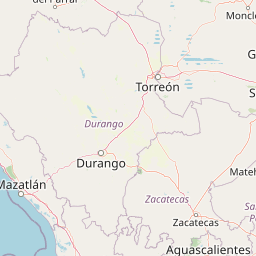
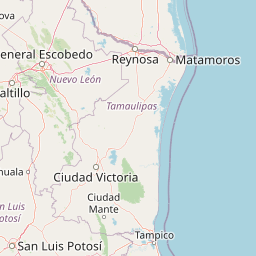

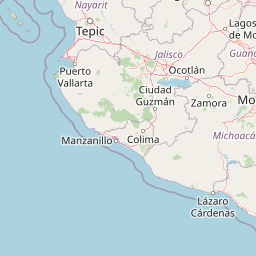
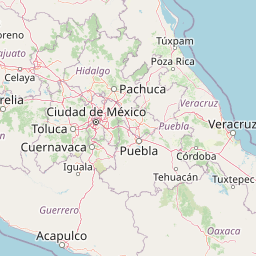


Map centered on the epicenter (16.80, -104.60). Map data © OpenStreetMap contributors.
Sky & Solar Conditions at the Time
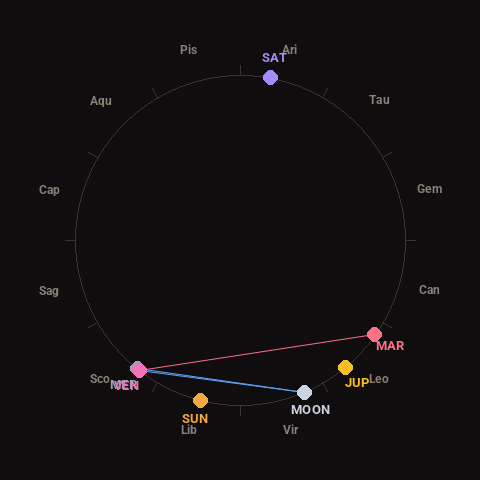
Moon: Waning Crescent (10% illuminated), in Virgo.
Notable planetary angles: Moon sextile Venus (61°), Mercury conjunct Venus (1°), Moon sextile Mercury (61°), Venus square Mars (93°).
Concurrent space weather: planetary Kp index 2.3; strongest recent solar flare: nothing notable.
This is a factual snapshot, not a claim of cause and effect – researchers are divided on whether lunar, planetary or solar factors influence seismic or weather activity. It’s included so readers can track the pattern for themselves over time.