
A large-scale power outage has hit Sri Lanka, knocking out electricity across the island nation. In an unusual step, grid authorities have asked owners of rooftop solar (photovoltaic, or PV) systems to temporarily disconnect their panels from the grid while crews work to restore power safely.
The request may sound alarming, but it is a standard grid-restoration measure. When a national grid collapses, operators must rebuild it section by section in a process sometimes called a “black start.” Thousands of small solar systems feeding power back into a dead grid can make that process harder and create safety risks for line workers, so operators ask homeowners to isolate their systems until the main grid is stable again.
Who is affected: Residents and businesses across Sri Lanka, including the capital Colombo. Widespread outages of this scale can disrupt water pumping, refrigeration, mobile networks, fuel stations, hospitals (most of which run on backup generators), and traffic signals. Travelers in the country should expect intermittent service and possible delays.
What readers might notice: If you are in Sri Lanka, expect extended power cuts, spotty mobile and internet service, and businesses operating on generators. If you have family or colleagues there, communication may be unreliable until the grid is fully restored.
What to watch and do
1. If you own a solar PV system in Sri Lanka: Follow the utility’s instruction and keep your system disconnected from the grid until officials give the all-clear. Reconnect only when announced.
2. Manage essentials: Keep phones charged when power is available, limit opening refrigerators and freezers (a closed fridge keeps food cold for roughly 4 hours; a full freezer about 48), and have flashlights ready rather than candles.
3. Check the cause as it develops: Large blackouts are most often caused by generation failures, transmission faults, or severe weather. Officials have not indicated a geomagnetic (solar storm) cause for this event; space-weather conditions would show up in NOAA’s alerts if that were a factor.
Data on geomagnetic conditions comes from NOAA’s Space Weather Prediction Center; outage details are reported by Sri Lanka’s national grid operator and local authorities.
Frequently Asked Questions
Why would a whole country lose power at once?
National grids are interconnected, so a major fault at a large power plant or key transmission line can cascade across the entire network before protective systems isolate it. Sri Lanka has experienced island-wide blackouts before from single-point failures.
Why are solar panel owners being told to disconnect?
During grid restoration, rooftop solar systems feeding power into a dead or unstable grid can interfere with the restart process and endanger repair crews. Disconnecting is a temporary safety measure until the grid is stable.
How long until power is restored?
Nationwide blackouts are typically restored in stages over several hours to a day, with critical facilities like hospitals prioritized first. Full stabilization can take longer, so residents should be prepared for rolling outages during recovery.
Is this connected to space weather or a solar storm?
There is no indication of a geomagnetic cause for this blackout, and NOAA has not flagged any storm capable of damaging power grids at this time. Most nationwide outages trace back to equipment failures, faults, or weather damage.
Keep tracking this:
Source: pv magazine India
Related Reading
Sky & Solar Conditions at the Time
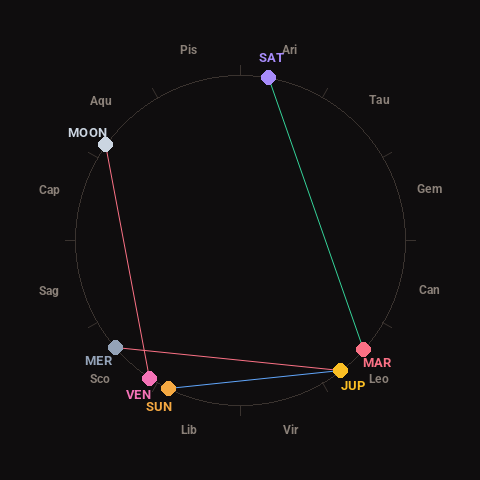
Moon: First Quarter (58% illuminated), in Aquarius.
Notable planetary angles: Mars trine Saturn (122°), Moon square Venus (92°), Mercury square Jupiter (87°), Sun sextile Jupiter (63°).
Concurrent space weather: planetary Kp index 0.3; strongest recent solar flare: nothing notable.
This is a factual snapshot, not a claim of cause and effect – researchers are divided on whether lunar, planetary or solar factors influence seismic or weather activity. It’s included so readers can track the pattern for themselves over time.