
The U.S. Department of State has issued a Worldwide Caution, urging Americans traveling or living abroad to exercise increased vigilance. Worldwide Cautions are broad advisories typically issued during periods of heightened global tension or conflict, and they ask travelers to stay alert, monitor local news, and keep their travel plans registered with the nearest U.S. embassy or consulate.
Alongside this global notice, the American Institute in Taiwan (AIT) in Taipei has issued a weather alert advising Americans in Taiwan of an approaching typhoon. Taiwan sits in one of the most typhoon-prone regions of the western Pacific, and storms there can bring destructive winds, flash flooding, landslides, and widespread transportation shutdowns, including flight cancellations at Taiwan Taoyuan International Airport and suspension of high-speed rail service.
What Readers Might Notice
If you have travel plans to or through Taiwan in the coming days, expect possible flight delays or cancellations, disrupted ground transportation, and temporary closures of businesses, schools, and government offices as the storm passes. Ferry services to outlying islands are typically suspended well ahead of a typhoon’s arrival. In Taipei and other cities, heavy rain can cause urban flooding, while mountainous areas face landslide risk.
For the broader Worldwide Caution, Americans anywhere abroad may notice increased security at airports, embassies, and public venues. This advisory is a standing reminder to stay aware of your surroundings rather than a warning about any single location.
Practical Steps
First, if you are in Taiwan, monitor Taiwan’s Central Weather Administration for storm track updates and follow instructions from local authorities, including any evacuation notices. Second, enroll in the State Department’s Smart Traveler Enrollment Program (STEP) so the embassy can reach you with alerts, and make sure family members know your itinerary. Third, if you have upcoming flights through Taipei, check directly with your airline before heading to the airport, as schedules can change quickly when a typhoon approaches.
This information is based on alerts issued by the U.S. Department of State and the American Institute in Taiwan, with typhoon tracking data available from Taiwan’s Central Weather Administration and NOAA.
Frequently Asked Questions
I'm traveling to Taipei soon. Should I cancel my trip?
Not necessarily, but check with your airline before departure since typhoons routinely cause flight cancellations and delays at Taoyuan Airport. Airlines typically offer free rebooking when a storm threatens, so monitor your flight status closely in the 24-48 hours before travel.
What should I do if I'm already in Taiwan when the typhoon hits?
Follow guidance from local authorities and Taiwan's Central Weather Administration, stay indoors during the storm's peak, and avoid low-lying and mountainous areas due to flooding and landslide risk. Stock up on water and essentials beforehand, as stores and transit often shut down during landfall.
Does the Worldwide Caution mean it's unsafe to travel anywhere right now?
No. A Worldwide Caution is a general reminder to stay vigilant during periods of heightened global tension, not a warning against all travel. Check the State Department's country-specific travel advisories for the destinations you actually plan to visit.
How can the U.S. embassy reach me during an emergency abroad?
Enroll in the free Smart Traveler Enrollment Program (STEP) before or during your trip. It registers your itinerary with the nearest U.S. embassy or consulate so they can send you alerts and assist during emergencies like typhoons or evacuations.
Keep tracking this:
Source: U.S. Department of State
Related Reading
Sky & Solar Conditions at the Time
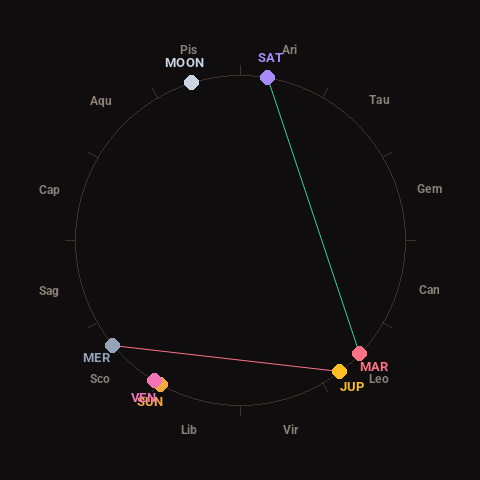
Moon: Waxing Gibbous (85% illuminated), in Pisces.
Notable planetary angles: Mercury square Jupiter (88°), Sun conjunct Venus (3°), Mars trine Saturn (124°).
Concurrent space weather: planetary Kp index 1.3; strongest recent solar flare: nothing notable.
This is a factual snapshot, not a claim of cause and effect – researchers are divided on whether lunar, planetary or solar factors influence seismic or weather activity. It’s included so readers can track the pattern for themselves over time.