
Last updated November 15, 2026 at 18:30 UTC. This page is updated in place as the situation changes, rather than published as a new article each time.
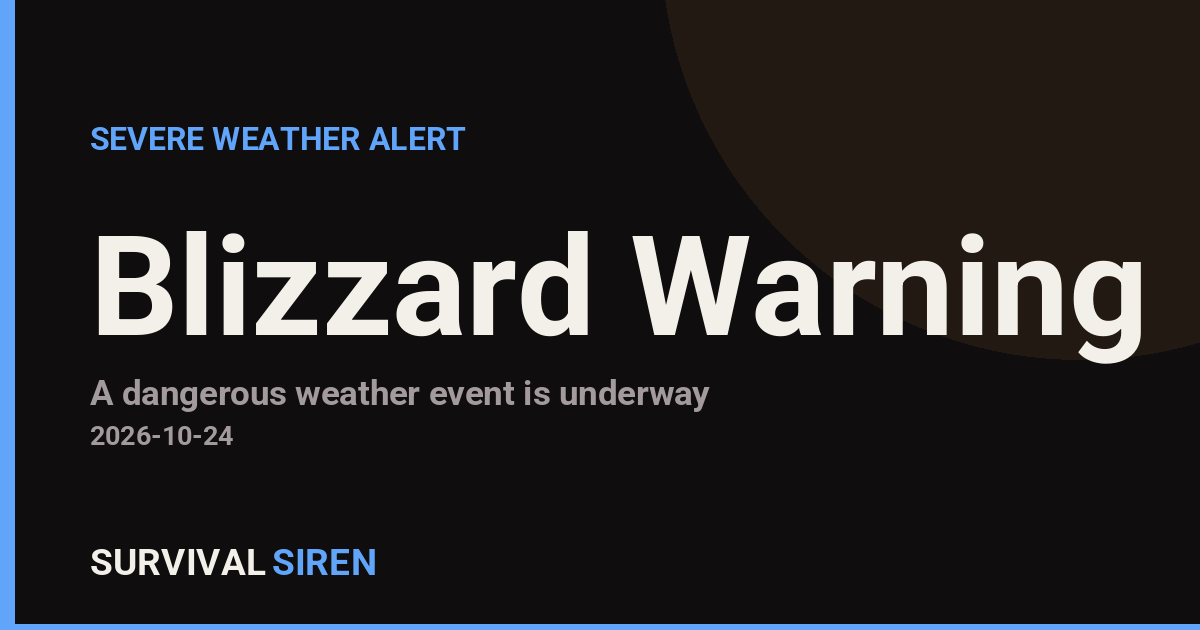
The National Weather Service office in Fairbanks, Alaska, issued a Blizzard Warning early this morning, November 15, at 6:34 AM AKST. The warning is in effect until 12:00 PM AKST today and covers two areas: the Central Beaufort Sea Coast and the Eastern Beaufort Sea Coast, along Alaska’s remote Arctic coastline.
A blizzard warning means that heavy or blowing snow combined with strong winds of 35 mph or greater is expected to reduce visibility to a quarter mile or less for at least three hours. In practical terms, conditions can quickly become whiteout, where it is nearly impossible to see the road, buildings, or landmarks just a short distance away.
Residents and workers in communities and industrial sites along the Beaufort Sea coast – including areas near Deadhorse, Prudhoe Bay, and Kaktovik – should expect dangerous travel conditions, drifting snow that can close roads, and wind chills that can cause frostbite on exposed skin in minutes. Flights into and out of small Arctic airfields are likely to be delayed or canceled while the warning is active.
What to watch for
Stay off the roads if possible. If travel is unavoidable, carry a winter survival kit: warm clothing, blankets, food, water, a charged phone, and a full fuel tank. Tell someone your route and expected arrival time.
Prepare for brief power or service interruptions. Strong winds can bring down lines or delay utility crews. Keep flashlights, extra batteries, and a way to heat at least one room safely.
Check for updates before midday. The warning is currently set to expire at noon AKST, but NWS Fairbanks may extend or expand it if conditions persist. Monitor local radio or official weather sources for the latest word.
This information comes directly from the National Weather Service (NWS) Fairbanks office, the official source for weather warnings in this region.
Frequently Asked Questions
What should I do right now if I'm in the warned area?
Stay indoors and avoid travel until conditions improve, as whiteout conditions can develop quickly. If you must be outside, dress in layered windproof clothing and limit time exposed to the wind chill.
How long will this blizzard last?
The warning is in effect until 12:00 PM AKST today, November 15, though NWS Fairbanks could extend it if blizzard conditions continue beyond that time.
Is it safe to drive the Dalton Highway or local roads?
Travel is strongly discouraged during a blizzard warning due to near-zero visibility and drifting snow. If you get stranded, stay with your vehicle, run the engine sparingly for heat, and keep the exhaust pipe clear of snow.
Will this affect flights in the area?
Small aircraft and regional flights serving Arctic communities and oil facilities are likely to face delays or cancellations while visibility is poor. Check with your air carrier before heading to the airstrip.
Update History
Earlier updates on this page, newest first:
- Nov 15, 2026 – Blizzard Warning – 3 Areas Affected (National Weather Service (NWS))
- Nov 14, 2026 – Blizzard Warning – 3 Areas Affected (National Weather Service (NWS))
- Nov 13, 2026 – Blizzard Warning – 3 Areas Affected (National Weather Service (NWS))
- Nov 12, 2026 – Blizzard Warning – 3 Areas Affected (National Weather Service (NWS))
- Nov 11, 2026 – Blizzard Warning – 3 Areas Affected (National Weather Service (NWS))
- Nov 11, 2026 – Blizzard Warning – 2 Areas Affected (National Weather Service (NWS))
- Nov 10, 2026 – Blizzard Warning – 3 Areas Affected (National Weather Service (NWS))
- Nov 9, 2026 – Blizzard Warning: Thompson Pass (National Weather Service (NWS))
- Oct 24, 2026 – Blizzard Warning in Effect for Northwest Alaska Coastal Areas Until Friday Morning
- Oct 23, 2026 – Blizzard Warning Issued for Alaska's Western Arctic and Seward Peninsula Coasts
- Oct 22, 2026 – Blizzard Warning Issued for Western Alaska Coast Through Early Friday
- Oct 21, 2026 – Blizzard Warning Issued for Western Alaska Coast and Seward Peninsula Through Early Friday
Keep tracking this:
Source: National Weather Service (NWS)
Related Reading
- Top 10 YouTube Videos on Boarding Up Windows for a Hurricane
- Emergency Communication: Staying Connected When Towers Go Down
- Earthquake Survival: Precautions, Kit & Early Warning in 2026
Sky & Solar Conditions at the Time
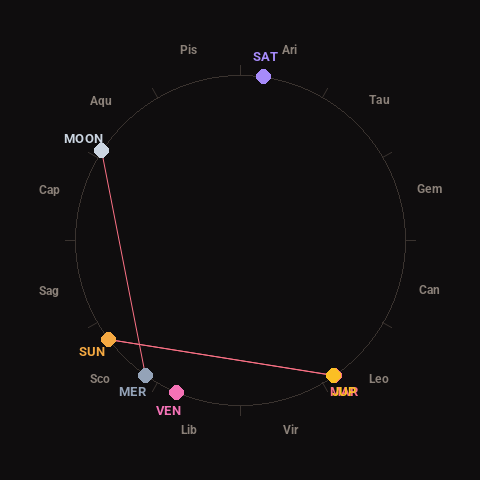
Moon: First Quarter (33% illuminated), in Aquarius.
Notable planetary angles: Mars conjunct Jupiter (0°), Moon square Mercury (88°), Sun square Mars (88°), Sun square Jupiter (87°).
Concurrent space weather: planetary Kp index 1.0; strongest recent solar flare: nothing notable.
This is a factual snapshot, not a claim of cause and effect – researchers are divided on whether lunar, planetary or solar factors influence seismic or weather activity. It’s included so readers can track the pattern for themselves over time.