
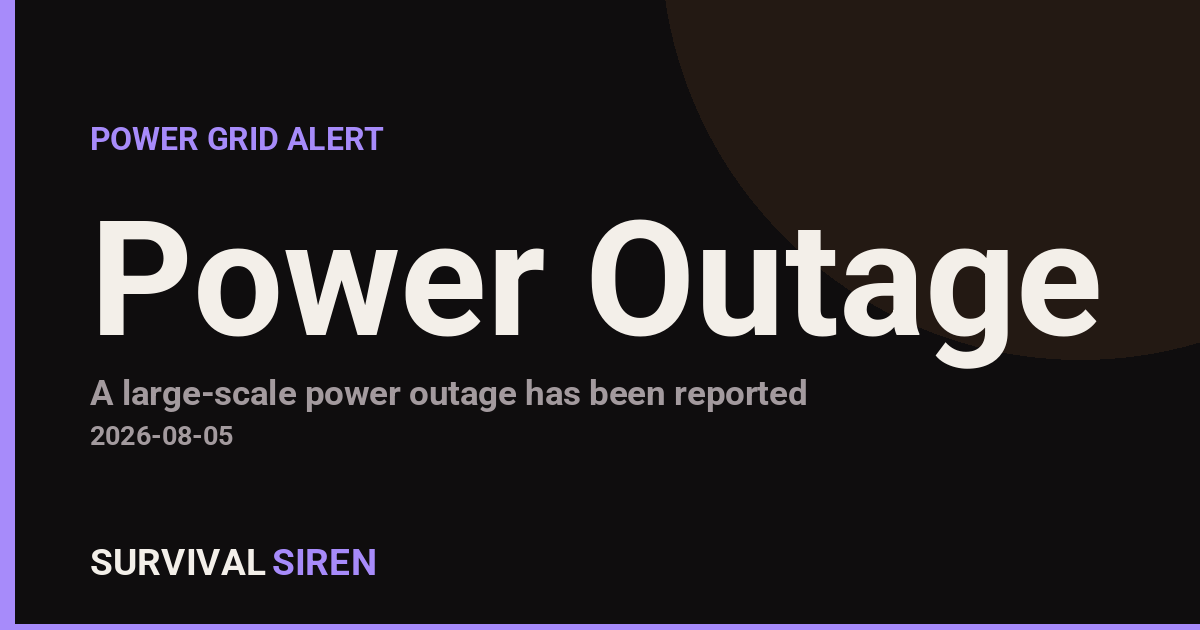
A significant nationwide power outage is affecting Cuba today—the sixth island-wide blackout this year. While multiple factors can trigger large-scale outages, including aging infrastructure and severe weather, space weather experts monitor these events closely because strong geomagnetic storms can induce dangerous electrical currents in power transformers, potentially causing widespread grid failures.
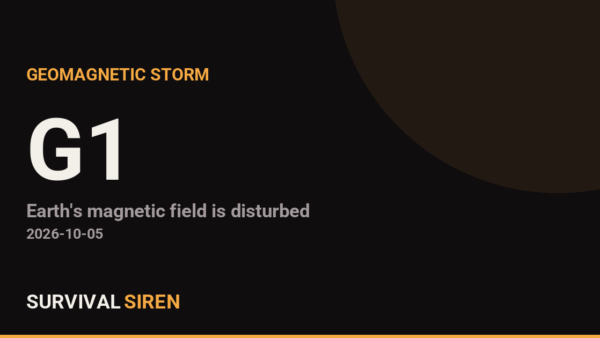
Geomagnetic storms occur when solar wind and magnetic energy from the sun reach Earth’s magnetosphere. During severe events (rated G4 or G5 on NOAA’s scale), the resulting geomagnetic disturbances can damage transformer components and trip protective systems across entire regions, sometimes simultaneously. Cuba’s repeated outages this year highlight how vulnerable electrical grids can be to both terrestrial and space weather threats.
Who is affected: Cubans are experiencing the immediate impact, with hospitals, businesses, and households without power. For readers elsewhere, this serves as a real-world reminder that geomagnetic storms don’t respect borders—they can affect any grid system, anywhere on Earth.
What you might notice during a geomagnetic storm: Brief power flickers, dimming lights, or temporary outages. GPS and radio signals may also experience disruptions. These signs often precede larger cascading failures if the storm intensifies.
Sensible Preparedness Steps
1. Check your local grid’s resilience: Many utilities now publish their space weather preparedness plans. Know whether your provider has transformer backups and surge protection in place.
2. Keep emergency basics on hand: A 72-hour kit with water, non-perishable food, flashlights, and a battery-powered radio costs little and covers both space weather and other outage scenarios.
3. Monitor space weather forecasts regularly: NOAA issues 3-day forecasts. When G3 or higher storms are predicted, charge devices and fill water containers as precautions.
Today’s outage underscores why space weather awareness matters. Real-time data and forecasts from NOAA help us understand these risks—check the live dashboard at https://survivalsiren.com/spaceweather/feed.html for current geomagnetic activity.
Source: Scripps News
Sky & Solar Conditions at the Time
Moon: Last Quarter (58% illuminated), in Taurus.
Notable planetary angles: Sun trine Saturn (118°), Venus square Mars (93°), Moon square Jupiter (94°).
Concurrent space weather: planetary Kp index 1.3; strongest recent solar flare: nothing notable.
This is a factual snapshot, not a claim of cause and effect – researchers are divided on whether lunar, planetary or solar factors influence seismic or weather activity. It’s included so readers can track the pattern for themselves over time.
1 Comment