
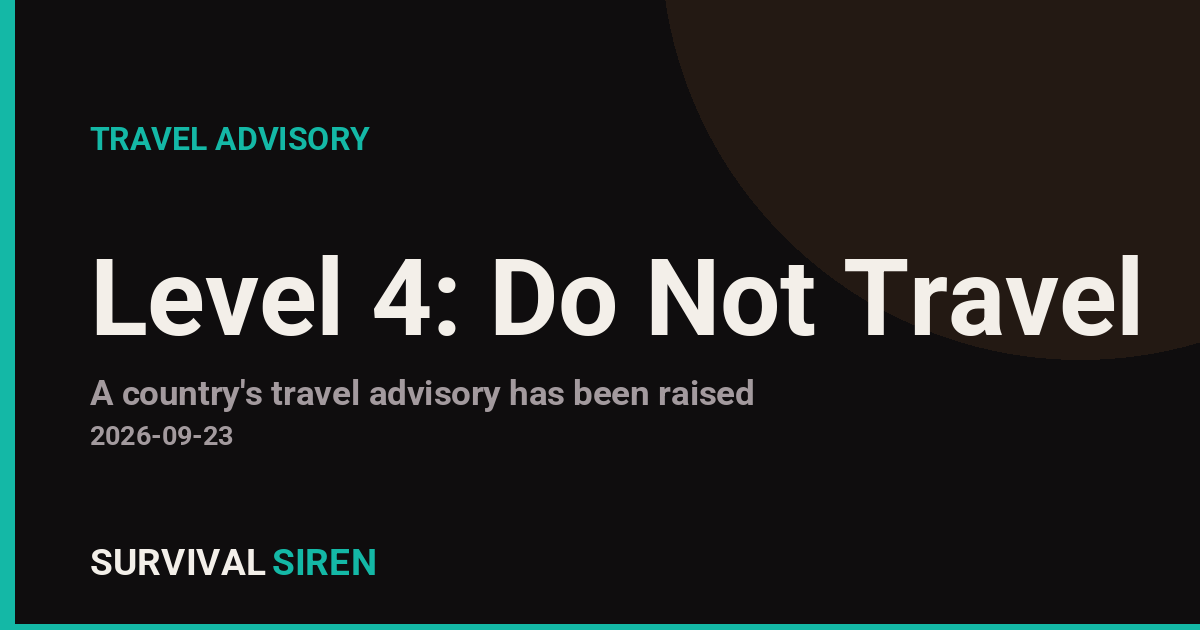
The U.S. State Department has raised its travel advisory for Gaza to Level 4, the highest and most serious tier on its four-level scale. Level 4 means “Do Not Travel” under any circumstances. The escalation is based on ongoing terrorism risks, civil unrest, and severely limited health infrastructure in the territory.
According to the advisory, U.S. government employees are now prohibited from traveling to Gaza for any reason due to safety risks. The State Department also notes it is unable to provide routine or emergency consular services to U.S. citizens in Gaza, meaning Americans who are already there cannot count on embassy assistance if something goes wrong.
The advisory cites specific, ongoing threats: terrorist groups, lone-actor terrorists, and other violent extremists continue to plot possible attacks in Gaza. Public areas, transportation hubs, markets, and tourist sites are typical target categories in such environments, and the security situation can change quickly without warning.
Who is affected: any U.S. citizen considering travel to the region, Americans with family or aid work connections in Gaza, journalists and humanitarian workers planning deployments, and travelers transiting nearby areas who might have considered crossing into the territory. Travel insurance policies are frequently voided by Level 4 advisories, so anyone with existing plans should check coverage immediately.
What to keep in mind
First, if you have travel planned to Gaza or surrounding areas, cancel or postpone. No trip is worth entering an area where the U.S. government cannot reach you in an emergency. Second, U.S. citizens currently in Gaza should review their personal safety plans and departure options while commercial or border crossing routes remain available; enroll in the State Department’s Smart Traveler Enrollment Program (STEP) so officials can reach you with updates. Third, monitor the advisory level before any future travel to the broader region, as conditions in neighboring areas can shift quickly in response to events in Gaza.
Level 4 advisories are reviewed regularly and can be raised or lowered as conditions change. Until the security situation improves meaningfully, this designation should be treated as a firm and serious directive.
This information comes from the U.S. Department of State’s Bureau of Consular Affairs travel advisory system.
Frequently Asked Questions
What does Level 4 actually mean?
Level 4 is the State Department's highest advisory tier and means "Do Not Travel" for any reason. It is issued when the risk of life-threatening danger is considered severe and the U.S. government has very limited or no ability to help citizens there.
I'm a U.S. citizen already in Gaza – can the embassy help me leave?
The State Department states it cannot provide routine or emergency consular services in Gaza, so you should not rely on embassy evacuation or assistance. Enroll in the STEP program to receive official alerts and pursue available border crossing or departure options on your own.
Will my travel insurance cover a trip to Gaza now?
Most standard travel insurance policies exclude or void coverage for destinations under a Level 4 "Do Not Travel" advisory. Contact your insurer directly, but assume existing coverage for Gaza is likely invalid.
Does this advisory affect travel to Israel or neighboring areas?
This specific escalation applies to Gaza; Israel, the West Bank, and nearby countries carry their own separate advisory levels. Check the current advisory for each specific destination before booking or traveling.
Keep tracking this:
Source: U.S. Department of State
Related Reading
Sky & Solar Conditions at the Time
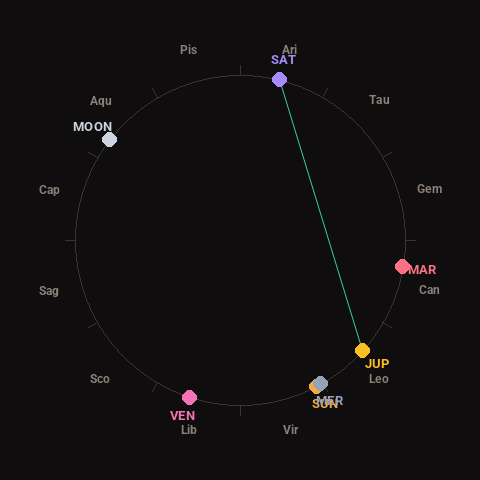
Moon: Waxing Gibbous (95% illuminated), in Aquarius.
Notable planetary angles: Jupiter trine Saturn (118°), Sun conjunct Mercury (2°).
Concurrent space weather: planetary Kp index 0.3; strongest recent solar flare: nothing notable.
This is a factual snapshot, not a claim of cause and effect – researchers are divided on whether lunar, planetary or solar factors influence seismic or weather activity. It’s included so readers can track the pattern for themselves over time.