
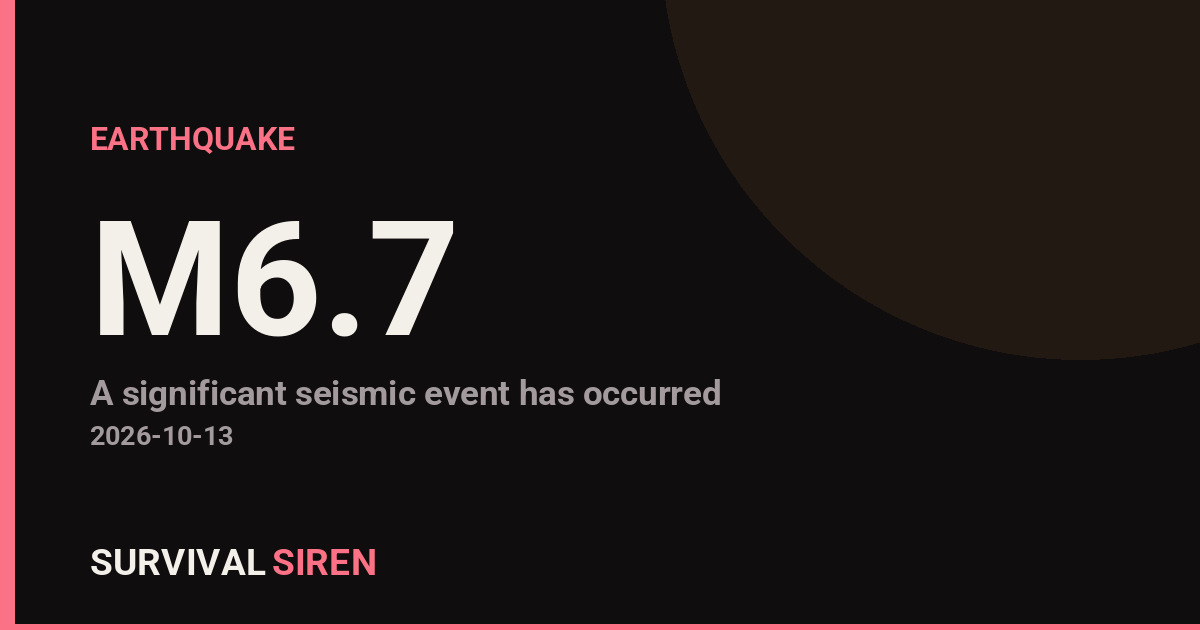
A magnitude 6.7 earthquake struck the central Mid-Atlantic Ridge at a depth of about 10 kilometers, according to the U.S. Geological Survey. The Mid-Atlantic Ridge is an underwater mountain chain running down the center of the Atlantic Ocean, where two of Earth’s tectonic plates are slowly pulling apart. Earthquakes are common along this boundary, and this one occurred far from any coastline.
The nearest major population center, Lagos, Nigeria, sits roughly 2,673 kilometers from the epicenter. At that distance, shaking from this event would not be felt on land. There are no reports of damage, and none are expected — the quake occurred in open ocean, far from buildings, infrastructure, or populated islands.
This is at least the fifth magnitude 5.0 or greater earthquake recorded within about 300 kilometers of this location over the past year. That pattern is not unusual for the Mid-Atlantic Ridge, which is one of the most seismically active features on the planet. The plates there move apart by a few centimeters each year, and that motion regularly produces moderate-to-strong earthquakes along the ridge.
What to watch for
First, official tsunami assessments. Earthquakes this size in the ocean always prompt an automatic evaluation by tsunami warning centers, but ridge earthquakes are typically caused by sideways or spreading fault motion, which rarely displaces enough seafloor to generate a tsunami. Any official alert would come from government warning centers, not social media.
Second, possible aftershocks. Earthquakes of this magnitude commonly produce smaller follow-up quakes over the following days, but given the remote ocean location, these would also pose no risk to land.
Third, if you live in a coastal area, this event is a good reminder to know your local tsunami evacuation routes and to make sure you are signed up for official emergency alerts — useful knowledge even though this particular quake poses no threat.
This report is based on earthquake data from the U.S. Geological Survey (USGS).
Frequently Asked Questions
Was this earthquake felt in Africa or South America?
No. The epicenter is roughly 2,673 km from Lagos, Nigeria, the nearest major city, which is far too distant for any shaking to be felt on land.
Could this earthquake cause a tsunami?
Mid-Atlantic Ridge earthquakes are usually caused by spreading or sideways fault motion, which rarely displaces enough seafloor to generate a tsunami. Tsunami warning centers automatically assess every ocean quake of this size, and no threat has been indicated.
Are aftershocks likely?
Yes, earthquakes of magnitude 6.7 typically produce smaller aftershocks over the following days. However, these would occur in the same remote ocean area and pose no risk to coastal communities.
Is this earthquake a sign of something bigger coming?
No. The Mid-Atlantic Ridge is one of the most seismically active regions on Earth, and this is at least the fifth magnitude 5.0+ quake in the area this year. Clusters like this are normal for the ridge and do not signal a larger event elsewhere.
Keep tracking this:
Source: USGS
Related Reading
- Global Seismic Stress Report: Southern Ocean Activity Rises While Six Segments Go Quiet
- Earthquake Survival: Precautions, Kit & Early Warning in 2026
- Analyzing Low-Radiation Nuclear Explosions: Tactical Assessments and Survival Strategies
Reported Impact
USGS’s automated PAGER system currently estimates a Green alert level (minimal expected casualties or damage).
Impact figures are from USGS as of when this alert was generated and can rise as more reports come in – this is not a final damage assessment.


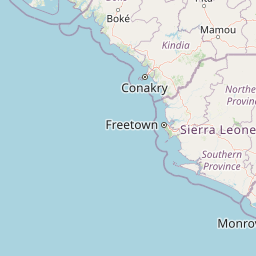






Map centered on the epicenter (0.17, -19.86). Map data © OpenStreetMap contributors.
Sky & Solar Conditions at the Time
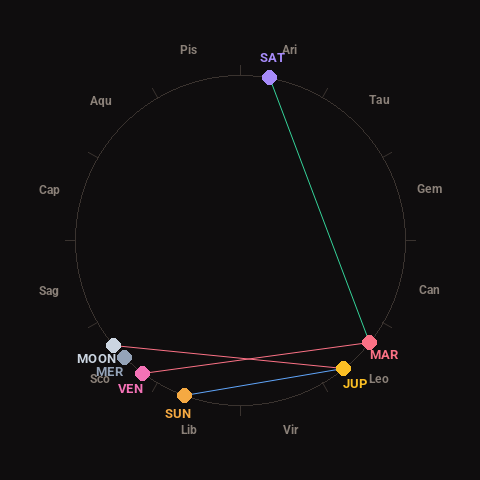
Moon: Waxing Crescent (7% illuminated), in Scorpio.
Notable planetary angles: Moon square Jupiter (89°), Sun sextile Jupiter (58°), Mars trine Saturn (118°), Venus square Mars (88°).
Concurrent space weather: planetary Kp index 3.3; strongest recent solar flare: nothing notable.
This is a factual snapshot, not a claim of cause and effect – researchers are divided on whether lunar, planetary or solar factors influence seismic or weather activity. It’s included so readers can track the pattern for themselves over time.
Earthquakes Within ~400 km, Past 30 Days
For context, here is other recent seismic activity in the surrounding region (M2.5+, via USGS):
| Date & Time (UTC) | Magnitude | Location |
|---|---|---|
| 2026-10-05 01:18 UTC | M5.3 | central Mid-Atlantic Ridge |