
Hundreds of flights have been canceled as a strong nor’easter moves through the northeastern United States, disrupting operations at major airports along the East Coast. Airlines began preemptively scrubbing flights as the storm brought a combination of heavy snow, strong winds, and poor visibility to some of the country’s busiest air corridors.
A nor’easter is a powerful storm that travels up the Atlantic coast, driven by winds from the northeast. These storms can produce blizzard conditions, coastal flooding, and wind gusts strong enough to make flying unsafe or impossible. When a storm this size parks itself over the Northeast, the ripple effects are felt nationwide, because aircraft and crews scheduled to fly through cities like New York, Boston, and Philadelphia can’t get where they need to go.
What travelers may notice
Passengers flying to, from, or through Northeast airports should expect cancellations, long delays, and crowded rebooking lines. Even travelers whose routes don’t touch the region may see schedule changes, since airlines reposition planes and crews throughout their networks. If you are flying today or tomorrow, check your flight status before leaving for the airport — airlines are typically waiving change fees during events like this, allowing free rebooking.
Road travel in the affected region may also be hazardous, with snow-covered highways, reduced visibility, and possible closures, so anyone driving to an airport should allow significant extra time or reconsider the trip.
Practical steps to take now: first, sign up for text or app alerts from your airline so you learn about changes immediately. Second, if your flight is canceled, rebook through the airline’s app or website rather than waiting in line at the airport — it’s usually much faster. Third, keep essentials like medications, chargers, and a change of clothes in your carry-on in case you’re stranded overnight.
The storm is expected to move offshore after passing through the region, and airline schedules typically recover within one to two days once conditions improve, though backlogs can linger. Data and forecasts for this storm come from the National Weather Service (NWS), with flight status information reported by airlines and the Federal Aviation Administration.
Frequently Asked Questions
My flight doesn't go anywhere near the Northeast — could it still be affected?
Yes. Airlines share aircraft and crews across their networks, so a plane stuck in Boston or New York can delay a flight in another part of the country. Check your flight status even if your route seems unaffected.
Can I get a refund or rebook without fees?
Most major airlines issue travel waivers during big storms, letting you rebook for free or request a refund if your flight is canceled. Check your airline's website or app for the waiver tied to this storm.
How long will the disruptions last?
Cancellations are typically heaviest while the storm is overhead, with schedules normalizing within one to two days after it moves offshore. Some backlog-related delays can linger a bit longer as airlines reposition crews and planes.
Should I still drive to the airport?
Only after confirming your flight is still operating, and only if road conditions are safe — nor'easters often bring snow-covered roads and poor visibility. If conditions are bad where you are, contact your airline about rebooking instead of risking the trip.
Keep tracking this:
Source: boston25news.com
Related Reading
Sky & Solar Conditions at the Time
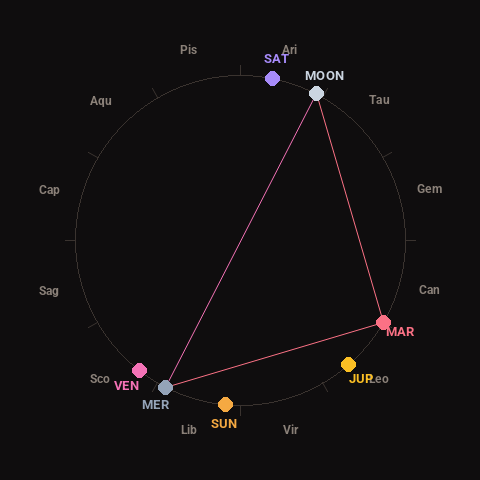
Moon: Waning Gibbous (96% illuminated), in Aries.
Notable planetary angles: Moon opposite Mercury (179°), Moon square Mars (92°), Mercury square Mars (87°).
Concurrent space weather: planetary Kp index 1.0; strongest recent solar flare: nothing notable.
This is a factual snapshot, not a claim of cause and effect – researchers are divided on whether lunar, planetary or solar factors influence seismic or weather activity. It’s included so readers can track the pattern for themselves over time.