
The Federal Aviation Administration (FAA) has issued a temporary ground stop at Los Angeles International Airport (LAX) because of thunderstorms moving through the area. A ground stop means flights headed to LAX are being held at their departure airports, and departures from LAX may be paused or delayed while the storms pass.
LAX is one of the busiest airports in the world, handling well over a thousand flights on a typical day, so even a short ground stop creates a ripple effect. Travelers across the country may notice delays or cancellations on flights connecting through or bound for Los Angeles, even if the weather where they are is perfectly clear.
What readers might notice
If you are flying today, expect departure boards showing growing delays on LAX-related routes, possible gate holds before boarding, and longer-than-usual wait times on airline customer service lines. If you are picking someone up from LAX, their arrival time may shift by hours, so check the flight status before leaving home.
Ground stops for thunderstorms are a routine safety measure. Lightning on or near the airfield pauses ramp operations (baggage loading, fueling, and pushback) to protect ground crews, and storm cells along arrival and departure routes force air traffic controllers to space aircraft farther apart, slowing the entire flow.
Practical pointers:
1. Check your flight status before heading to the airport. Use your airline’s app or website for the most current information, and sign up for text or push alerts if you have not already.
2. If your flight is canceled, rebook through the app first. It is almost always faster than waiting in line at the airport, and many airlines will automatically offer rebooking options during weather events.
3. Know your options. Weather-related disruptions generally do not entitle passengers to meal or hotel vouchers, but airlines typically rebook you on the next available flight at no extra cost. Build buffer time into any tight connections or time-sensitive plans.
Ground stops tied to thunderstorms are usually lifted once storms move out of the area, though the backlog of delayed flights can take several additional hours to clear.
Data for this alert comes from FAA air traffic advisories and National Weather Service (NWS) weather observations for the Los Angeles area.
Frequently Asked Questions
Why was LAX shut down?
The FAA issued a temporary ground stop because thunderstorms moved through the Los Angeles area. Lightning near the airfield pauses ground operations for safety, and storms along flight routes force air traffic controllers to slow arrivals and departures.
My flight is not going to Los Angeles – could I still be affected?
Possibly, yes. When a major hub like LAX slows down, aircraft and crews end up out of position, which can cause delays on unrelated routes later in the day. Check your specific flight status with your airline.
How long will the ground stop last?
Thunderstorm-related ground stops typically last until the storms clear the area, often one to a few hours. However, the resulting backlog of delayed flights can take several more hours to work through.
Will I get compensation if my flight is canceled?
Because this is a weather event, airlines are generally not required to provide hotel or meal vouchers. They will typically rebook you on the next available flight at no charge, and rebooking through the airline's app is usually the fastest option.
Keep tracking this:
Source: ABC7 Los Angeles
Related Reading
Sky & Solar Conditions at the Time
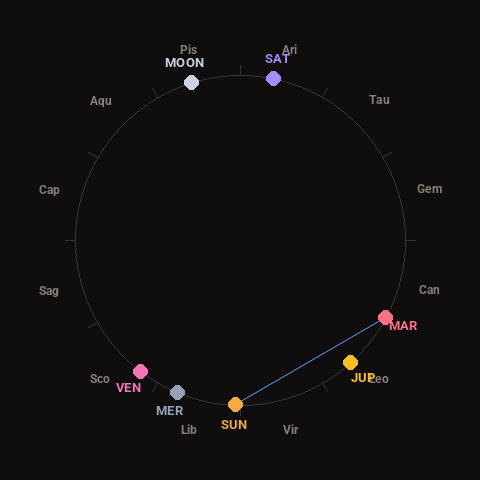
Moon: Full Moon (97% illuminated), in Pisces.
Notable planetary angles: Sun sextile Mars (64°).
Concurrent space weather: planetary Kp index 3.7; strongest recent solar flare: nothing notable.
This is a factual snapshot, not a claim of cause and effect – researchers are divided on whether lunar, planetary or solar factors influence seismic or weather activity. It’s included so readers can track the pattern for themselves over time.