
A magnitude 6.1 earthquake struck offshore early today, centered about 156 kilometers southeast of Hasaki, Japan, on the country’s Pacific coast. The U.S. Geological Survey reports the quake occurred at a shallow depth of roughly 10 kilometers, which means the energy had less distance to travel before reaching the surface and seafloor.
Because the epicenter was offshore, shaking on land would have been noticeably weaker than at the source. People in Chiba Prefecture and surrounding coastal areas may have felt moderate to strong shaking, and light to moderate shaking was likely felt as far away as the Tokyo area, roughly 246 kilometers from the epicenter. At this distance, significant damage in Tokyo is unlikely, though tall buildings can sway noticeably even from distant quakes of this size.
Earthquakes in the magnitude 6 range can cause significant damage to vulnerable structures near the epicenter, but in this case the nearest land is more than 150 kilometers away, which substantially lowers the risk onshore. Some minor coastal effects, such as unusual wave activity, are possible after offshore shallow quakes.
What to watch for
This region has been seismically active — this is at least the ninth magnitude 5.0 or stronger earthquake recorded within about 300 kilometers of this location in the past year. Aftershocks are common after a quake of this size, and some could be felt onshore over the coming days. Residents in coastal Japan should follow guidance from local authorities, secure heavy furniture and objects at home, and keep basic emergency supplies handy. If you live along the coast and feel strong or prolonged shaking, move to higher ground as a precaution without waiting for an official alert.
Data for this alert comes from the U.S. Geological Survey (USGS) earthquake monitoring network.
Frequently Asked Questions
Was this earthquake felt in Tokyo?
Yes, light to moderate shaking was likely felt in Tokyo, about 246 km from the epicenter, especially in taller buildings. At that distance, damage is unlikely.
Is a tsunami possible from this quake?
The quake was shallow and offshore, so authorities typically assess tsunami potential after events like this. A magnitude 6.1 is below the size usually associated with destructive tsunamis, but coastal residents should follow any guidance from Japan's meteorological agency.
Are aftershocks likely?
Yes, aftershocks commonly follow magnitude 6 earthquakes and could continue for days or weeks. Most will be smaller, but some may be strong enough to feel onshore.
Is this area normally this active?
Yes — this is at least the ninth magnitude 5.0 or stronger quake within about 300 km of this spot in the past year, reflecting ongoing activity along the Japan trench region.
Keep tracking this:
Source: USGS
Related Reading
- Bug Out Bags: What the Best-Selling 72-Hour Kits on Amazon Actually Deliver
- Top 10 YouTube Videos on How to Prepare for an Earthquake
- Global Seismic Stress Report: Southern Ocean Activity Rises While Six Segments Go Quiet

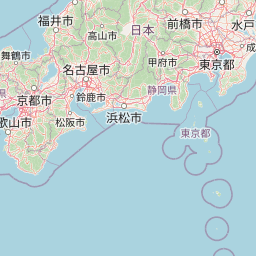




Map centered on the epicenter (34.92, 142.24). Map data © OpenStreetMap contributors.
Sky & Solar Conditions at the Time
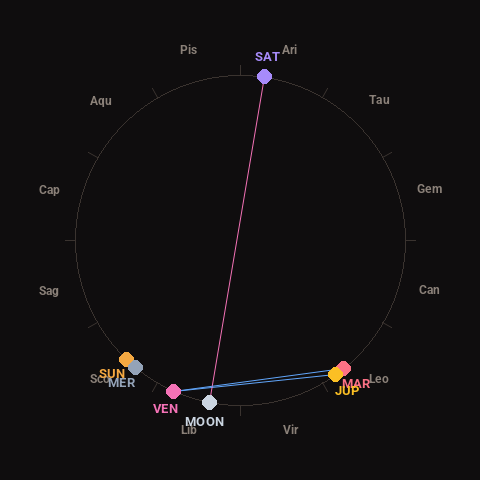
Moon: Waning Crescent (8% illuminated), in Libra.
Notable planetary angles: Venus sextile Jupiter (59°), Moon opposite Saturn (178°), Venus sextile Mars (63°), Mars conjunct Jupiter (4°).
Concurrent space weather: planetary Kp index 2.7; strongest recent solar flare: nothing notable.
This is a factual snapshot, not a claim of cause and effect – researchers are divided on whether lunar, planetary or solar factors influence seismic or weather activity. It’s included so readers can track the pattern for themselves over time.
Earthquakes Within ~400 km, Past 30 Days
For context, here is other recent seismic activity in the surrounding region (M2.5+, via USGS):
| Date & Time (UTC) | Magnitude | Location |
|---|---|---|
| 2026-11-05 18:05 UTC | M4.6 | 36 km E of Watari, Japan |
| 2026-11-03 05:40 UTC | M4.8 | 6 km S of Asahi, Japan |
| 2026-10-31 00:32 UTC | M4.5 | 223 km SE of Katsuura, Japan |
| 2026-10-28 20:22 UTC | M4.3 | 10 km SSE of Hasaki, Japan |
| 2026-10-28 18:32 UTC | M4.7 | 6 km N of Asahi, Japan |
| 2026-10-28 15:07 UTC | M5.5 | 5 km ESE of Asahi, Japan |
| 2026-10-27 01:17 UTC | M4.6 | 203 km SSE of Tateyama, Japan |
| 2026-10-27 00:25 UTC | M4.7 | 40 km E of Namie, Japan |
| 2026-10-25 06:04 UTC | M4.5 | 74 km SSE of Onagawa Chō, Japan |
| 2026-10-21 01:04 UTC | M4.2 | 8 km SSE of Shiroi, Japan |
| 2026-10-15 05:10 UTC | M4.2 | 9 km W of Ōami, Japan |
| 2026-10-15 02:05 UTC | M4.5 | 97 km ESE of Takahagi, Japan |
| 2026-10-12 11:05 UTC | M4.1 | 274 km ESE of Onagawa Chō, Japan |
| 2026-10-11 16:24 UTC | M4.7 | 4 km SE of Narutō, Japan |
| 2026-10-08 04:41 UTC | M4.6 | 129 km ESE of Iwaki, Japan |
| 2026-10-07 22:14 UTC | M4.3 | 3 km SSW of Funaishikawa, Japan |
| 2026-10-07 19:36 UTC | M4.5 | 22 km S of Hasaki, Japan |
| 2026-10-07 19:13 UTC | M4.9 | 6 km SSW of Asahi, Japan |
| 2026-10-07 00:22 UTC | M4.5 | 25 km ESE of Iwaki, Japan |
Emergency number for Japan: 110 (police) / 119 (fire & ambulance) (General guidance – always verify locally, as this can vary by region.)