
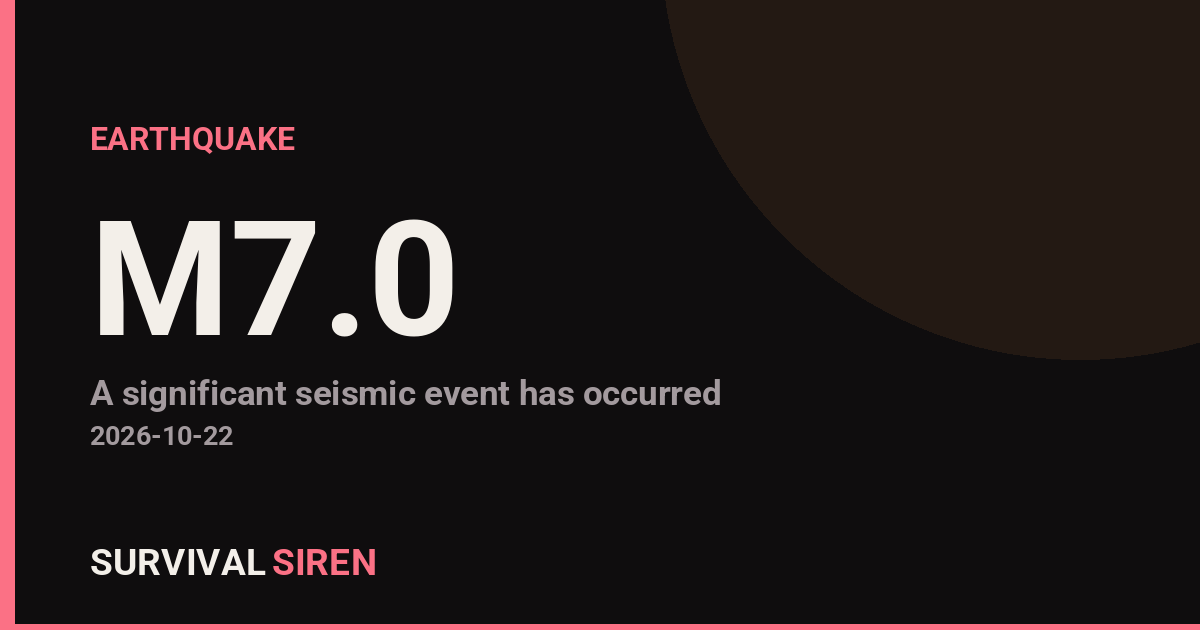
A strong magnitude 7.0 earthquake struck a remote area of eastern Tibet early today, about 183 kilometers east-northeast of Nagqu, China, according to the U.S. Geological Survey. The quake occurred at a shallow depth of roughly 10 kilometers, which typically means stronger shaking at the surface near the epicenter.
This is the most significant seismic event in the region in some time – no magnitude 5.0 or greater earthquake has been recorded within about 300 kilometers of this location in the past year. The epicentral area is sparsely populated high plateau, which may limit the number of people exposed to the strongest shaking, though magnitude 7.0 quakes are capable of causing serious damage to buildings, roads, and infrastructure near the epicenter.
What people may notice
Shaking was likely felt strongly in Nagqu and surrounding communities, and moderate shaking may have been felt hundreds of kilometers away. The nearest major population center, Guwahati, India, sits about 715 kilometers from the epicenter – at that distance, shaking would generally be light to weak and damage is unlikely, though tall buildings can sometimes amplify distant quakes.
Aftershocks are a near certainty after an earthquake of this size. Some may be strong enough to cause additional damage to already weakened structures, and they can continue for days to weeks.
Preparedness pointers
If you are in the affected region: expect aftershocks and stay out of damaged buildings until they are inspected. Check on neighbors, especially the elderly, and be ready for possible disruptions to roads, power, and communications in remote mountain areas. Keep shoes, a flashlight, and water within reach at night in case shaking resumes. Travelers in the region should verify road conditions before moving through mountain passes, where landslides are a real risk after strong shaking.
Data in this report comes from the U.S. Geological Survey (USGS) earthquake monitoring network.
Frequently Asked Questions
Was this earthquake felt in major cities?
The nearest major city, Guwahati, India, is about 715 km away – people there may have felt light shaking, especially in taller buildings, but damage at that distance is unlikely. The strongest shaking was concentrated in the sparsely populated region near Nagqu.
Is a tsunami possible from this earthquake?
No. This earthquake occurred inland on the Tibetan Plateau, far from any ocean, so there is no tsunami threat.
Will there be aftershocks?
Yes. A magnitude 7.0 earthquake is almost always followed by aftershocks, some potentially strong, and they can continue for days or weeks. People in the affected area should stay clear of damaged structures.
How dangerous is a magnitude 7.0 at 10 km depth?
A shallow magnitude 7.0 can cause major damage near the epicenter. In this case, the epicenter is in a remote, high-altitude region, which likely reduces the number of people exposed, but local buildings and mountain roads could still be seriously affected.
Keep tracking this:
Source: USGS
Related Reading
- Top 10 YouTube Videos on How to Prepare for an Earthquake
- Global Seismic Stress Report: Southern Ocean Activity Rises While Six Segments Go Quiet
- Earthquake Survival: Precautions, Kit & Early Warning in 2026

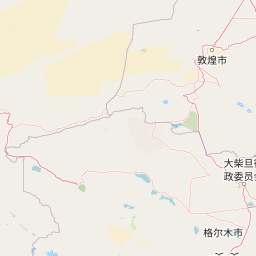

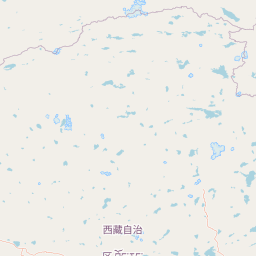

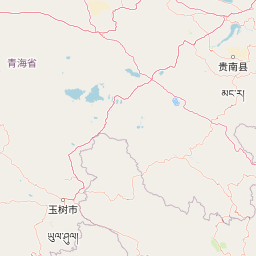
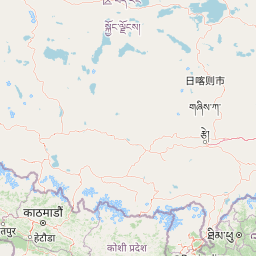
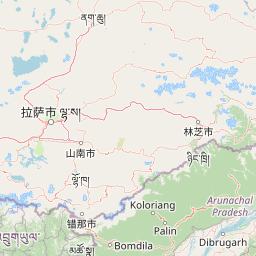
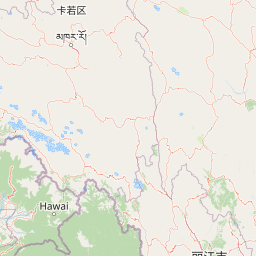
Map centered on the epicenter (32.34, 93.71). Map data © OpenStreetMap contributors.
Sky & Solar Conditions at the Time
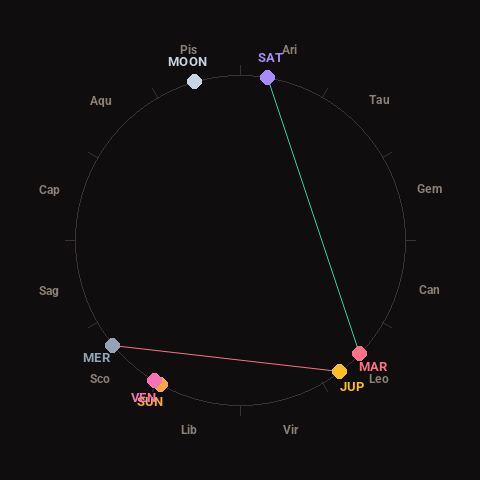
Moon: Waxing Gibbous (85% illuminated), in Pisces.
Notable planetary angles: Mercury square Jupiter (88°), Sun conjunct Venus (2°), Mars trine Saturn (124°).
Concurrent space weather: planetary Kp index 4.3; strongest recent solar flare: nothing notable.
This is a factual snapshot, not a claim of cause and effect – researchers are divided on whether lunar, planetary or solar factors influence seismic or weather activity. It’s included so readers can track the pattern for themselves over time.
Emergency number for China: 110 (police) / 120 (ambulance) (General guidance – always verify locally, as this can vary by region.)