

A large-scale flight disruption is affecting New York City-area airports today, with a fresh wave of cancellations following an earlier ground stop. Ground stops are orders issued by the Federal Aviation Administration (FAA) that temporarily halt departing flights headed to or from affected airports, and they typically trigger hours of knock-on delays even after they’re lifted.
The three major airports serving the region – JFK, LaGuardia, and Newark Liberty – are all feeling the impact. Events like this are most often caused by severe weather in the area, a technical or equipment outage at an air traffic control facility, or a safety or security incident. Whatever the trigger, the practical effect is the same: backed-up departure queues, aircraft and crews out of position, and cancellations that can ripple across the national network through the rest of the day and into tomorrow.
What travelers may notice
If you are flying to, from, or through the New York area today, expect long delays, gate changes, and possible cancellation of your flight. Even travelers not touching NYC can be affected, since aircraft and flight crews scheduled to pass through New York may not make it to their next assignment on time. Security lines and rebooking desks will be busier than usual, and hold times with airline phone support tend to spike during events like this.
Sensible steps right now
First, check your flight status directly in your airline’s app before leaving for the airport – do not head out on the assumption your flight is operating. If your flight is cancelled, rebook through the app or website rather than waiting in line; airlines typically waive change fees during widespread disruptions. Second, if you are stuck overnight, ask your airline about meal and hotel vouchers, and keep receipts for any expenses. Third, if you are picking someone up, confirm their flight has actually departed its origin airport before driving out.
Disruptions of this scale usually take 24 to 48 hours to fully unwind, so flexibility helps. If your trip is optional, rebooking for later in the week may be the smoothest option.
Airport status and ground stop information come from the FAA’s air traffic command data and airport operations reports, with regional weather context from the National Weather Service (NWS).
Frequently Asked Questions
Which airports are affected?
The disruption centers on the New York City area's three major airports: JFK, LaGuardia, and Newark Liberty. Flights elsewhere can also be delayed if their aircraft or crew was scheduled to come through New York.
What is a ground stop?
A ground stop is an FAA order that temporarily pauses departures to or from specific airports, usually due to weather, equipment problems, or safety concerns. Even after it lifts, the backlog of delayed flights can take many hours to clear.
My flight isn't to or from NYC – could I still be delayed?
Yes. Airlines reuse aircraft and crews across multiple routes each day, so a plane stuck in New York may be the one scheduled for your flight later. Check your flight status before heading to the airport.
What should I do if my flight is cancelled?
Rebook immediately through your airline's app or website, which is usually faster than airport counters or phone lines during mass cancellations. Airlines generally waive change fees during widespread disruptions, and you can ask about meal or hotel vouchers if you're stranded.
Keep tracking this:
Source: thetraveler.org
Sky & Solar Conditions at the Time
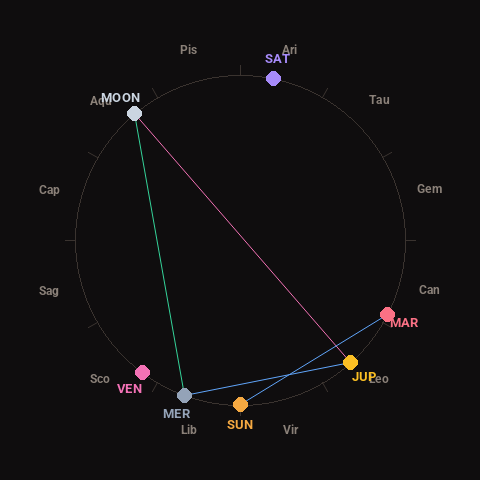
Moon: Waxing Gibbous (88% illuminated), in Aquarius.
Notable planetary angles: Moon trine Mercury (121°), Mercury sextile Jupiter (62°), Moon opposite Jupiter (178°), Sun sextile Mars (63°).
Concurrent space weather: planetary Kp index 0.3; strongest recent solar flare: nothing notable.
This is a factual snapshot, not a claim of cause and effect – researchers are divided on whether lunar, planetary or solar factors influence seismic or weather activity. It’s included so readers can track the pattern for themselves over time.