
The U.S. State Department has raised its travel advisory for Qatar to Level 3: Reconsider Travel, citing the risk of armed conflict. This is the first change to Qatar’s advisory level we have tracked, and it marks a significant shift for a country that has long been considered one of the more stable and accessible destinations in the Gulf region.
According to the advisory, the escalation follows the onset of hostilities between the United States and Iran on February 28, 2026. Since then, there has been an ongoing threat of drone and missile attacks from Iran, along with significant disruptions to commercial flights in and around the region. The Federal Aviation Administration has also issued a notice related to aviation safety in the area, which typically restricts or warns U.S. carriers and pilots about operating in affected airspace.
What this means for travelers
Level 3 is the second-highest of the State Department’s four advisory tiers. It does not ban travel, but it urges Americans to seriously reconsider their plans. In a related note, the advisory states that as of August 28, 2026, family members may again join U.S. government employees who work in Qatar – a sign that while risks remain elevated, some conditions have stabilized enough to allow dependents to return.
Travelers in or near Qatar may notice flight cancellations, rerouted itineraries, longer travel times as airlines avoid certain airspace, and potentially higher ticket prices. Those with connections through Doha – a major global hub – should check with their airline before heading to the airport.
Practical steps to consider:
1. If you have upcoming travel to or through Qatar, contact your airline to confirm your flight status and review rebooking or refund options.
2. Enroll in the State Department’s Smart Traveler Enrollment Program (STEP) so the nearest embassy can reach you with updates in an emergency.
3. Review your travel insurance policy – many standard plans have exclusions for destinations under armed-conflict advisories, so confirm your coverage before departing.
Data for this alert comes from the U.S. Department of State’s travel advisory system and Federal Aviation Administration notices.
Frequently Asked Questions
Does Level 3 mean I can't travel to Qatar?
No. Level 3 ('Reconsider Travel') is an advisory, not a ban. It means the State Department urges you to seriously weigh the risks of drone and missile attacks and flight disruptions before going.
Will my flight through Doha be affected?
Possibly. The advisory cites significant disruptions to commercial flights and an FAA aviation safety notice, which often leads airlines to reroute or cancel flights. Check directly with your airline before traveling.
Is this advisory connected to the U.S.-Iran hostilities?
Yes. The State Department explicitly ties the Level 3 rating to the ongoing threat of drone and missile attacks from Iran following the outbreak of hostilities on February 28, 2026.
What should I do if I'm already in Qatar?
Enroll in the STEP program, monitor airline notifications for schedule changes, and follow guidance from the U.S. Embassy in Doha. Note that family members of U.S. government employees are being permitted to return as of August 28, 2026, suggesting conditions are being actively managed.
Keep tracking this:
Source: U.S. Department of State
Related Reading
Sky & Solar Conditions at the Time
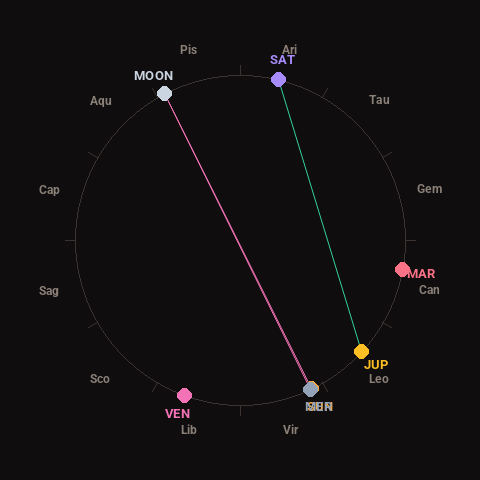
Moon: Full Moon (100% illuminated), in Pisces.
Notable planetary angles: Sun conjunct Mercury (0°), Jupiter trine Saturn (119°), Sun opposite Moon (178°), Moon opposite Mercury (178°).
Concurrent space weather: planetary Kp index 1.3; strongest recent solar flare: nothing notable.
This is a factual snapshot, not a claim of cause and effect – researchers are divided on whether lunar, planetary or solar factors influence seismic or weather activity. It’s included so readers can track the pattern for themselves over time.