
The U.S. State Department has raised its travel advisory for Burundi to Level 3: Reconsider Travel, citing political violence, crime, and health concerns. This is the first change to Burundi’s advisory level in our tracking. Some areas of the country carry even higher risk, and travelers are urged to read the full advisory before making any plans.
Burundi is a small landlocked country in East Africa, bordered by Rwanda, Tanzania, and the Democratic Republic of the Congo. According to the State Department, the possibility of political violence exists throughout the country. Police and military checkpoints are common and can limit movement, police may search private homes for weapons, and the country’s borders may close without notice.
Violent crime is a specific concern in this advisory. Assault, carjacking, home invasion, grenade attacks, and armed robbery are all listed as possibilities, and criminals may specifically target foreigners and residents perceived as wealthy.
What This Means for Travelers
Level 3 is the second-highest of the State Department’s four advisory levels. It is not a ban on travel, but it is an official recommendation to reconsider any trip. Americans currently in Burundi, or with planned travel there, should take this seriously and reassess their plans.
Practical steps worth considering:
1. Enroll in STEP. The Smart Traveler Enrollment Program is free and lets the U.S. Embassy reach you with alerts and helps family contact you in an emergency. Note that U.S. consular services in Burundi are limited.
2. Have an exit plan. Because borders can close without notice, know more than one way out of the country and keep travel documents current and accessible. Don’t rely on a single route or crossing.
3. Review health preparations. Health concerns are part of this advisory. Check vaccination requirements, malaria prevention, and whether your travel insurance covers medical evacuation before departure.
If you decide to travel despite the advisory, avoid displaying wealth, vary your routines, stay away from demonstrations and large gatherings, and keep a charged phone and local emergency contacts on hand at all times.
This alert is based on the official Travel Advisory issued by the U.S. Department of State’s Bureau of Consular Affairs.
Frequently Asked Questions
Does Level 3 mean I can't travel to Burundi?
No. Level 3 is a recommendation to reconsider travel, not a prohibition. However, the U.S. government's ability to assist you in Burundi is limited, so you would be traveling largely at your own risk.
I'm already in Burundi — should I leave immediately?
The advisory doesn't require immediate departure, but you should have a departure plan ready since borders can close without notice. Enroll in STEP, stay in contact with the U.S. Embassy, and avoid checkpoints, crowds, and travel after dark where possible.
Will my flight or trip be canceled because of this?
Advisory changes don't automatically cancel flights or tours, but airlines, insurers, and tour operators may adjust policies. Contact your airline and travel insurance provider to confirm coverage, since many policies exclude travel to Level 3 or Level 4 destinations.
What are the biggest risks for foreigners in Burundi?
The advisory cites political violence, armed robbery, carjacking, home invasion, and grenade attacks, with foreigners sometimes specifically targeted. Police and military checkpoints are common and can restrict movement throughout the country.
Keep tracking this:
Source: U.S. Department of State
Related Reading
Sky & Solar Conditions at the Time
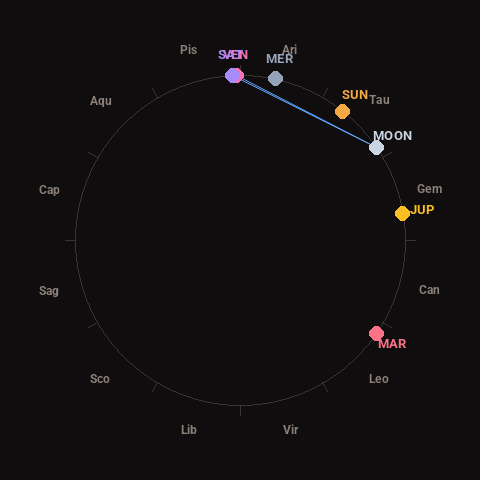
Moon: New Moon (2% illuminated), in Taurus.
Notable planetary angles: Venus conjunct Saturn (1°), Moon sextile Saturn (58°), Moon sextile Venus (57°).
Concurrent space weather: planetary Kp index 1.3; strongest recent solar flare: nothing notable.
This is a factual snapshot, not a claim of cause and effect – researchers are divided on whether lunar, planetary or solar factors influence seismic or weather activity. It’s included so readers can track the pattern for themselves over time.