
The U.S. State Department has raised its travel advisory for North Korea (officially the Democratic People’s Republic of Korea, or DPRK) to Level 4: Do Not Travel — the highest warning level the department issues. The advisory cites the continuing serious risk of arrest, long-term detention, and the threat of wrongful detention of U.S. citizens.
Under this advisory, U.S. passports cannot be used to travel to, in, or through North Korea unless they are specially validated for such travel by the Secretary of State. Those validations are rare and generally limited to journalists, Red Cross representatives, or others traveling for compelling humanitarian or national-interest reasons.
Who Is Affected
Any U.S. citizen considering travel to or transit through North Korea is covered by this advisory. Because there is no U.S. embassy in Pyongyang, the U.S. government cannot provide routine or emergency consular services to Americans in the DPRK — Sweden serves as the U.S. protecting power, but its ability to help detained Americans is extremely limited. Journalists, aid workers, dual nationals, and tourists who might otherwise consider visiting via third countries such as China should take particular note.
What readers might notice: For most Americans, this advisory changes nothing in daily life — travel to North Korea has been heavily restricted for years. Travelers booking trips through East Asia should simply confirm that no itinerary involves transit through DPRK territory, which is uncommon but can appear in unusual routing or tour packages.
Sensible steps to take: First, if you or a family member has any pending plans involving North Korea, cancel or postpone them and check passport validity rules before any regional travel. Second, enroll in the State Department’s Smart Traveler Enrollment Program (STEP) before trips elsewhere in Northeast Asia so you receive alerts if conditions in the region shift. Third, if you have a family member currently in the DPRK, contact the State Department’s Office of Overseas Citizens Services for guidance.
This information comes from the U.S. Department of State’s Bureau of Consular Affairs, which maintains official travel advisories for every country.
Frequently Asked Questions
Can any U.S. citizen legally travel to North Korea right now?
Not with a standard U.S. passport. Passports are invalid for travel to, in, or through the DPRK unless specially validated by the Secretary of State, which is granted only in limited cases such as journalism or humanitarian work.
Why is the advisory at Level 4 — did something new happen?
The advisory reflects the ongoing risk of arrest, long-term detention, and wrongful detention of U.S. citizens. Level 4 is the State Department's highest tier, reserved for countries where the risks to Americans are considered life-threatening or where the U.S. cannot provide assistance.
What happens if an American is detained in North Korea?
The U.S. has no embassy in Pyongyang, so consular help is extremely limited; Sweden acts as the U.S. protecting power but has constrained access. Past detentions have lasted months to years, which is why the advisory urges avoiding travel entirely.
Does this affect travel to South Korea, Japan, or China?
No. This advisory applies only to North Korea. Travel to neighboring countries is unaffected, though travelers in the region may still want to enroll in STEP to receive any regional security updates.
Keep tracking this:
Source: U.S. Department of State
Related Reading
Sky & Solar Conditions at the Time
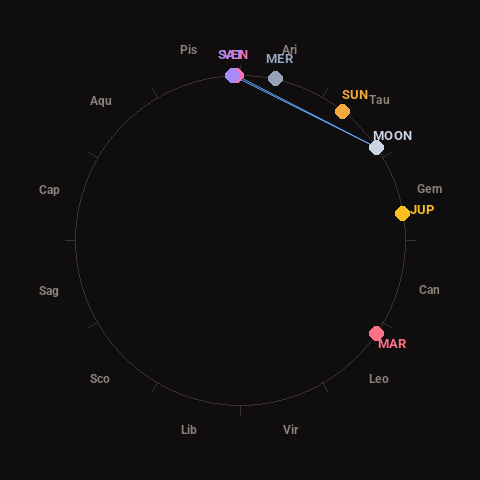
Moon: New Moon (2% illuminated), in Taurus.
Notable planetary angles: Venus conjunct Saturn (1°), Moon sextile Saturn (58°), Moon sextile Venus (57°).
Concurrent space weather: planetary Kp index 0.7; strongest recent solar flare: nothing notable.
This is a factual snapshot, not a claim of cause and effect – researchers are divided on whether lunar, planetary or solar factors influence seismic or weather activity. It’s included so readers can track the pattern for themselves over time.