
The U.S. State Department has raised its travel advisory for North Korea to Level 4: Do Not Travel, the highest warning level on its four-tier scale. Level 4 is reserved for countries where the U.S. government considers the risks to American travelers life-threatening or where it has little to no ability to help citizens in trouble.
The advisory cites the continuing serious risk of arrest, long-term detention, and the threat of wrongful detention of U.S. citizens in North Korea (officially the Democratic People’s Republic of Korea, or DPRK). Wrongful detention means a foreign government holds someone without legitimate cause, often for political leverage. The advisory applies to travel for any reason, including tourism, journalism, and humanitarian work.
What this means in practice: U.S. passports are not valid for travel to, in, or through North Korea unless they carry a special validation from the Secretary of State, which is granted only in very limited cases, such as certain journalists, Red Cross representatives, or travelers whose trip is deemed to be in the U.S. national interest. Anyone traveling on an unvalidated U.S. passport risks serious legal consequences, in addition to the dangers outlined in the advisory.
Who is affected and what to watch
Who is affected: Any U.S. citizen considering travel to or transit through North Korea, as well as family members of Americans currently in the region. Note that the United States has no embassy in Pyongyang; Sweden serves as the U.S. protecting power there, which means consular help is extremely limited.
Sensible steps:
1. If you or a family member had any travel plans involving North Korea or connecting itineraries through the region, cancel or re-route them now and confirm your airline’s transit rules.
2. If you have a compelling reason to travel (journalism, humanitarian work), contact the State Department well in advance about special passport validation — do not attempt travel without it.
3. If you have a family member currently detained or missing in North Korea, contact the State Department’s Office of American Citizens Services and the Swedish Embassy in Pyongyang, which acts on behalf of U.S. interests.
Travel advisory data comes from the U.S. Department of State’s Bureau of Consular Affairs.
Frequently Asked Questions
What does Level 4: Do Not Travel actually mean?
It is the highest of the State Department's four advisory levels and means Americans should not travel to the country for any reason due to life-threatening risks or the U.S. government's inability to assist citizens there.
Can I legally travel to North Korea as a U.S. citizen?
No, not on a standard U.S. passport. U.S. passports are invalid for travel to, in, or through North Korea unless the Secretary of State grants a special validation, which is rare and limited to cases like certain journalists or humanitarian workers.
What happens if an American is detained in North Korea?
The U.S. has no embassy in Pyongyang, so consular help is extremely limited. Sweden acts as the U.S. protecting power and provides basic assistance, but securing release has historically required high-level diplomatic negotiations.
Does this advisory affect travel to South Korea?
No. This advisory applies only to North Korea. South Korea has its own separate advisory, and routine travel there is not impacted by this change.
Keep tracking this:
Source: U.S. Department of State
Related Reading
Sky & Solar Conditions at the Time
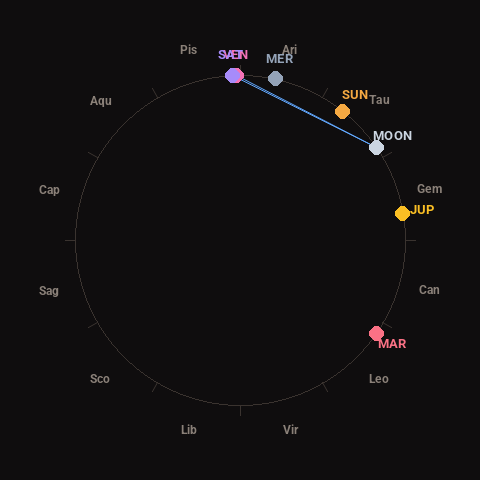
Moon: New Moon (2% illuminated), in Taurus.
Notable planetary angles: Venus conjunct Saturn (1°), Moon sextile Saturn (58°), Moon sextile Venus (57°).
Concurrent space weather: planetary Kp index 0.3; strongest recent solar flare: nothing notable.
This is a factual snapshot, not a claim of cause and effect – researchers are divided on whether lunar, planetary or solar factors influence seismic or weather activity. It’s included so readers can track the pattern for themselves over time.