
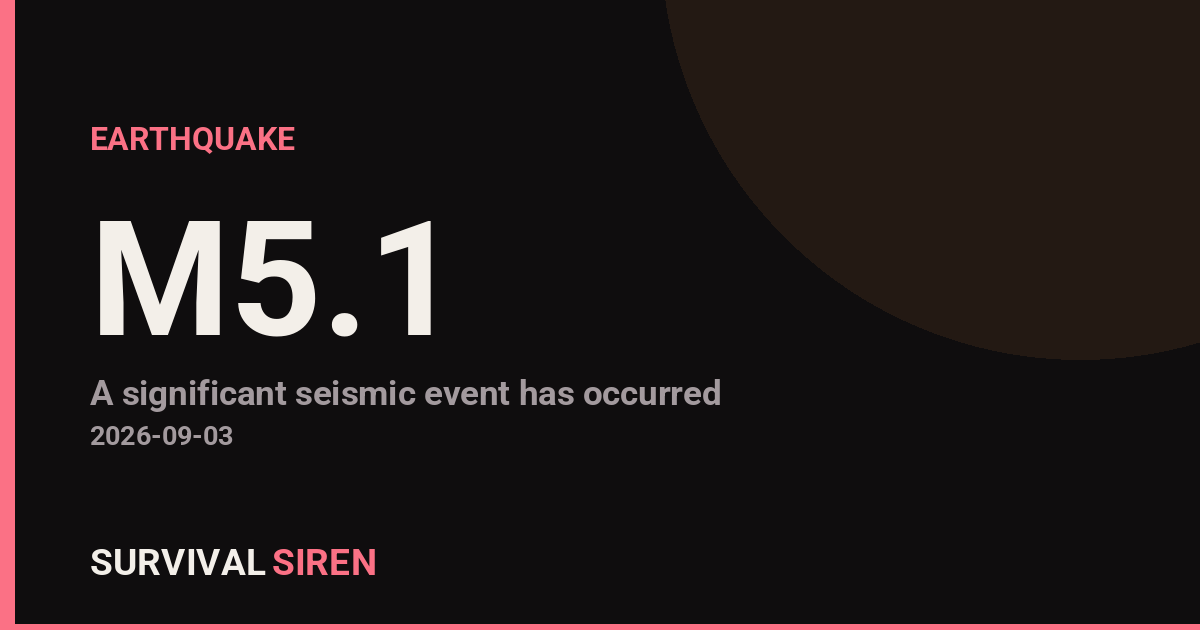
A magnitude 5.1 earthquake struck the Owen Fracture Zone region at a shallow depth of about 10 kilometers, according to the U.S. Geological Survey (USGS). The Owen Fracture Zone is a major geological fault system running through the northern Indian Ocean, in the Arabian Sea area off the coasts of Pakistan and Oman. Earthquakes along this zone are not unusual, as it marks an active boundary between tectonic plates.
Because this quake occurred in an offshore, sparsely populated ocean region, the practical impact on land is expected to be minimal. Shaking may have been lightly felt in some coastal communities near the region, but a magnitude 5.1 at this distance from populated areas typically produces little more than a brief rumble or a swaying sensation for those close enough to notice it. There have been no initial reports of damage or injuries associated with this event.
What This Means for You
For most readers, this event is informational rather than a call to action. Still, it is a useful reminder of a few sensible practices:
1. Know your local tsunami guidance. Earthquakes of this size rarely generate tsunamis, but larger offshore quakes can. If you live in or visit a coastal area, know your local evacuation routes and official warning sources.
2. Expect possible small aftershocks. Aftershocks following a magnitude 5.1 are usually smaller than the main quake and, in a remote ocean region, unlikely to be felt on land.
3. Keep basic earthquake habits in place. If you live in a seismically active region, this is a good moment to check that heavy furniture is secured and your household knows the drop, cover, and hold on routine.
This event was detected and reported by the U.S. Geological Survey (USGS) earthquake monitoring network.
Frequently Asked Questions
Was this earthquake felt in nearby cities?
Possibly, but only lightly if at all. The epicenter is in a remote ocean region, so any shaking reaching coastal areas would likely have been a brief, weak swaying rather than strong shaking.
Is a tsunami possible from this quake?
It is very unlikely. Magnitude 5.1 earthquakes are generally too small to displace enough seafloor to generate a tsunami, and no tsunami warning has been issued for this event.
Are aftershocks expected?
Some small aftershocks are typical after a magnitude 5.1 quake, but they are usually weaker than the main shock and, given the offshore location, unlikely to be felt on land.
Is any damage expected?
No damage or injuries have been reported, and none are expected. The quake's offshore location and moderate size mean the risk to buildings and infrastructure is essentially negligible.
Keep tracking this: the Space Weather Command Center shows live storm levels, aurora visibility and active alerts in plain English, and the Event Database is a searchable log of every earthquake, solar flare, CME and geomagnetic storm we’ve tracked, free to search or download.
Source: USGS
Related Reading
- Earthquake Survival: Precautions, Kit & Early Warning in 2026
- Analyzing Low-Radiation Nuclear Explosions: Tactical Assessments and Survival Strategies
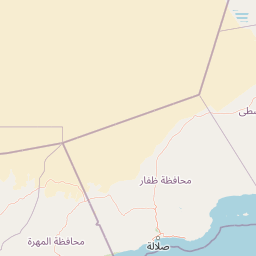
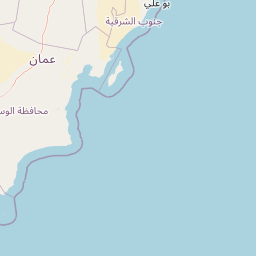

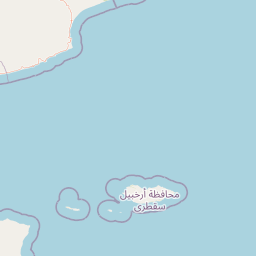




Map centered on the epicenter (14.46, 56.45). Map data © OpenStreetMap contributors.
Sky & Solar Conditions at the Time
Moon: Last Quarter (58% illuminated), in Gemini.
Notable planetary angles: Jupiter trine Saturn (121°), Mars square Saturn (91°), Mercury sextile Mars (62°), Sun sextile Mars (56°).
Concurrent space weather: planetary Kp index 1.3; strongest recent solar flare: nothing notable.
This is a factual snapshot, not a claim of cause and effect – researchers are divided on whether lunar, planetary or solar factors influence seismic or weather activity. It’s included so readers can track the pattern for themselves over time.
Earthquakes Within ~400 km, Past 30 Days
For context, here is other recent seismic activity in the surrounding region (M2.5+, via USGS):
| Date & Time (UTC) | Magnitude | Location |
|---|---|---|
| 2026-08-19 21:43 UTC | M4.2 | Owen Fracture Zone region |