
The National Weather Service in Honolulu has issued a Hurricane Warning for the island of Kauai, including Niihau and the surrounding coastal waters. The warning was issued on September 7 at 4:57 PM HST and currently covers eight zones: Kauai’s north, south, east, southwest, and mountain regions, Niihau, and the northwest and leeward waters around the island.
A Hurricane Warning means hurricane-force winds of 74 mph or higher are expected in the warned area, generally within 36 hours. This is the most serious level of tropical cyclone alert – it is not a watch or a possibility. Preparations to protect life and property should be completed as soon as possible, before conditions deteriorate.
What residents and visitors may notice
Conditions on Kauai will likely worsen through the coming hours. Expect strengthening winds, heavy rain, dangerous surf along all shores, and hazardous conditions in the northwest and leeward waters – all marine activity should already be secured. Power outages are likely as winds bring down trees and lines, and heavy rainfall over the mountains raises the risk of flash flooding and debris flows on steep terrain and along streams. Roads may become impassable, and inter-island travel and flights in and out of Lihue may be delayed or canceled.
Who is affected
Everyone on Kauai and Niihau, as well as boaters and mariners anywhere in the surrounding waters, is covered by this warning. Visitors in hotels and vacation rentals should follow instructions from property management and local officials.
What to do now
First, if local emergency management has issued evacuation instructions for your area – particularly coastal and flood-prone zones – follow them promptly. Second, finish securing your home: bring in loose outdoor items, fill containers with water, charge devices, and gather medications, documents, and supplies for at least several days. Third, stay indoors and away from windows once conditions worsen, and do not attempt to drive through flooded roads – turn around, don’t drown. Avoid the shoreline entirely; large, life-threatening surf will arrive ahead of the strongest winds.
After the storm passes, treat downed power lines as live, avoid floodwater, and wait for official all-clear messages before traveling. This information comes from the National Weather Service office in Honolulu, which will continue issuing updates as the situation evolves.
Frequently Asked Questions
What should I do right now if I'm on Kauai?
Finish preparations immediately – secure loose items, stock water and supplies, charge phones, and follow any evacuation instructions from Hawaii Emergency Management or county officials. Once winds pick up, stay indoors away from windows.
How long will this warning last?
Hurricane Warnings typically remain in effect until the storm's core has passed and winds drop below dangerous levels, which can take 12 to 24 hours or more. The NWS Honolulu office will update or cancel the warning as conditions change.
Is it safe to go to the beach or out on a boat?
No. The warning explicitly includes Kauai's northwest and leeward waters, meaning hurricane conditions are expected offshore as well. All vessels should be in safe harbor and everyone should stay well away from the shoreline.
Will the power go out?
Widespread outages are likely when hurricane-force winds affect the island, and restoration can take days in hard-hit areas. Plan for at least 72 hours without power – keep devices charged and have flashlights, water, and non-perishable food ready.
Keep tracking this:
Source: National Weather Service (NWS)
Related Reading
- Emergency Communication: Staying Connected When Towers Go Down
- Earthquake Survival: Precautions, Kit & Early Warning in 2026
- Essential Guide to Preparing for a Nuclear War
Sky & Solar Conditions at the Time
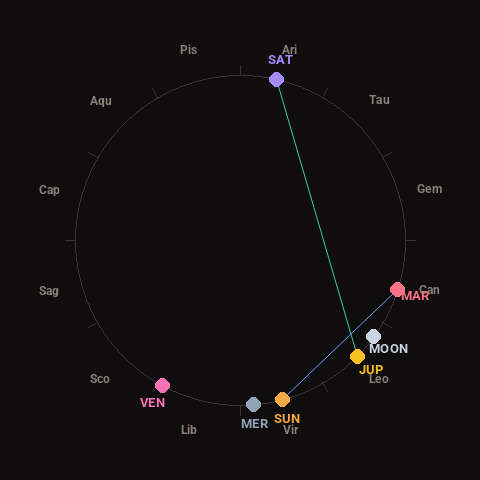
Moon: Waning Crescent (11% illuminated), in Leo.
Notable planetary angles: Jupiter trine Saturn (122°), Sun sextile Mars (58°).
Concurrent space weather: planetary Kp index 4.3; strongest recent solar flare: nothing notable.
This is a factual snapshot, not a claim of cause and effect – researchers are divided on whether lunar, planetary or solar factors influence seismic or weather activity. It’s included so readers can track the pattern for themselves over time.