
The National Weather Service has issued a Flood Warning effective from 6:22 PM EDT until 9:15 PM EDT on September 18, covering 12 areas across several states. Confirmed locations include Daviess, Martin, Adams, Wells, and Allen counties in Indiana; Van Wert County in Ohio; San Juan County in New Mexico; Jackson and Woodruff counties in Arkansas; and Citrus County in Florida, along with two additional areas. The warning was issued by the NWS office in Indianapolis, Indiana.
A Flood Warning means flooding is already occurring or is imminent – this is a step above a Flood Watch, which only means conditions are favorable. In practical terms, this typically means heavy rainfall has caused rivers, creeks, streams, or low-lying roadways to rise quickly, or that poor-drainage urban areas are collecting water faster than it can run off.
Residents in the affected areas may notice rapidly rising water on roads, water pooling in yards or basements, and swollen streams or ditches. If you live in one of the listed counties, do not attempt to drive through flooded roadways – just six inches of moving water can knock an adult down, and a foot of water can carry away most vehicles. The phrase ‘turn around, don’t drown’ exists for good reason: most flood-related deaths in the U.S. happen in vehicles.
What to Do Right Now
Avoid flooded roads. If your usual route is covered with water, find another way. You cannot judge depth or road condition beneath floodwater.
Move to higher ground if needed. If water is entering your home or rising quickly nearby, move to an upper floor or leave for higher ground before routes become impassable.
Stay updated through the evening. This warning runs until 9:15 PM EDT, but it may be extended if rain continues or water keeps rising. Keep a weather radio or phone alerts enabled overnight.
With the warning window lasting roughly three hours, the most intense period is expected to pass by late evening, though standing water and high creek levels can linger well after the warning expires. Continue to treat flooded areas with caution tomorrow morning, especially on rural roads.
This information comes from the National Weather Service (NOAA), via the NWS Indianapolis office.
Frequently Asked Questions
Is flooding actually happening, or is this just a possibility?
A Flood Warning means flooding is occurring or imminent in the warned areas – it is more urgent than a Flood Watch, which only signals favorable conditions.
What should I do right now if I'm in one of the 12 affected areas?
Avoid driving through any water-covered roads, move valuables off basement or ground floors, and be ready to move to higher ground if water rises near your home.
How long will this last?
The warning is in effect until 9:15 PM EDT on September 18, though it can be extended if heavy rain continues, and standing water may remain after it expires.
Is it safe to drive if the water on the road looks shallow?
No – depth and road condition under floodwater are impossible to judge, and as little as 12 inches of moving water can sweep away a car. Turn around and find another route.
Keep tracking this:
Source: National Weather Service (NWS)
Related Reading
- Emergency Communication: Staying Connected When Towers Go Down
- Earthquake Survival: Precautions, Kit & Early Warning in 2026
- Essential Guide to Preparing for a Nuclear War
Sky & Solar Conditions at the Time
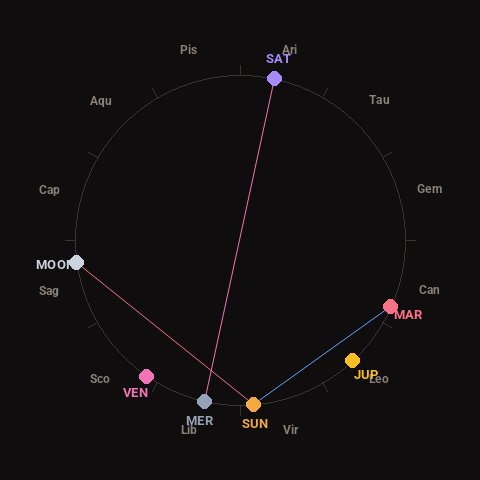
Moon: First Quarter (47% illuminated), in Sagittarius.
Notable planetary angles: Mercury opposite Saturn (180°), Sun sextile Mars (61°), Sun square Moon (87°).
Concurrent space weather: planetary Kp index 0.7; strongest recent solar flare: nothing notable.
This is a factual snapshot, not a claim of cause and effect – researchers are divided on whether lunar, planetary or solar factors influence seismic or weather activity. It’s included so readers can track the pattern for themselves over time.