
Cuba is experiencing another island-wide power outage, leaving millions without electricity as the country’s aging electrical grid struggles under a severe fuel shortage linked to U.S. sanctions and restrictions on oil shipments. Reports indicate the national grid collapsed, cutting power to homes, businesses, hospitals, and infrastructure across the country of roughly 11 million people.
This is not an isolated incident. Cuba’s power system has been deteriorating for years, with repeated nationwide or near-nationwide blackouts occurring as fuel imports dwindle and aging thermoelectric plants — many of them decades old — fail or run below capacity. Without adequate fuel, the grid cannot meet even basic demand, and when one major plant or transmission line trips offline, the entire fragile system can cascade into a total collapse.
What Residents Are Experiencing
People across the island are facing darkened homes, non-functioning refrigeration, limited water pumping (many water systems depend on electric pumps), disrupted communications, and reduced public transportation. Hospitals and critical facilities typically switch to backup generators, but fuel scarcity limits how long those can run. Food spoilage becomes a real concern within hours in Cuba’s warm climate, and prolonged outages strain medical care, especially for people dependent on powered medical devices or refrigerated medications.
Restoration is expected to be gradual and uneven. Authorities typically prioritize hospitals and key infrastructure first, then work to re-energize the grid region by region — a process that can take days after a full collapse, and rolling blackouts often continue well beyond that as fuel remains short.
Practical Pointers
For readers in affected areas or with family there: keep phones charged when power is available and conserve battery when it isn’t; store drinking water in containers since pumps may stop working; and keep perishable food cold by minimizing how often the refrigerator is opened. Battery-powered radios remain one of the most reliable ways to receive official updates during extended outages.
For our wider audience, this event is a reminder of how quickly modern life depends on a stable grid — having flashlights, backup power banks, a few days of food and water, and a way to receive emergency information is sensible preparation anywhere.
Data and ongoing reporting on this event come from official Cuban government statements and international news monitoring; this site tracks grid disruptions using public reporting from agencies such as NOAA and the USGS when natural hazards are involved.
Frequently Asked Questions
Was this blackout caused by a geomagnetic storm or space weather?
No. This outage is attributed to Cuba's fuel shortage and failing power infrastructure, not solar activity. There is no indication of a significant geomagnetic storm at this time.
How long until power is restored in Cuba?
After a full grid collapse, restoration typically takes days and happens in stages, with hospitals and critical facilities restored first. Given the ongoing fuel shortage, rolling blackouts are likely to continue even after initial restoration.
Could this kind of blackout affect the United States or other countries?
No — this is a localized failure of Cuba's isolated national grid, which is not interconnected with other countries. The U.S. mainland grid is entirely separate and unaffected.
What should someone in Cuba do during this outage?
Conserve phone battery, store drinking water since electric pumps may fail, keep refrigerators closed to preserve food, and use a battery-powered radio for official updates. Check on elderly neighbors and anyone dependent on powered medical devices if it is safe to do so.
Keep tracking this:
Source: dw.com
Related Reading
Sky & Solar Conditions at the Time
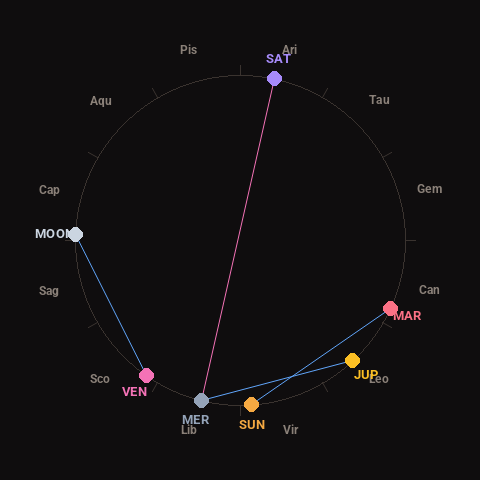
Moon: First Quarter (55% illuminated), in Capricorn.
Notable planetary angles: Mercury opposite Saturn (179°), Sun sextile Mars (62°), Moon sextile Venus (57°), Mercury sextile Jupiter (57°).
Concurrent space weather: planetary Kp index 1.3; strongest recent solar flare: nothing notable.
This is a factual snapshot, not a claim of cause and effect – researchers are divided on whether lunar, planetary or solar factors influence seismic or weather activity. It’s included so readers can track the pattern for themselves over time.