
The U.S. State Department has raised its travel advisory for Guyana to Level 3: Reconsider Travel, citing crime as the primary concern. This is a one-level escalation from routine caution and applies to the entire country, including the capital, Georgetown.
According to the advisory, violent crime — including murder and armed robbery — is common in Guyana, especially at night. The advisory also notes that local police often lack the resources to respond effectively to serious criminal incidents, which means help may be limited if something goes wrong.
Specific areas of concern
The State Department has placed certain Georgetown locations off limits to its own employees, which is a useful signal for travelers:
Stabroek Market is off limits to U.S. Government employees at all times due to crime. Bourda Market is off limits during evening hours. Travelers are also advised to avoid the National Park and the Seawall after dark, due to vehicle break-ins, poor lighting, and high pedestrian traffic that creates opportunities for theft.
Who is affected: Anyone with upcoming travel plans to Guyana, Americans currently in the country, and people with family or business ties there. A Level 3 advisory does not ban travel — it is a formal recommendation to reconsider plans and weigh the risks carefully.
What readers might notice: Travel insurance terms may change for trips booked after an advisory escalation, some airlines or tour operators may allow rebooking flexibility, and employers with staff in Guyana may update their security protocols.
Practical pointers if you must travel: (1) Enroll in the State Department’s STEP program so the U.S. Embassy can reach you in an emergency. (2) Avoid walking after dark, especially in the areas named above, and use pre-arranged transportation rather than hailing rides on the street. (3) Keep a low profile — avoid displaying cash, phones, or jewelry in public markets and crowded areas.
Advisory levels can move up or down as conditions change, so check the current status before booking or departing.
This information comes from the U.S. Department of State’s Bureau of Consular Affairs travel advisory system.
Frequently Asked Questions
Does Level 3 mean I can't travel to Guyana?
No. Level 3 ('Reconsider Travel') is a strong recommendation, not a ban. Only Level 4 ('Do Not Travel') carries the strongest warning, and even then travel is not legally prohibited for U.S. citizens.
I'm already in Guyana — should I leave immediately?
The advisory does not call for evacuation. It advises heightened caution: avoid Stabroek Market entirely, Bourda Market in the evening, and the National Park and Seawall after dark, and be aware that police response to serious incidents may be limited.
Which parts of Guyana are considered most risky?
The advisory specifically names Stabroek Market (off limits to U.S. Government staff at all times), Bourda Market (off limits in the evening), and the National Park and Seawall areas after dark. Violent crime, especially at night, is cited as a countrywide concern.
Will this advisory affect my flight or travel insurance?
Flights to Guyana are not restricted by the advisory, but some travel insurance policies treat Level 3 destinations differently, especially for claims related to crime. Check your policy terms before traveling.
Keep tracking this:
Source: U.S. Department of State
Related Reading
Sky & Solar Conditions at the Time
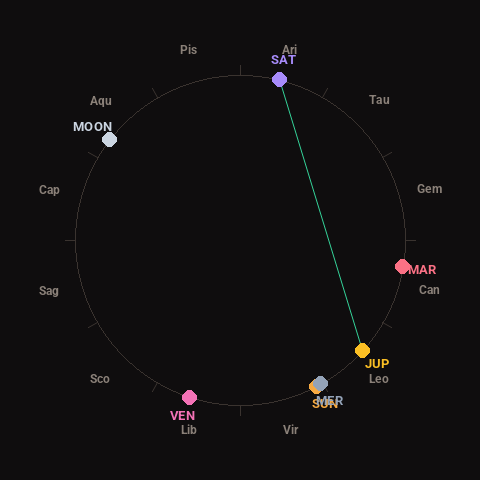
Moon: Waxing Gibbous (95% illuminated), in Aquarius.
Notable planetary angles: Jupiter trine Saturn (118°), Sun conjunct Mercury (2°).
Concurrent space weather: planetary Kp index 1.0; strongest recent solar flare: nothing notable.
This is a factual snapshot, not a claim of cause and effect – researchers are divided on whether lunar, planetary or solar factors influence seismic or weather activity. It’s included so readers can track the pattern for themselves over time.