
The U.S. State Department has issued a Worldwide Caution for American citizens, urging increased vigilance around the globe. The alert comes in response to escalating conflict in the Middle East, which officials say raises the potential for security incidents affecting U.S. citizens and interests abroad, including in countries far from the region itself.
A Worldwide Caution is one of the broadest alerts the State Department issues. It does not mean travel is banned or that a specific attack is expected. It means the global security environment has shifted, and Americans abroad or planning to travel should be more aware of their surroundings than usual.
What travelers might notice
Heightened security is likely at U.S. embassies, consulates, airports, tourist sites, and other locations associated with Western interests in multiple regions. Some countries in or near the Middle East may see flight schedule changes, airspace restrictions, or route adjustments, which can cause delays or cancellations even for travelers not headed to the region. Demonstrations related to the conflict have also occurred in a number of countries, and these can arise with little warning.
Who is affected
This caution applies to all U.S. citizens, regardless of destination. It is most relevant to Americans currently in or transiting through the Middle East and surrounding regions, but the State Department issues these alerts precisely because spillover risks can extend worldwide. Family members of travelers abroad may also want to check in and confirm itineraries.
Sensible steps to take
1. Enroll in STEP. The Smart Traveler Enrollment Program is free and registers your trip with the nearest U.S. embassy, so you receive alerts and can be located in an emergency.
2. Check your specific destination advisory. The Worldwide Caution sits on top of country-by-country advisories. Some Middle East destinations are already at Level 3 (Reconsider Travel) or Level 4 (Do Not Travel). Confirm your airline routing if your flight passes near affected airspace.
3. Keep plans flexible and documents accessible. Know where your nearest embassy or consulate is, keep a low profile in crowded public spaces, avoid demonstrations, and have a communication plan with family back home.
This information is based on the U.S. Department of State’s official travel advisory system and its publicly issued Worldwide Caution alert.
Frequently Asked Questions
Does a Worldwide Caution mean I should cancel my trip?
Not necessarily. It is a call for increased awareness, not a travel ban. Check the specific advisory level for your destination – Levels 1 and 2 generally mean normal or increased caution, while Levels 3 and 4 recommend reconsidering or avoiding travel.
Will my flight be affected even if I'm not flying to the Middle East?
Possibly. Airspace restrictions and rerouting in the region can ripple through airline networks, causing delays or schedule changes on connecting routes. Check directly with your airline before departure.
What should Americans already abroad in the region do?
Enroll in STEP if you haven't, stay aware of your surroundings, avoid demonstrations and large gatherings, and know the location and contact details of the nearest U.S. embassy or consulate.
How long will this caution remain in effect?
Worldwide Cautions stay in place until the State Department updates or lifts them, depending on how the conflict develops. The department reviews advisories regularly, so recheck your destination's status before any upcoming trip.
Keep tracking this:
Source: U.S. Department of State
Related Reading
Sky & Solar Conditions at the Time
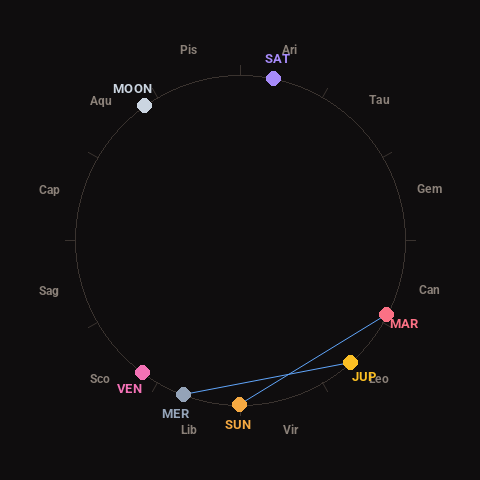
Moon: Waxing Gibbous (91% illuminated), in Aquarius.
Notable planetary angles: Mercury sextile Jupiter (62°), Sun sextile Mars (63°).
Concurrent space weather: planetary Kp index 3.7; strongest recent solar flare: nothing notable.
This is a factual snapshot, not a claim of cause and effect – researchers are divided on whether lunar, planetary or solar factors influence seismic or weather activity. It’s included so readers can track the pattern for themselves over time.