
Tens of thousands of households in Japan remain without electricity and running water after Typhoon Dujuan swept through the region, downing power lines and damaging utility infrastructure. Utility crews are working to restore service, but repairs in storm-damaged and hard-to-reach areas can take days or longer.
This outage has a clear, conventional cause: a powerful typhoon. Strong winds and heavy rain from Dujuan brought down trees, poles, and transmission lines, and flooding or debris has complicated repair work. It is not related to geomagnetic storms or any space-weather event – typhoons are among the most common causes of large, prolonged outages worldwide.
Residents in affected areas may notice more than just dark homes. Without power, water pumping stations and household pumps can stop working, which explains the loss of tap water for many families. Cell phone service may be spotty as towers run on backup batteries, fuel stations may be unable to pump, and stores may have limited stock or shortened hours. Those using medical devices that require electricity face the most urgent risk and should seek local support facilities if available.
What to watch and how to prepare
1. Restoration timelines. Power typically returns in stages – critical facilities first, then residential neighborhoods. Rural or heavily damaged areas should plan for outages lasting several more days. Check local utility and municipal updates regularly.
2. Water safety. If tap service returns intermittently, follow local guidance on boiling water before drinking. Keep a reserve of bottled or stored water – roughly 3 liters per person per day is a common planning figure.
3. Food and heat. Refrigerated food is generally safe for about 4 hours without power if the door stays closed; discard perishables after that window. If using generators or camp stoves, operate them outdoors only – carbon monoxide poisoning is a serious risk after every major storm.
Conditions should steadily improve as crews work through the damage, but readers with family or travel plans in the affected parts of Japan should confirm local status before assuming services are back.
Data for this alert is based on reporting from Japanese authorities and utility operators, with storm information consistent with Japan Meteorological Agency tracking of Typhoon Dujuan.
Frequently Asked Questions
How long until power is restored?
There is no single timeline – utilities typically restore critical infrastructure first, then neighborhoods, and the hardest-hit or remote areas can wait several days to over a week. Watch updates from your local utility for your specific area.
Is this outage connected to space weather or a geomagnetic storm?
No. This outage was directly caused by Typhoon Dujuan's winds and flooding damaging power lines and equipment – a conventional severe-weather event.
Why is the water out too? I thought only the power lines were hit.
Water systems depend on electric pumps, so a large power outage often cuts tap water as well. Service usually returns once power is restored to pumping and treatment facilities.
Is it safe to drink tap water when it comes back on?
After outages, pressure loss can let contaminants into pipes, so follow local advisories – authorities often issue boil-water notices for a period after restoration. When in doubt, boil water for one minute or use bottled water.
Keep tracking this:
Source: Vietnam.vn
Related Reading
Sky & Solar Conditions at the Time
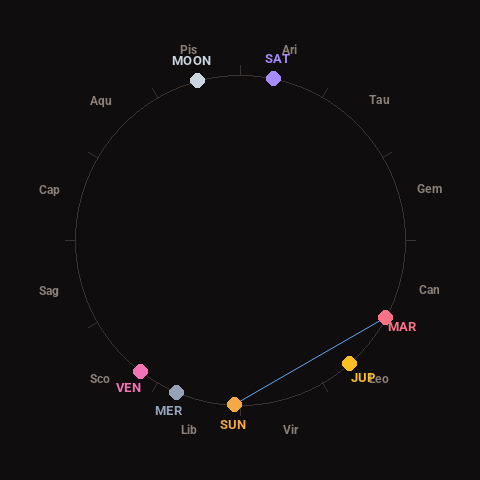
Moon: Full Moon (98% illuminated), in Pisces.
Notable planetary angles: Sun sextile Mars (64°).
Concurrent space weather: planetary Kp index 3.7; strongest recent solar flare: nothing notable.
This is a factual snapshot, not a claim of cause and effect – researchers are divided on whether lunar, planetary or solar factors influence seismic or weather activity. It’s included so readers can track the pattern for themselves over time.