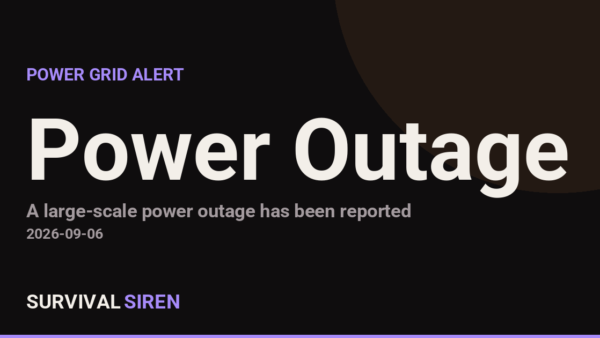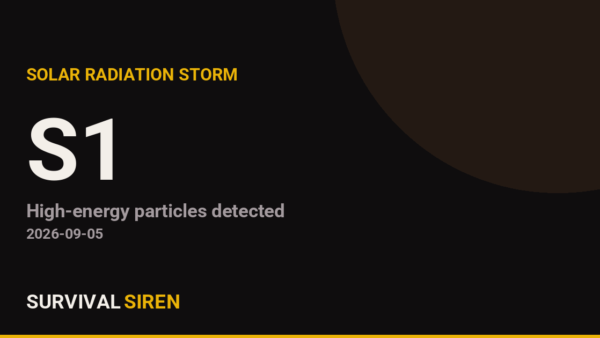

Cuba is restoring power after experiencing its third island-wide blackout in six months. While the immediate cause is still being assessed, widespread outages of this scale can result from severe weather, aging infrastructure failures, or geomagnetic storms—sudden surges of energy from the sun that induce damaging electrical currents in power transformers.
What Happened
The entire island lost electrical power, affecting millions of residents and businesses. Restoration efforts are underway, though some areas remain without power as of this alert. This marks the third total blackout since late 2023, raising concerns about grid resilience and infrastructure challenges.
What You Might Notice
If you live in Cuba or have family there: expect disrupted communications, delayed public transit, water supply interruptions (since pumps require electricity), and potential food spoilage. Hospitals and critical facilities running on backup generators are operating at reduced capacity.
Who Is Affected
Primarily Cuba’s 11+ million residents, though the outage also impacts regional connectivity and trade. For readers elsewhere, this is a reminder that large-scale blackouts—whether from weather, equipment failure, or space weather—can happen anywhere with aging infrastructure.
Three Practical Watch-Items
1. Monitor your local grid status: Know how to check real-time outage maps for your area and follow your utility’s official updates.
2. Build a basic blackout kit: Flashlights, batteries, first-aid supplies, non-perishable food, and water (1 gallon per person per day) help you manage 24–48 hours without power.
3. Track space weather: Severe geomagnetic storms can damage transformers regionally. Stay informed by checking official forecasts during active solar periods.
For real-time space weather data and geomagnetic storm alerts, visit the live dashboard at https://survivalsiren.com/spaceweather/feed.html—data provided by NOAA.
Sky Conditions at the Time
Moon: Last Quarter (52% illuminated), in Aries.
Notable planetary angles: Sun square Saturn (91°), Moon conjunct Saturn (1°), Sun square Moon (92°).
This is a factual snapshot (timed to this post’s publish time, as an approximation), not a claim of cause and effect – researchers are divided on whether lunar, planetary or solar factors influence seismic or weather activity. It’s included so readers can track the pattern for themselves over time.