
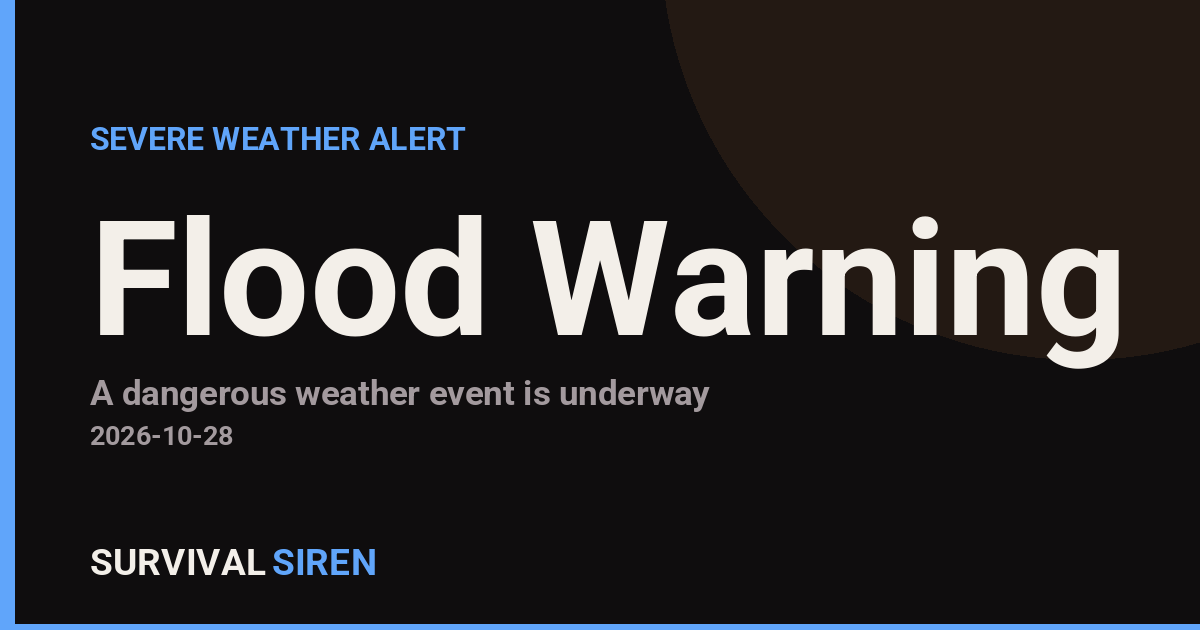
The National Weather Service office in Pueblo, Colorado has issued a Flood Warning effective from 8:52 PM MDT on October 27 until 2:00 AM MDT on October 29. The alert currently covers five named areas spread across three states: Bent County, Colorado; Lake and Volusia Counties, Florida; and Socorro and Rio Arriba Counties, New Mexico.
A Flood Warning means flooding is already happening or is imminent in the warned areas — this is a step above a Flood Watch, which only means conditions are favorable. Residents in these counties may notice rising water on roads, swollen creeks and arroyos, water pooling in low-lying spots, and in some cases water approaching homes or businesses. In New Mexico and Colorado, flash flooding from recent rain over burn scars and dry washes is a common trigger; in Florida, heavy rainfall and poor drainage in low-lying neighborhoods are more typical culprits.
What to watch and how to prepare
If you live in or plan to travel through any of the five listed counties, keep these points in mind:
1. Never drive through flooded roads. Six inches of moving water can knock an adult down, and twelve inches can carry away a small car. ‘Turn around, don’t drown’ remains the single most important rule.
2. Move valuables and vehicles to higher ground if you are in a flood-prone spot, and be ready to relocate to upper floors if water enters your home.
3. Monitor local updates. Warnings can be extended, expanded, or upgraded. A battery-powered or hand-crank weather radio is useful if storms knock out power overnight, since this warning runs through the early morning hours of October 29.
Most flood warnings of this type expire as water recedes, but the nearly 30-hour duration suggests forecasters expect slow-draining water or repeated rounds of rain. Stay off flooded roadways and check on neighbors who may need help.
This information comes from the National Weather Service (NWS) office in Pueblo, Colorado, part of NOAA.
Frequently Asked Questions
Why does one warning cover Colorado, Florida, and New Mexico?
The alert feed groups five separate county-level flood warnings under one bulletin. Each county has its own local flooding situation, so follow guidance from your local NWS office for specifics in your area.
What should I do right now if I'm in one of these counties?
Avoid driving on flooded roads, move to higher ground if water is rising near your home, and keep a phone or weather radio handy for updated warnings through the night.
How long will this flooding last?
The warning is currently set to expire at 2:00 AM MDT on October 29, but NWS can extend or reissue it if water drains slowly or more rain falls.
Is it safe to drive through just a few inches of water on the road?
No — as little as six inches of moving water can sweep away a person and twelve inches can float a vehicle. Find an alternate route instead.
Keep tracking this:
Source: National Weather Service (NWS)
Related Reading
- Emergency Communication: Staying Connected When Towers Go Down
- Earthquake Survival: Precautions, Kit & Early Warning in 2026
- Essential Guide to Preparing for a Nuclear War
Sky & Solar Conditions at the Time
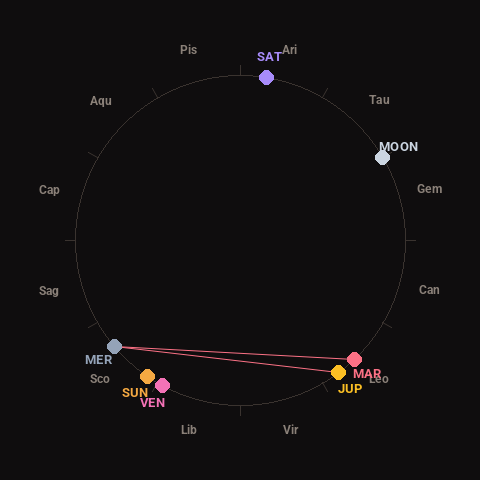
Moon: Waning Gibbous (95% illuminated), in Taurus.
Notable planetary angles: Mercury square Mars (93°), Mercury square Jupiter (86°).
Concurrent space weather: planetary Kp index 2.3; strongest recent solar flare: nothing notable.
This is a factual snapshot, not a claim of cause and effect – researchers are divided on whether lunar, planetary or solar factors influence seismic or weather activity. It’s included so readers can track the pattern for themselves over time.