
The National Weather Service office in Pueblo, Colorado, has issued a Flood Warning effective from 9:07 AM MDT on October 27 until 4:17 AM MDT on October 29. The warning currently covers 12 areas, including Bent, Alamosa, Conejos, Costilla, and Rio Grande counties in Colorado; Presidio County in Texas; Lake and Volusia counties in Florida; and Kane and San Juan counties in Utah, with additional areas also included.
A Flood Warning means flooding is already occurring or is imminent — this is a step beyond a Flood Watch, which only means conditions are favorable. Residents in the affected areas may notice rising water in rivers, creeks, and arroyos, water over roadways, and saturated ground that can make even normally shallow crossings dangerous.
What to keep in mind
If you live in or are traveling through the warned areas, keep these points in mind:
First, never drive or walk through floodwater. Just six inches of moving water can knock an adult down, and 12 inches can carry away a small car. If you encounter a flooded road, turn around — most flood-related deaths happen in vehicles.
Second, be especially cautious in low-lying areas, near creeks and rivers, and in slot canyons or desert washes in Utah and Texas, where flash flooding can occur downstream even when the sky overhead is clear.
Third, keep a charged phone handy with wireless emergency alerts enabled, and have a plan to move to higher ground quickly if water begins to rise near your home, especially overnight when flooding is harder to see.
This warning remains in effect through the early morning hours of October 29, so conditions may change as rainfall continues. Data for this alert comes from the National Weather Service (NOAA/NWS).
Frequently Asked Questions
What should I do right now if I'm in one of the warned areas?
Avoid flooded roads and low-water crossings, stay away from creek and river banks, and be ready to move to higher ground if water rises. Keep emergency alerts enabled on your phone, especially overnight.
How long will this Flood Warning last?
The warning runs from 9:07 AM MDT on October 27 until 4:17 AM MDT on October 29, though the NWS may extend, shorten, or upgrade it as conditions develop.
Is it safe to drive if the water on the road looks shallow?
No. Depth is hard to judge, and the road underneath may be washed out. Turn around and find another route — moving water as shallow as 12 inches can sweep away a vehicle.
Why are desert areas in Utah and Texas included?
Dry washes, arroyos, and slot canyons in Presidio, Kane, and San Juan counties can flood rapidly from rain falling miles away, even under clear local skies. Avoid camping or hiking in these drainages during the warning.
Keep tracking this:
Source: National Weather Service (NWS)
Related Reading
- Emergency Communication: Staying Connected When Towers Go Down
- Earthquake Survival: Precautions, Kit & Early Warning in 2026
- Essential Guide to Preparing for a Nuclear War
Sky & Solar Conditions at the Time
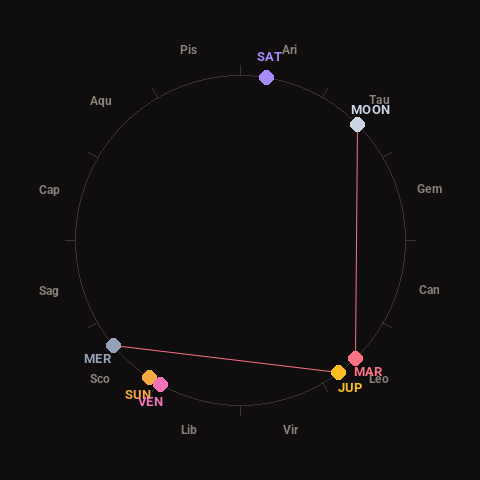
Moon: Full Moon (99% illuminated), in Taurus.
Notable planetary angles: Moon square Mars (90°), Mercury square Jupiter (87°).
Concurrent space weather: planetary Kp index 2.0; strongest recent solar flare: nothing notable.
This is a factual snapshot, not a claim of cause and effect – researchers are divided on whether lunar, planetary or solar factors influence seismic or weather activity. It’s included so readers can track the pattern for themselves over time.