
The U.S. State Department has issued a Worldwide Caution security alert, urging Americans everywhere to exercise increased vigilance. The alert was reported through the U.S. Embassy in Jerusalem on October 25, 2026, and applies to U.S. citizens traveling or living abroad, as well as those planning upcoming international trips.
A Worldwide Caution is not a prediction of a specific attack. It is a general advisory issued when global tensions rise or active conflicts increase the risk that U.S. citizens, facilities, or interests overseas could be targeted. Alerts like this are meant to encourage awareness, not to cancel travel plans or cause alarm.
What travelers might notice
If you are abroad or heading overseas, you may see increased security at airports, embassies, tourist sites, and government buildings. Some U.S. embassies or consulates in the affected region may reduce public services or limit movement for their staff. Airlines are continuing to operate, but travelers to or near the Middle East should confirm flight status directly with their carrier, as routes over or near conflict zones can be adjusted with little notice.
Anyone can be affected, but the advisory is most relevant to Americans currently overseas, those with near-term travel booked, and U.S. citizens living in or near the Middle East region connected to the Embassy Jerusalem alert.
Sensible steps right now
First, enroll in the Smart Traveler Enrollment Program (STEP) through the State Department if you haven’t already – it is free and ensures the nearest embassy can reach you with updates. Second, check the country-specific travel advisory for any destination on your itinerary before departure, since a Worldwide Caution often accompanies sharper warnings for individual countries. Third, keep a low profile in crowded public spaces, stay aware of your surroundings, and make sure family members at home know your itinerary and how to reach you.
This is a precautionary advisory, not an emergency order. Most Americans abroad will experience no disruption beyond heightened awareness and possibly tighter security screening. This alert is based on information from the U.S. State Department and U.S. Embassy Jerusalem.
Frequently Asked Questions
Should I cancel my international trip?
Not automatically. A Worldwide Caution is a general awareness advisory, not a do-not-travel order. Check the country-specific travel advisory for your destination before making any changes to your plans.
Does this mean a specific attack is expected?
No. Worldwide Cautions are issued when global tensions or active conflicts raise the overall risk environment. They are precautionary and do not indicate intelligence about a specific planned attack.
I'm already abroad – what should I do right now?
Enroll in the State Department's STEP program so the nearest embassy can contact you, stay alert in crowded public places, and follow any guidance issued by the U.S. embassy in your location.
Will flights to the Middle East be affected?
Airlines are continuing to operate, but routes near conflict zones can change quickly. Confirm your flight status directly with your carrier and allow extra time for possible added security screening.
Keep tracking this:
Source: U.S. Department of State
Related Reading
Sky & Solar Conditions at the Time
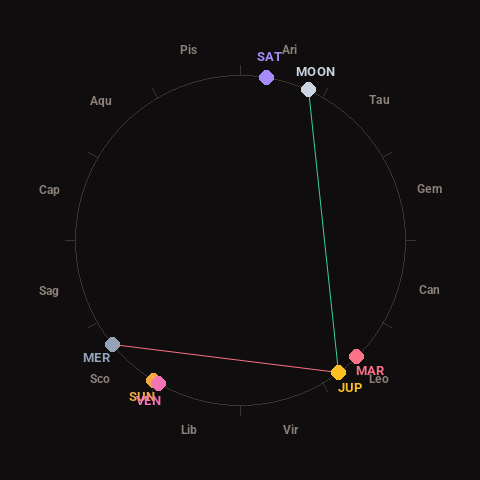
Moon: Full Moon (100% illuminated), in Aries.
Notable planetary angles: Moon trine Jupiter (119°), Sun conjunct Venus (2°), Mercury square Jupiter (87°).
Concurrent space weather: planetary Kp index 2.7; strongest recent solar flare: nothing notable.
This is a factual snapshot, not a claim of cause and effect – researchers are divided on whether lunar, planetary or solar factors influence seismic or weather activity. It’s included so readers can track the pattern for themselves over time.