
Last updated November 3, 2026 at 00:15 UTC. This page is updated in place as the situation changes, rather than published as a new article each time.
The USGS Hawaiian Volcano Observatory (HVO) has raised Kilauea volcano on Hawaii’s Big Island to a Watch alert level, with an Orange aviation color code, after precursory low-level eruptive activity began around 11:43 a.m. HST on Monday, November 2. This activity is the lead-up to episode 56 of the ongoing Halemaʻumaʻu eruption, which has been producing episodic lava fountains and flows within the summit crater at Hawaii Volcanoes National Park.
For context: Kilauea is classified by the USGS as a “Very High Threat” volcano, the highest threat category in the United States. However, the current eruption remains confined to the Halemaʻumaʻu crater area within the national park, and at this time there is no indication of activity migrating toward populated areas. The Orange aviation code signals that volcanic ash emissions are possible or occurring at low levels, which can affect aircraft routing near the island.
What Residents and Visitors Might Notice
People on the Big Island may notice increased vog (volcanic smog – a haze of sulfur dioxide gas and fine particles), especially when trade winds weaken. Vog can irritate eyes, airways, and lungs, particularly for people with asthma or other respiratory conditions. Visitors to Hawaii Volcanoes National Park should expect possible trail or overlook closures near the summit as activity ramps up. Ashfall, if any occurs, is expected to be light and limited to areas near the crater.
Practical watch-items:
1. Monitor vog conditions and limit outdoor exertion if air quality degrades, especially for children, older adults, and those with breathing issues. Keep windows closed and use air conditioning on recirculate if vog is heavy.
2. If you have travel plans to or from the Big Island, check with your airline – the Orange aviation code can occasionally lead to flight adjustments near the summit area.
3. If visiting the national park, follow all posted closures and ranger guidance; conditions at the crater can change quickly during eruptive episodes.
This information comes from the USGS Hawaiian Volcano Observatory, which monitors Kilauea around the clock and issues updates as conditions change.
Frequently Asked Questions
Is this eruption dangerous to people living on the Big Island?
At this time, the eruptive activity is confined to the Halemaʻumaʻu summit crater inside Hawaii Volcanoes National Park, away from residential areas. The main concern for most residents is vog and possible light ashfall near the summit, not lava flows.
What does Watch/Orange actually mean?
Watch is the second-highest alert level and means an eruption is underway or likely with limited hazards. Orange is the matching aviation code, warning pilots that ash emissions may be present at low levels.
Will this affect my flight to Hawaii?
Most flights are unaffected, but the Orange aviation code means ash could be present near the summit, which can occasionally cause rerouting or delays. Check with your airline before traveling.
What is episode 56?
The current Halemaʻumaʻu eruption has been occurring in a series of distinct lava-fountaining episodes rather than one continuous event. Episode 56 is the next expected round, and the low-level activity that began at 11:43 a.m. HST is the typical buildup to it.
Keep tracking this:
Source: USGS Volcano Hazards Program (HVO)


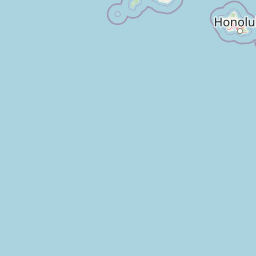
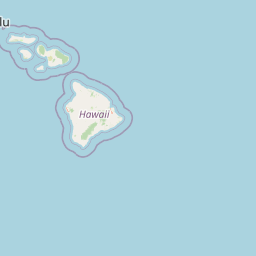



Map centered on the epicenter (19.42, -155.29). Map data © OpenStreetMap contributors.
Sky & Solar Conditions at the Time
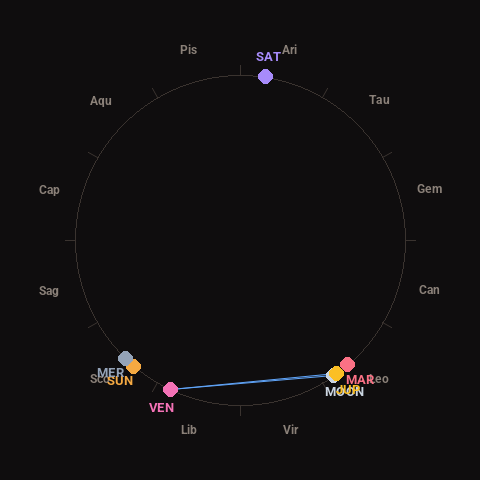
Moon: Last Quarter (37% illuminated), in Leo.
Notable planetary angles: Moon sextile Venus (60°), Venus sextile Jupiter (61°), Moon conjunct Jupiter (1°), Sun conjunct Mercury (4°).
Concurrent space weather: planetary Kp index 0.3; strongest recent solar flare: nothing notable.
This is a factual snapshot, not a claim of cause and effect – researchers are divided on whether lunar, planetary or solar factors influence seismic or weather activity. It’s included so readers can track the pattern for themselves over time.