
GOES satellites detected an M1.2-class solar flare that peaked on September 4, 2026 at 07:53 UTC. The flare’s measured X-ray flux was 1.2e-5 watts per square meter, which places it on the low end of the “M” (moderate) class — roughly equivalent to an R1 (minor) event on NOAA’s radio-blackout scale.
What that means in plain terms: the burst of X-rays from the flare reached Earth at the speed of light and briefly disturbed the upper atmosphere over the half of the planet in daylight at the time. That can cause short-lived fading or blackouts of high-frequency (shortwave) radio signals — the kind used by aviation, maritime operators, amateur radio, and some emergency services. For most people, nothing noticeable happens at all: cell phones, TV, internet, and power grids are not affected by a flare of this size.
What to watch over the next 1–3 days
The flare itself is already over. The open question is whether it also launched a coronal mass ejection (CME) — a cloud of solar material — toward Earth. If one is on the way, it would arrive in roughly one to three days and could trigger a geomagnetic storm. With a flare of this modest size, any resulting storm would most likely be weak to moderate.
Sensible watch-items: (1) If you use shortwave radio for communication, expect possible brief signal degradation on the sunlit side today. (2) Keep an eye on the Kp index — a simple 0–9 scale of geomagnetic activity — over the next few days; readings of 5 or higher indicate storm conditions. (3) Aurora watchers at high latitudes may want to check forecasts in case a CME does arrive, though a strong display is not expected from an event of this size.
There is no action most readers need to take. This is a routine, moderate event, and the Sun produces flares of this class regularly during active periods.
Data for this alert comes from NOAA’s Space Weather Prediction Center and the GOES satellite X-ray sensors.
Frequently Asked Questions
Will this solar flare knock out my power or electronics?
No. An M1.2 flare is a moderate event and cannot damage power grids, phones, or home electronics. Only the very largest solar storms — far bigger than this — pose any grid risk.
Why did my shortwave or ham radio signal fade today?
The flare's X-rays disturbed the upper atmosphere on Earth's dayside, which can briefly absorb shortwave radio signals. These R1-level blackouts typically last minutes to tens of minutes and then recover on their own.
Could a geomagnetic storm still follow this flare?
Possibly — if the flare launched a coronal mass ejection toward Earth, it would arrive in 1–3 days and could cause a weak to moderate geomagnetic storm. Watch the Kp index; this event is unlikely to produce anything severe.
Will there be auroras visible where I live?
Only if an Earth-directed CME follows, and even then auroras would most likely stay at high latitudes given the flare's modest strength. Check aurora forecasts over the next couple of days if you're in a northern region.
Keep tracking this:
Source: NOAA GOES X-ray Flux
Sky & Solar Conditions at the Time
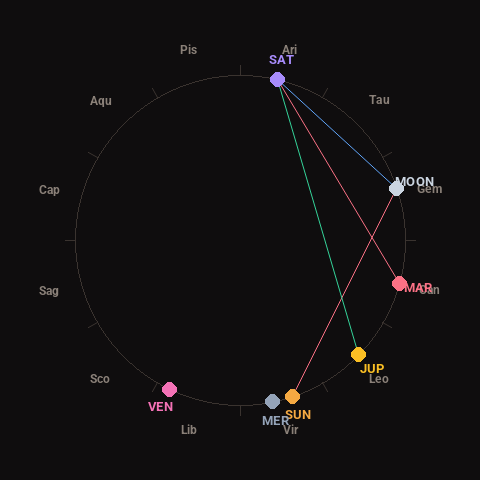
Moon: Last Quarter (50% illuminated), in Gemini.
Notable planetary angles: Sun square Moon (90°), Jupiter trine Saturn (121°), Moon sextile Saturn (59°), Mars square Saturn (92°).
Concurrent space weather: planetary Kp index 1.0; strongest recent solar flare: M1.2-class.
This is a factual snapshot, not a claim of cause and effect – researchers are divided on whether lunar, planetary or solar factors influence seismic or weather activity. It’s included so readers can track the pattern for themselves over time.