
The U.S. State Department has issued a Worldwide Caution alert, urging Americans at home and abroad to exercise increased vigilance. The advisory, reported on October 4, 2026, follows a Security Alert from the U.S. Embassy in Jerusalem and appears tied to heightened tensions in the Middle East that could affect U.S. interests globally.
A Worldwide Caution is one of the broadest advisories the State Department issues. Unlike a country-specific travel warning, it applies to Americans everywhere and signals that U.S. citizens, facilities, or interests could face elevated risk of protests, demonstrations, or security incidents in multiple regions. It does not mean travel is prohibited or that an attack is expected – it is a precautionary heads-up.
What readers might notice
Americans abroad may see an increased security presence around U.S. embassies, consulates, and other government facilities. Some embassies may reduce public services, limit hours, or temporarily restrict staff movements. Travelers in or near Israel, Jerusalem, and the wider region may encounter road closures, flight schedule changes, or sudden demonstrations. Airlines and tour operators may adjust itineraries on short notice.
Who is affected: U.S. citizens currently traveling or living overseas, especially in the Middle East; Americans with upcoming international trips; and family members of those abroad. Dual nationals and U.S. government personnel in the region should pay particular attention to embassy messages.
Practical steps worth taking:
1. Enroll in the Smart Traveler Enrollment Program (STEP) so the nearest embassy can reach you with alerts and locate you in an emergency. 2. Check the current Travel Advisory level for any country you plan to visit, and review your airline’s flexible rebooking policies in case of disruptions. 3. Keep a low profile, avoid large gatherings and demonstrations, and make sure family members have your itinerary and contact information.
This alert is based on official information from the U.S. Department of State and the U.S. Embassy in Jerusalem.
Frequently Asked Questions
Does a Worldwide Caution mean I should cancel my international trip?
Not necessarily – it is a call for increased vigilance, not a travel ban. Check the country-specific Travel Advisory for your destination, since risk levels vary widely by location.
Is this related to a specific threat in Jerusalem?
The caution was reported alongside a Security Alert from the U.S. Embassy in Jerusalem on October 4, 2026, suggesting heightened tensions in the region prompted the broader advisory.
What should Americans currently in Israel or the Middle East do?
Monitor embassy alerts closely, enroll in STEP if you haven't, avoid demonstrations and crowded areas, and keep travel documents accessible in case departure options change quickly.
Could this affect flights or embassy services?
Possibly – embassies in the region may reduce services or hours, and airlines can adjust routes during periods of regional tension, so confirm your flight status before heading to the airport.
Keep tracking this:
Source: U.S. Department of State
Related Reading
Sky & Solar Conditions at the Time
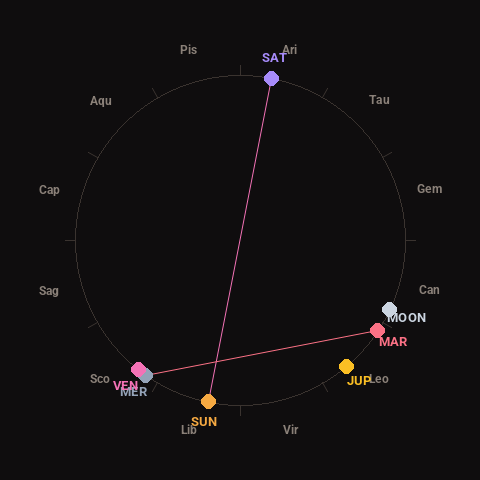
Moon: Last Quarter (38% illuminated), in Cancer.
Notable planetary angles: Sun opposite Saturn (180°), Mercury square Mars (92°), Mercury conjunct Venus (3°).
Concurrent space weather: planetary Kp index 3.7; strongest recent solar flare: nothing notable.
This is a factual snapshot, not a claim of cause and effect – researchers are divided on whether lunar, planetary or solar factors influence seismic or weather activity. It’s included so readers can track the pattern for themselves over time.